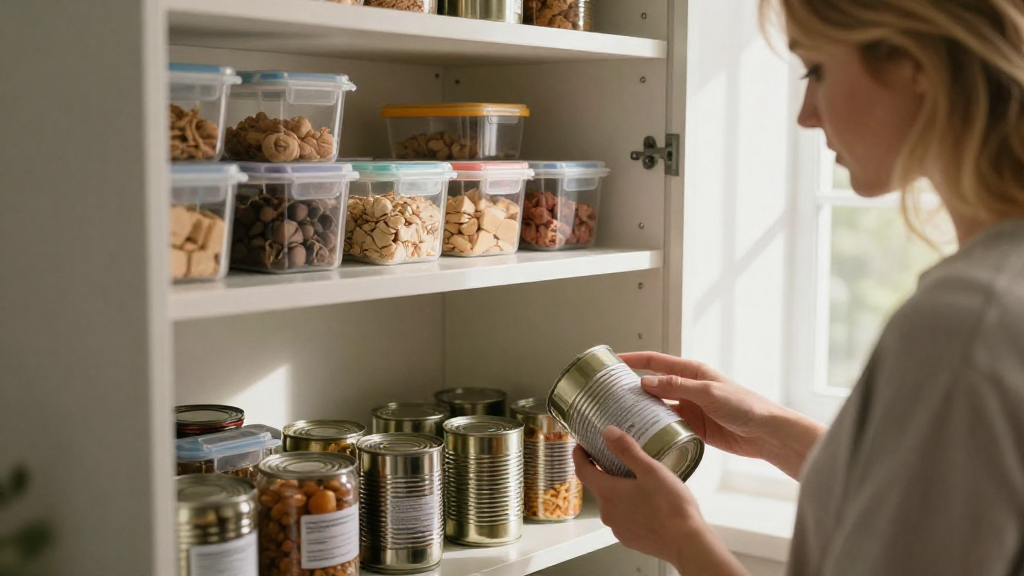
Ensuring food safety during disasters is essential to protect yourself and your family from foodborne illnesses.
What is Food Safety During Disasters?
Food safety during disasters becomes a critical concern when natural calamities or emergencies disrupt our daily lives.
During such times, it’s crucial to maintain proper food handling techniques and preservation methods.
Here’s how you can ensure food safety during disasters for you and your loved ones.
Why is Food Safety Important During a Disaster?
Food safety is vital, especially in disasters due to various factors:
-
Contamination Risks: Floods, hurricanes, and other disasters can contaminate food supplies with bacteria, viruses, and chemicals.
-
Power Outages: Extended outages can lead to spoiled food if not handled properly.
-
Stress and Confusion: During emergencies, people may neglect food safety practices, leading to unsafe consumption.
How Can You Prepare Your Food Supplies Before a Disaster?
Preparation is key when it comes to ensuring food safety during disasters. Here are some tips on how to prepare your food supplies:
-
Create an Emergency Food Kit
Stock up on non-perishable food items such as:
– Canned vegetables and fruits
– Dry grains like rice and pasta
– Protein sources such as beans, nuts, and canned meats -
Prioritize Food Safety Information
Keep manuals or guidelines handy about food safety during disasters. Understanding safe food handling and storage is crucial. -
Plan for High-Risk Foods
Identify foods such as dairy products, meats, and cooked dishes that are most at risk and consider avoiding them if you lack a reliable power source. -
Label Your Supplies
Clearly label dates on all food items. This will help you manage your inventory efficiently and avoid expired foods.
What Should You Do During a Disaster to Ensure Food Safety?
When a disaster strikes, maintaining food safety during disasters is paramount. Here are steps you can take:
-
Keep Food in a Safe Place
Store food in a cool, dry area. Avoid putting food items on the floor where they could be exposed to contaminants. -
Monitor Temperatures
If the power goes out, keep a thermometer in your fridge and freezer. Here’s what to remember:
– Refrigerator: Food is safe as long as the temperature is 40°F or below.
- Freezer: Food is safe as long as the temperature is at or below 0°F.
-
Use Block Ice or Dry Ice
Consider using block ice or dry ice if you anticipate a power outage. Block ice lasts longer than cubed ice, maintaining lower temperatures for extended periods. -
Don’t Open Your Refrigerator
Opening the fridge can raise the internal temperature. Try to limit access and only open when necessary.
What Should You Do After a Disaster?
After the immediate danger has passed, it’s vital to assess your food supplies for safety:
-
Check All Food Supplies
Discard any food that has been exposed to contaminated water or has an unusual color, odor, or texture. -
Inspect Perishable Items
If the refrigerator has been above 40°F for more than two hours, it’s best to throw away perishable food. -
Use a Food Safety Checklist
Here’s a quick checklist to follow after a disaster:
– Trash any food that smells bad or is discolored.
– Throw out items that have been kept above 40°F for more than 2 hours.
– Dispose of any foods from cans that have dents, leaks, or rust. -
Wash Your Hands and Surfaces
When handling any food supplies, wash your hands thoroughly and sanitize surfaces to avoid any cross-contamination.
What are the Signs of Foodborne Illness?
Understanding the signs of foodborne illness is crucial for maintaining food safety during disasters. Here are some symptoms to watch for:
- Nausea or Vomiting
- Diarrhea
- Stomach Cramps
- Fever
If you experience any of these symptoms after consuming food during a disaster, it is advisable to seek medical attention immediately.
How Can Community Resources Help with Food Safety?
During disasters, many communities provide additional resources for ensuring food safety during disasters.
Here’s how to tap into these resources:
-
Emergency Services and Shelters
Check with your local emergency services for food assistance programs. -
Public Health Departments
Your local health department can offer guidance on food safety and may conduct community workshops on food handling. -
Local Food Banks
Food banks often provide not just food but also valuable information on safe food storage and handling during emergencies. -
Community Education Programs
Participate in programs offered by schools or local organizations that educate on food safety practices.
Conclusion: Prioritize Food Safety During Disasters
Ensuring food safety during disasters is critical for your health and well-being.
Preparation and vigilance play significant roles in safeguarding your food supplies.
By taking the necessary steps before, during, and after a disaster, you can minimize the risks of foodborne illnesses and keep your family safe.
Stay informed, and remember that your health matters most during emergencies.