When it comes to creating visually appealing dishes and baked goods, food coloring types play a crucial role.
Understanding the various food coloring types available not only enhances the aesthetics of your culinary creations but also helps you choose the right one for your specific needs.
What Are the Major Food Coloring Types?
Food coloring can be categorized into several main types based on their origin and composition.
Here are the primary food coloring types you should be aware of:
-
Natural Food Colorings
– Derived from Nature: These colorings are sourced from plants, fruits, and vegetables.
– Common Examples:- Beet Juice: A vibrant red or pink hue.
- Turmeric: Bright yellow color.
- Spinach Powder: Green shade.
- Blueberry and Acai Extracts: Adds purples and blues.
- Benefits: Free from synthetic chemicals.
- Considerations: Typically, they have a shorter shelf life and may be less stable than artificial options.
-
Synthetic Food Colorings
– Chemically Manufactured: These are produced using artificial chemical processes.
– Common Examples:- FD&C Colors: Regulated and commonly used in the U.S.
- Allura Red: Bright red hue.
- Tartrazine: A popular yellow dye.
- Benefits: More stable and vibrant than most natural alternatives.
- Considerations: Some people may have allergies to specific synthetic dyes.
-
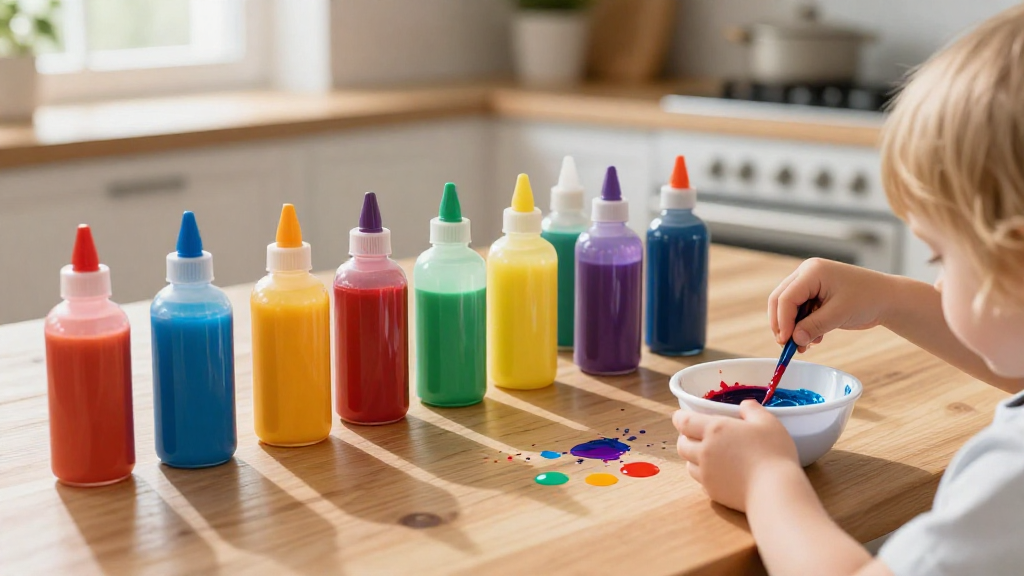
Liquid Food Colorings
– Versatile and Easy to Use: Liquid colorings are convenient for various culinary applications.
– Common Uses: Frostings, cake batters, and beverages.
– Benefits: Simple to measure and mix.
– Considerations: Can dilute the mixture if used excessively. -
Gel Food Colorings
– Thicker Consistency: Gel food colorings offer concentrated color without the additional moisture of liquids.
– Best For: Use in frosting, fondant, and candy-making.
– Benefits: Produces rich colors with minimal impact on the texture of baked goods.
– Considerations: Requires more precise measuring due to its potency. -
Powdered Food Colorings
– Highly Concentrated: Powdered dyes are perfect for dry mixes and rubs.
– Best Uses: Perfect for dry mixes, chocolates, and dry seasoning blends.
– Benefits: Highly concentrated, allowing for vibrant colors without added moisture.
– Considerations: Must be mixed well with other dry ingredients to ensure even distribution of color. -
Airbrush Food Colorings
– Specialized Techniques: Used primarily in cake decorating and professional baking.
– Benefits: Allows for smooth, gradient color application.
– Special Equipment Needed: Requires an airbrush kit for application.
– Best For: Detailed decorations on cakes and pastries.
How to Choose the Right Food Coloring Type?
With so many food coloring types available, the choice largely depends on your specific project.
Here are some factors to consider:
- Type of Recipe: For dry mixes, powdered colorings may be the best option. On the other hand, liquids or gels may be more appropriate for frosting or batter.
- Desired Color Intensity: If you’re aiming for bold colors, synthetic or gel colorings may provide the desired vibrancy.
- Health Considerations: If you prefer natural ingredients, opt for natural food colorings, but be aware of potential color stability issues.
- Storage and Shelf Life: Liquid and natural colorings might have a shorter shelf life compared to powdered or synthetic dyes.
Are There Any Health Considerations?
When exploring food coloring types, it’s essential to consider any potential health impacts.
Here are some health aspects to keep in mind:
- Allergic Reactions: Some synthetic dyes can cause allergic reactions in sensitive individuals.
- Natural vs. Artificial: While natural food colorings are generally considered safer, they might not produce the same vibrant colors or stability as synthetic options.
- FDA Regulations: The FDA regulates many food colorings, particularly synthetic dyes. Always check the label to stay informed about what’s included in your food.
What Are Some Creative Uses for Food Colorings?
Food coloring types can open new avenues in the kitchen.
Here are some innovative ways to use them:
- Crafting Themed Cakes: Use different food coloring types to create a rainbow or ombre effect on cakes.
- Colorful Pancakes: Mix colorings into pancake batter to delight kids during breakfast.
- Decorative Icing: Create beautiful decorating icings for cookies and cupcakes using gel or liquid dyes.
- Beverages: Experiment with colors for drinks, adding vibrant hues to cocktails and smoothies.
Conclusion
Understanding the different food coloring types can greatly expand your culinary creativity.
Whether you choose natural or synthetic, liquid or gel, knowing the right application and benefits of each type will help you achieve the desired results in your cooking and baking.
By making informed decisions about food coloring types, you can ensure that your creations are not only delicious but also visually stunning!
Keep experimenting and have fun with colors in your kitchen!