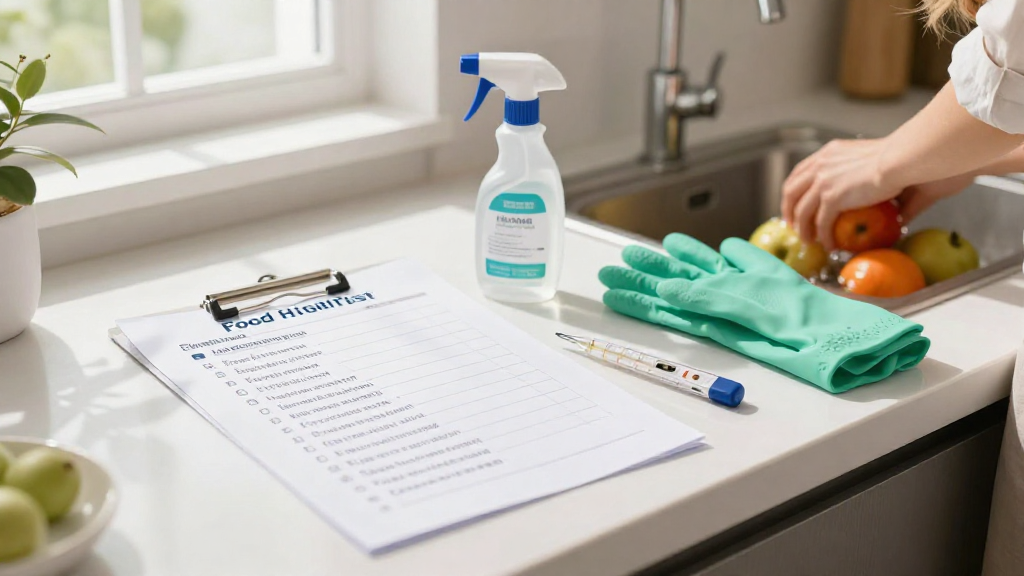
A food hygiene checklist is essential for ensuring the safety and quality of food in any establishment.
By following a comprehensive food hygiene checklist, businesses in the food sector can minimize foodborne illnesses and enhance their reputation.
What is a Food Hygiene Checklist?
A food hygiene checklist is a systematic tool used to evaluate the cleanliness and safety standards of food handling practices.
This checklist typically covers various aspects, such as:
- Personnel hygiene
- Food storage practices
- Cleaning and sanitation protocols
- Food preparation techniques
Utilizing a food hygiene checklist can aid in maintaining compliance with local health regulations and industry standards.
Why is a Food Hygiene Checklist Important?
Having a thorough food hygiene checklist is crucial for several reasons:
-
Prevention of Foodborne Illnesses:
It helps identify areas that need improvement, thus reducing the risk of food poisoning. -
Regulatory Compliance:
Utilizing a checklist ensures that all legal requirements are met. -
Improved Customer Satisfaction:
Maintaining high hygiene standards ensures safety and enhances the customer experience.
What Should be Included in a Food Hygiene Checklist?
A comprehensive food hygiene checklist should cover multiple areas. Here’s a detailed breakdown:
1. What Are the Basic Requirements for Personal Hygiene?
Personnel hygiene is the first line of defense in food safety. Key points include:
- Hand Washing:
- Staff must wash hands frequently with soap and water.
-
Ensure handwashing stations are accessible.
-
Clean Clothing:
-
Employees should wear clean uniforms and aprons.
-
Hair Restraints:
-
Use hairnets or hats to prevent hair from contaminating food.
-
Jewelry Restrictions:
- Limit the wearing of jewelry that can harbor bacteria.
2. How Should Food Be Stored Properly?
Food storage practices are vital for preventing cross-contamination and spoilage. Consider these points for your food hygiene checklist:
- Temperature Control:
- Refrigerators should be set at or below 4°C (39°F).
-
Freezers should be at or below -18°C (0°F).
-
Labeling:
-
All food items must be labeled with the date of receipt and expiry.
-
Separation of Raw and Cooked Foods:
- Store raw foods below cooked foods in the refrigerator.
3. What Cleaning Practices Should You Follow?
Cleaning and sanitation protocols are essential for maintaining a safe environment. Include these items on your food hygiene checklist:
- Daily Cleaning:
-
Clean all food contact surfaces daily.
-
Sanitization:
-
Use approved sanitizers on kitchen equipment and utensils.
-
Cleaning Schedules:
- Maintain a checklist for daily, weekly, and monthly cleaning tasks.
4. How Should Food be Prepared?
Food preparation is a critical stage where hygiene must be prioritized. A food hygiene checklist for this area should include:
- Proper Thawing:
-
Thaw food in the refrigerator, not at room temperature.
-
Cooking Temperatures:
-
Ensure that food reaches safe internal temperatures (e.g., poultry at 75°C or higher).
-
Avoiding Cross-Contamination:
- Use separate cutting boards for meat and vegetables.
5. What Are the Guidelines for Serving Food?
When it comes to serving food, the following guidelines should be followed in your food hygiene checklist:
- Serving Temperature:
- Hot foods must be kept at 60°C (140°F) or higher.
-
Cold foods should be served at 4°C (39°F) or lower.
-
Clean Serving Utensils:
-
Ensure that utensils and plates are sanitized before serving.
-
Self-Service Areas:
- Provide hand sanitizers near buffets or self-service stations.
6. How Do You Maintain Equipment Hygiene?
Equipment hygiene is also a vital part of the food hygiene checklist. Consider these points:
- Regular Maintenance:
-
Schedule regular checks and maintenance for all kitchen equipment.
-
Cleaning Protocols:
- Create specific cleaning protocols for each piece of equipment (e.g., blenders, ovens).
7. What Documentation Should Be Kept?
Documentation is an essential aspect of maintaining a solid food hygiene checklist:
- Daily Logs:
-
Keep records of food temperatures and cleaning tasks.
-
Staff Training Records:
-
Document all training sessions and employee certifications.
-
Incident Reports:
- Maintain a log of any incidents related to food safety.
How to Implement a Food Hygiene Checklist Effectively?
To implement your food hygiene checklist successfully, follow these steps:
-
Training:
Ensure all staff are trained in hygiene practices and understand the checklist. -
Regular Audits:
Conduct routine audits to check compliance with the checklist. -
Feedback Loops:
Create avenues for employees to provide feedback on the checklist and suggest improvements. -
Continuous Improvement:
Regularly update the checklist based on new regulations and best practices.
Conclusion
A food hygiene checklist is a vital tool for any food business aiming for success.
By including all essential elements, from personal hygiene to food storage, you can significantly reduce the risk of foodborne illnesses.
Regular audits and updates to the checklist will ensure continuous compliance and safety.
Prioritizing food hygiene not only protects your customers but also enhances your business’s reputation in the long run.
By adopting a well-structured food hygiene checklist, you can confidently serve your customers and ensure a safe and pleasant dining experience.