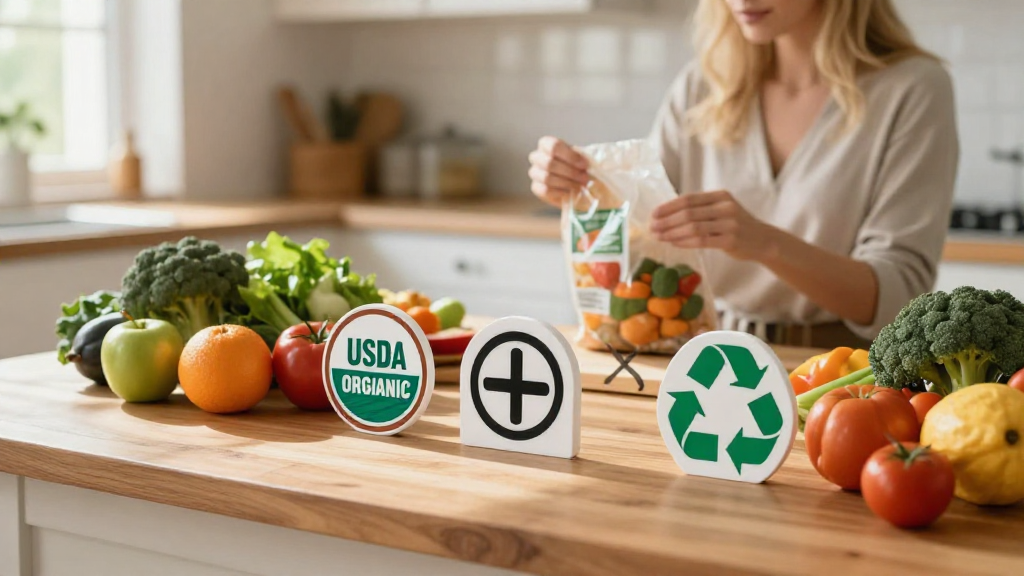
When it comes to food safety, understanding food safety symbols is essential for consumers, food handlers, and businesses alike.
These symbols provide important information about the safe handling, storage, and preparation of food. In this article, we will delve into the various food safety symbols you may encounter, their meanings, and why they are important in our daily lives.
Why Are Food Safety Symbols Important?
Food safety symbols serve several critical purposes:
-
Guidance: They guide consumers and food professionals on safe practices.
-
Awareness: Awareness of these symbols promotes health and reduces the risk of foodborne illnesses.
-
Compliance: Businesses must comply with food safety regulations, making the use of symbols essential for legal compliance.
-
Education: These symbols educate consumers on how to store, cook, and handle food safely.
Understanding the meanings behind these symbols can help you make informed choices when purchasing, cooking, or consuming food.
What Are Common Food Safety Symbols?
What Do the Most Recognizable Food Safety Symbols Look Like?
-
The Safe Handling Symbol:
This symbol typically features a hand with a fork and knife. It indicates the food has passed certain safety checks and is safe to handle. -
Chilling Warning:
Often depicted as a snowflake or ice, this symbol advises you to keep certain foods, such as meats or dairy, refrigerated below a specific temperature (usually 40°F or below). -
Cooking Safely:
Represented often by a thermometer or a cooking pot, this symbol indicates the minimum safe cooking temperature, usually over 165°F for poultry and 145°F for pork. -
Cross-Contamination Warning:
Symbolized by a slash mark through a meat and vegetable icon, this warns against mixing raw foods with cooked foods to avoid contamination.
How Do Symbols Relate to Food Expiration Dates?
Understanding Expiry Dates vs. Best Before Dates:
-
Use By Date:
This date is often associated with highly perishable items. Consuming food after this date can pose a risk. -
Best Before Date:
Indicates quality rather than safety. Foods are usually still safe to consume past this date as long as they have been stored correctly. -
Freeze by Date:
This symbol advises when to freeze certain foods to maintain their quality.
Being able to interpret these dates and the symbols associated with them can prevent food waste and protect your health.
How Are Food Safety Symbols Used in Restaurants and Cafés?
What Do These Symbols Mean in Food Service Settings?
In restaurants and food service establishments, food safety symbols are used extensively to convey crucial information such as:
-
Allergen Information:
This is often represented by an allergen icon, indicating ingredients that can cause allergic reactions. -
Temperature Control:
Many food service providers use indicators on display menus or signage to denote safe cooking and holding temperatures. -
Sanitation Practices:
The use of symbols related to handwashing, clean dishes, and food storage practices ensures that all employees adhere to hygiene standards.
When these symbols are visible, they not only inform staff members but also comfort customers, showing that food safety is a priority.
How to Interpret Food Safety Symbols at Home?
What Should You Look for on Food Packaging?
Understanding the basic food safety symbols can transition smoothly into your home kitchen. Here’s what to look for:
-
Storage Symbols:
Labels will often feature symbols indicating optimal storage conditions. For instance, a box with a snowflake may indicate freezing, while a plate may suggest a cool, dry area. -
Reheat Safely:
A microwave symbol indicates foods that can be reheated in a microwave, while it’s important to check for any specific instructions provided. -
Cooking Symbols:
Look for thermometer icons that might specify cooking temperatures for best results and safety.
Knowing what these symbols mean can help ensure that food is safely prepared and stored in your home.
What Are Global Food Safety Symbols?
How Do Food Safety Symbols Differ Worldwide?
International Symbols:
Food safety icons can vary from country to country.
For instance:
-
United States vs. European Union:
The U.S. emphasizes temperature symbols for cooking and refrigeration, while the EU often highlights allergens more prominently. -
Cultural Differences:
Certain countries might also use culturally relevant icons, offering a different approach to consumer education.
It’s crucial for those traveling or importing food to recognize these global symbols to ensure safety.
Why Is It Essential to Follow Food Safety Symbols?
How Can Ignoring These Symbols Impact Your Health?
Ignoring food safety symbols can lead to dire consequences. Some potential issues include:
-
Foodborne Illness:
Many illnesses stem from unsafe food handling. Ignoring safe handling symbols can increase the risk of pathogens like Salmonella or E. coli. -
Compromised Quality:
Not adhering to storage symbols can affect food texture, taste, and overall quality. -
Increased Waste:
Not properly understanding expiration dates may lead to unnecessary food waste, harming both your wallet and the environment.
What Steps Can You Take to Practice Food Safety?
To incorporate food safety symbols into your daily life, follow these guidelines:
-
Read Labels:
Always read labels for food safety symbols before purchasing or consuming items. -
Store Correctly:
Follow storage symbols to ensure foods remain at optimal quality and safety. -
Practice Hygiene:
Wash hands and keep kitchen surfaces clean, especially when handling raw foods. -
Cook Thoroughly:
Use food thermometers to ensure cooked items meet the recommended temperatures. -
Stay Informed:
Educate yourself and your family about food safety practices and the significance of food safety symbols.
Conclusion:
Understanding food safety symbols is not just a matter of compliance; it’s about protecting your health and that of our loved ones.
Make it a habit to check for these symbols on food packaging, particularly at restaurants and retail establishments.
By paying attention to these important icons, you can contribute to a safer food environment.
Stay vigilant, stay informed, and prioritize food safety for healthier meals!