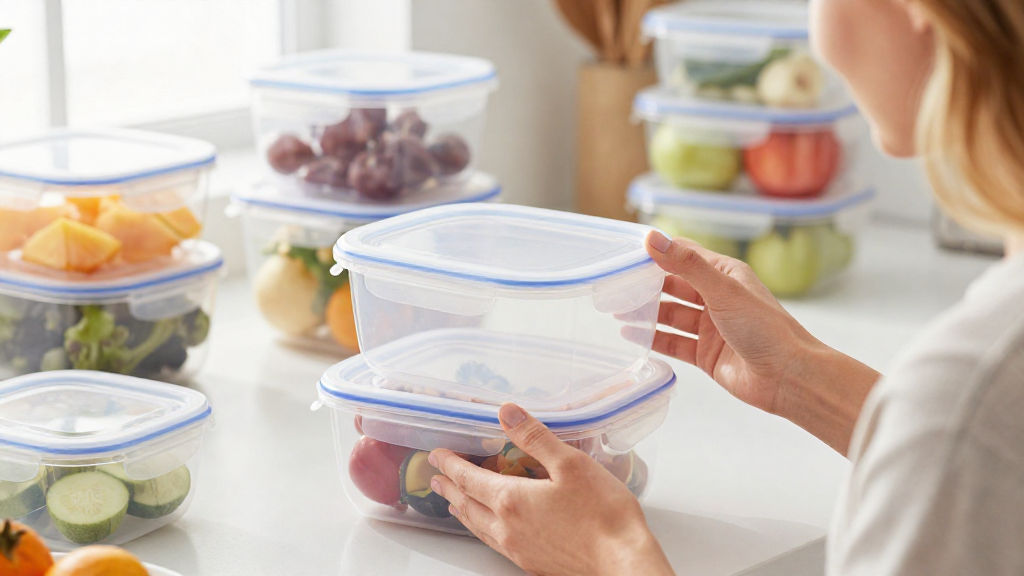
When it comes to food safety, understanding food grade plastic types is crucial.
Food grade plastics are materials that have been deemed safe for use in food packaging, storage, and preparation.
This article explores the various types of food grade plastics, their uses, and how to identify them.
What Are Food Grade Plastics?
Food grade plastics are specially designed to meet health and safety standards for food contact.
These plastics are made from materials that do not leach harmful chemicals into food or beverages.
They are subjected to rigorous testing to ensure they are safe for prolonged contact with consumables.
Common regulations associated with food grade plastics include:
- FDA (Food and Drug Administration) – In the United States
- EFSA (European Food Safety Authority) – In the European Union
These organizations ensure that food grade plastics pass safety evaluations before being approved for commercial use.
Which Plastics Are Considered Food Grade?
To determine the food grade plastic types, several specific types stand out, including:
- Polyethylene (PE)
- Low-Density Polyethylene (LDPE): Commonly used for grocery bags, plastic wraps, and containers.
-
High-Density Polyethylene (HDPE): Found in milk jugs, juice bottles, and food storage containers.
-
Polypropylene (PP):
Often used in food containers, yogurt cups, and microwaveable meal packaging, polypropylene is renowned for its durability and heat resistance. -
Polyethylene Terephthalate (PET):
Primarily used in beverage bottles and food containers, PET is popular due to its lightweight and stronger properties. -
Polystyrene (PS):
While not inherently food grade, expanded polystyrene (often found in foam take-out containers) can be food safe under certain conditions. -
Polyvinyl Chloride (PVC):
Generally not recommended for food contact, but certain types have been approved for specific applications, such as cling wraps.
How Can You Identify Food Grade Plastics?
Identifying food grade plastics is simple once you know what to look for.
Check for:
- Recycling Symbols:
Most food grade plastics are marked with specific recycling codes.
The following codes indicate food grade materials: - 1 (PET or PETE): Safe for single-use containers like water bottles.
- 2 (HDPE): Used for containers, jugs, and bottles.
-
5 (PP): Common in food containers and some utensils.
-
Labeling:
Look for labels or markings like “food safe” or “BPA-free.”
While BPA (bisphenol A) is a concern mostly related to certain types of plastics, food grade plastics typically do not contain this chemical.
What Are the Uses of Food Grade Plastics?
The applications for food grade plastic types range widely.
Here are some notable uses:
-
Packaging:
Bottles, jars, and pouches for liquid and solid foods. -
Storage:
Containers for leftovers, meal prep, and ingredients. -
Kitchen Utensils:
Mixing bowls, spatulas, and cutting boards can be made from food-safe plastics. -
Takeout Containers:
Restaurants often use food grade plastics to package meals for takeout.
Why Is It Important to Choose Food Grade Plastics?
Using food grade plastics ensures the safety of your food.
Non-food grade plastics can contain harmful chemicals that may leach into food, posing health risks such as:
- Hormonal Disruption: Certain chemicals like BPA are linked to endocrine problems.
- Toxin Exposure: Non-food grade plastics may contain additives that are not safe for consumption.
- Contamination Risk: Poor quality plastics can degrade and contaminate food over time.
By adhering to food grade plastic types, you prioritize not only your health but also the health of your family.
Are All Plastics Food Safe?
No! Not all plastics are considered food safe.
Even though plastics such as polyethylene and polypropylene are widely used, some plastic types contain chemical additives that render them unsafe for food contact.
-
Polystyrene (PS):
May release harmful components. -
Polyvinyl Chloride (PVC):
Often has phthalates, which can leach into food.
It’s vital to distinguish between different types of plastics and choose wisely based on their intended purpose.
How Do Food Products Affect Plastic Degradation?
Exposure to heat, light, and moisture can affect the integrity of food grade plastic types.
For example, microwaving food in non-microwave-safe containers can lead to warping or leaching.
To maximize safety:
- Follow Instructions: Always adhere to the guidelines on the packaging.
- Avoid Unknown Containers: Be cautious with old containers that lack safety labels.
- Regular Checks: Inspect your plastic items for signs of wear or damage.
What Happens if You Use Non-Food Grade Plastics?
Using non-food grade plastics poses several risks.
Consequences of using unsafe containers include:
- Chemical Leaching: Potentially hazardous chemicals may leach into food.
- Food Spoilage: Non-approved materials may not provide adequate preservation, leading to food spoilage.
- Health Risks: Consuming food stored in improper containers can lead to digestive issues or long-term health complications.
Conclusion
Understanding food grade plastic types is essential for anyone concerned about food safety.
By being aware of the different materials and their properties, you can make informed choices about food packaging, storage, and preparation.
When in doubt, always prioritize items that are labeled as food grade.
They not only offer peace of mind but also protect your health and well-being.
Choosing the right plastics often translates directly to healthier eating habits and improved food safety practices.
Make wise decisions about the materials you use in your kitchen to ensure a safe cooking and dining environment.