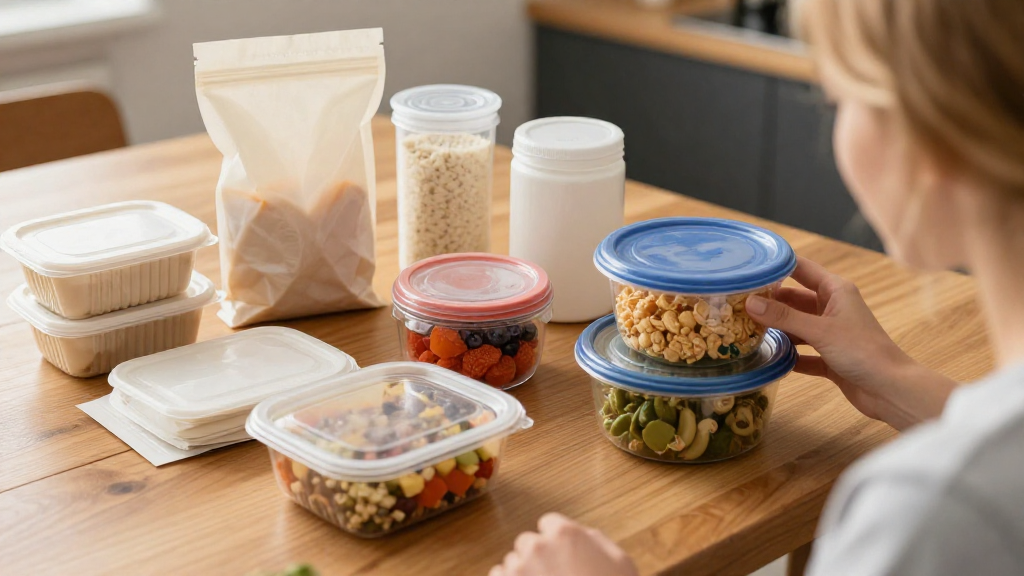
Understanding food packaging materials is essential for anyone involved in the food industry or for consumers interested in the safety and sustainability of the products they purchase.
Food packaging plays a vital role in preserving the freshness, quality, and safety of food while also promoting it visually.
In this article, we will explore the various types of materials used in food packaging and discuss their benefits and challenges.
What Are the Common Types of Food Packaging Materials?
When it comes to packaging food products, several materials are commonly used.
Here’s a breakdown of the most widely used food packaging materials:
1. Plastic
Plastic is one of the most common types of food packaging materials due to its versatility and durability.
There are various types of plastics, including:
- Polyethylene (PE): Commonly used for bags and films.
- Polypropylene (PP): Often used for containers and microwave-safe packaging.
- Polyvinyl chloride (PVC): Used for cling wraps and some disposable cutlery.
- Polystyrene (PS): Utilized for disposable cups and food containers.
Benefits:
- Lightweight and flexible
- Resistant to moisture and air
- Allows for easy branding with printing options
Challenges:
- Environmental concerns regarding recyclability
- Potential chemical leaching into food at high temperatures
2. Glass
Glass is an excellent choice for food packaging materials, especially for products requiring long shelf life and minimal interaction with the packaging.
It is commonly used for:
- Jars (jams, sauces, and pickles)
- Bottles (juices, oils, and beverages)
- Containers (for deli items)
Benefits:
- Non-reactive, maintaining the taste and quality of food
- Completely recyclable and environmentally friendly
- Provides an airtight seal to prevent contamination
Challenges:
- Heavier than plastic, leading to higher transportation costs
- Fragile and can break easily during handling
3. Metal
Metal packaging is often used for food products that require long-term preservation.
Common forms of metal packaging include:
- Cans (for soups, vegetables, and beverages)
- Foil (for wraps and pouches)
Benefits:
- Highly durable and protects food from light and air
- Long shelf life due to airtight sealing
- Recyclable, contributing to sustainable practices
Challenges:
- Heavier than plastic, which can affect shipping costs
- Not suitable for all food types, particularly acidic foods that can corrode the metal
4. Paper and Cardboard
Paper and cardboard are popular food packaging materials, particularly for dry goods and takeaway products.
These materials are often used for:
- Boxes (cereals, snacks, and frozen foods)
- Bags (bakeries and fast food)
- Paper wraps (sandwiches and burgers)
Benefits:
- Biodegradable and often recyclable, offering an eco-friendly option
- Lightweight and generally cost-effective
- Can be printed on easily for branding
Challenges:
- Not suitable for wet or oily foods
- Can absorb moisture, compromising food quality
5. Biodegradable and Compostable Materials
As concerns about the environment grow, biodegradable and compostable materials are emerging as a viable alternative to traditional packaging. These materials can include:
- PLA (Polylactic Acid) derived from corn starch
- Paper materials treated to biodegrade more effectively
Benefits:
- Reduced environmental impact
- Often made from renewable resources
- Can decompose naturally in the right conditions
Challenges:
- May not have the same shelf life as conventional materials
- Can be more expensive to produce
Why Are Food Packaging Materials Important?
The choice of food packaging materials is critical for several reasons:
1. Food Safety
Proper packaging helps to ensure food is safe for consumption by protecting it from:
- Contamination from bacteria and pests
- Spoilage due to exposure to air or moisture
2. Shelf Life Extension
Choosing the right packaging materials can extend a product’s shelf life. For example, vacuum-sealed packages can keep food fresh longer than those wrapped in ordinary film.
3. Environmental Impact
With the increasing amount of waste generated by food packaging, the material used can significantly impact the environment.
Consumers are now more conscious about eco-friendliness, pushing brands to adopt sustainable practices in their packaging choices.
4. Consumer Convenience
Convenience is vital in modern lifestyles, and food packaging materials that offer ease of use, resealability, and portability resonate well with consumers.
Think of packaging designed for on-the-go consumption or easy storage in the fridge.
How Are Food Packaging Materials Regulated?
Food packaging materials must adhere to strict regulations to ensure safety.
In the United States, the FDA (Food and Drug Administration) oversees the approval of materials that come into contact with food.
Similar organizations exist in other countries to enforce these regulations, ensuring that packaging materials are safe and will not leach harmful substances into the food.
What Innovations Are Happening in Food Packaging?
Innovation is at the forefront of food packaging materials, with a focus on sustainability, safety, and functionality. Some trends include:
- Smart Packaging: Using sensors to track freshness and monitor temperature.
- Edible Packaging: Developing materials that can be consumed along with the food item, thus reducing waste.
- Plant-Based Materials: Advanced developments in creating packaging from agricultural by-products.
Conclusion
In summary, the world of food packaging materials is vast and varied.
From the traditional options of plastic, glass, and metal to the emerging trends of biodegradable materials, each type has its own advantages and disadvantages.
Understanding these materials is essential for making informed choices about food safety, sustainability, and convenience.
As consumers and manufacturers alike increasingly prioritize eco-friendly practices, the future of food packaging materials holds promise for a balance between functionality and sustainability.
Stay aware of these trends to ensure you’re making the best choices for both you and the planet.