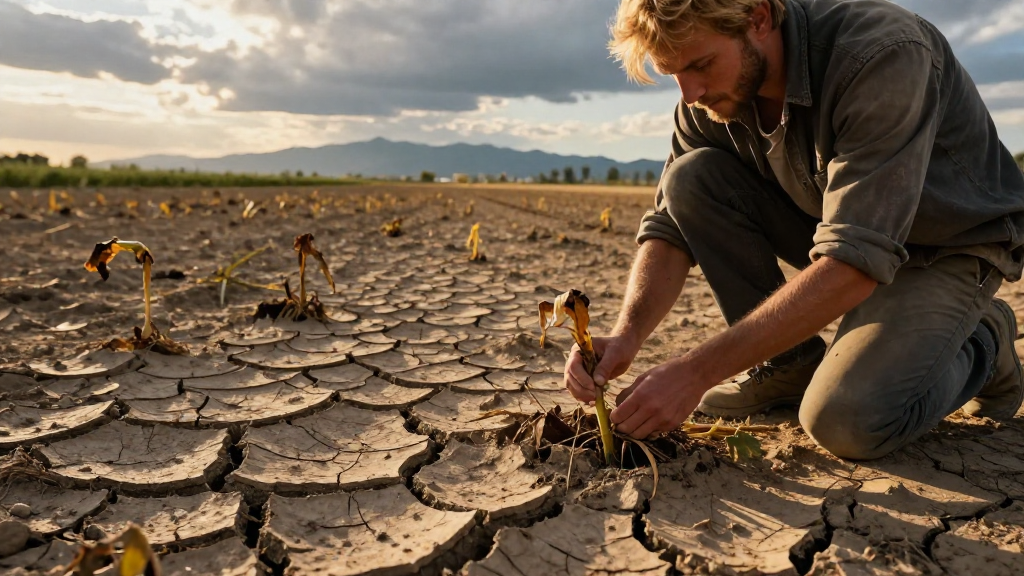
Food shortages are a pressing issue affecting millions worldwide.
Understanding the food shortages causes can help us mitigate their effects and develop sustainable solutions.
What Are the Major Food Shortages Causes?
Several factors contribute to food shortages, and recognizing them can help address future challenges.
Here are the key food shortages causes:
-
Climate Change
Climate change significantly impacts agricultural output through unpredictable weather patterns, droughts, and floods.
Extreme weather events can devastate crops, leading to reduced supply and rising prices. -
Conflict and Political Instability
Wars and political unrest often disrupt agricultural production and distribution networks.
Regions affected by conflict may have restricted access to markets, leading to food scarcity. -
Economic Factors
Economic downturns can lead to increased unemployment and reduced purchasing power.
Low-income individuals and families are disproportionately affected, exacerbating food shortages. -
Supply Chain Disruptions
The global supply chain is vulnerable to various interruptions, such as pandemics, transport issues, and trade disputes.
Each disruption can lead to delayed deliveries and a reduced flow of food products to consumers. -
Population Growth
As the global population continues to rise, the demand for food increases exponentially.
This strain on agricultural systems can lead to imbalances and ultimately result in food shortages. -
Resource Depletion
Overexploitation of natural resources, including soil degradation and water scarcity, can diminish agricultural productivity.
Unsustainable farming practices can lead to long-term food shortages.
How Does Climate Change Contribute to Food Shortages?
Climate change affects agriculture in numerous direct and indirect ways.
Here are some critical impacts:
-
Increased Severity of Weather Events
Unpredictable weather patterns lead to unpredictable harvests, which can threaten food security.
Severe storms and prolonged droughts can destroy crops and erode soils. -
Changing Agricultural Zones
As temperatures rise, the suitability of certain regions for farming may shift.
This change puts pressure on farmers to adapt their practices or move their operations, which can take time. -
Pest and Disease Outbreaks
Warmer temperatures can result in more pest infestations and crop diseases.
This increase can further harm yields, driving up prices and resulting in food shortages.
How Do Conflicts Lead to Food Shortages?
Conflicts disrupt food systems on both local and global scales.
Here’s how conflict influences food shortages:
-
Disruption of Farming Activities
Farmers may be unable to plant or harvest crops due to violence or insecurity, leading to reduced yields.
Additionally, displaced populations often lose access to their land, compounding food shortages. -
Restriction of Movement
Roads, markets, and transport routes may be blocked or dangerous, preventing food from reaching those in need.
This restriction can create local surpluses in some areas while others suffer from shortages. -
Increased Food Price Volatility
Conflicts can instability markets, leading to price fluctuations.
When food prices rise uncontrollably, low-income communities bear the brunt, exacerbating hunger and malnutrition.
What Role Do Economic Factors Play in Food Shortages?
Economic instability can significantly impact food availability and accessibility.
Several economic factors contributing to food shortages include:
-
Inflation
Rising inflation often reduces purchasing power and increases the cost of essential goods, including food.
When prices outstrip wages, families face tough choices between basic needs. -
Loss of Employment
Economic downturns can lead to job losses, leaving families without income to afford nutritious food.
This loss may result in a higher reliance on food banks and charitable organizations. -
Market Access
In some regions, poorly constructed infrastructure limits market access, making it difficult for farmers to sell their products.
Limited access can lead to surpluses in one area while creating shortages in others.
How Do Supply Chain Disruptions Impact Food Availability?
The food supply chain is complex and varies on a global scale.
Any interruption can have cascading effects.
Key contributors to disruptions include:
-
Natural Disasters
Events like hurricanes, earthquakes, and floods can severely damage transportation networks and storage facilities.
Such damage can delay food distribution and, consequently, availability. -
Pandemics
Health crises can impede transportation, logistics, and labor availability.
The COVID-19 pandemic highlighted vulnerabilities in global food systems, resulting in shortages in some areas. -
Trade Policy Changes
Tariffs, embargoes, and trade agreements can alter the flow of agricultural products between countries.
When countries enact protectionist measures, it can lead to shortfalls in essential food items.
How Does Population Growth Affect Food Shortages?
As the world population continues to grow, the demand for food increases correspondingly.
Here’s how population dynamics influence food availability:
-
Increased Demand
A larger population requires more food production, straining existing agricultural systems.
If supply cannot keep pace with demand, food shortages are inevitable. -
Urbanization Trends
As people migrate to urban areas, rural farming can decline, leading to fewer food producers.
Urban populations may face food accessibility challenges due to increased distance from agricultural sources. -
Changes in Dietary Needs
With growing populations, there’s also a shift in dietary preferences, including increased demand for protein and dairy.
Meeting these needs while countering food shortages requires innovation and adaptation in farming methods.
How Does Resource Depletion Contribute to Food Shortages?
The depletion of natural resources poses a long-term threat to global food security.
Here’s how it can contribute to food shortages:
-
Soil Degradation
Unsustainable farming practices can erode soil quality, reducing productivity and lead to food shortages.
Healthy soil is essential for growing nutritious crops, and its degradation has long-lasting consequences. -
Water Scarcity
Agriculture relies heavily on freshwater resources; without sustainable management, water shortages can ensue.
Diminished water supply affects crop irrigation and livestock viability, directly compromising food availability. -
Biodiversity Loss
The decline in agricultural biodiversity can make food systems less resilient to pests, diseases, and climate change.
A lack of variety can lead to monoculture farming, which increases vulnerability and can prompt food shortages.
Conclusion: What Can We Do About Food Shortages?
Addressing the food shortages causes requires collective action and innovative solutions.
-
Encourage Sustainable Practices
Adopting sustainable farming methods can help maintain agricultural productivity and food security.
Techniques such as crop rotation, organic farming, and agroforestry can restore balance in food systems. -
Invest in Technology
Supporting agricultural research and technology can lead to more resilient food production systems.
Innovations such as drought-resistant crops and efficient irrigation can mitigate supply challenges. -
Strengthening Local Economies
Empowering local farmers through fair trade practices and market access can contribute to food self-sufficiency.
Ensuring that communities can access what they produce is essential in combatting food shortages.
In conclusion, understanding the multifaceted food shortages causes can empower individuals, organizations, and governments to take actionable steps towards solutions.
By addressing the root issues that lead to food shortages, we can develop a more food-secure future for all.