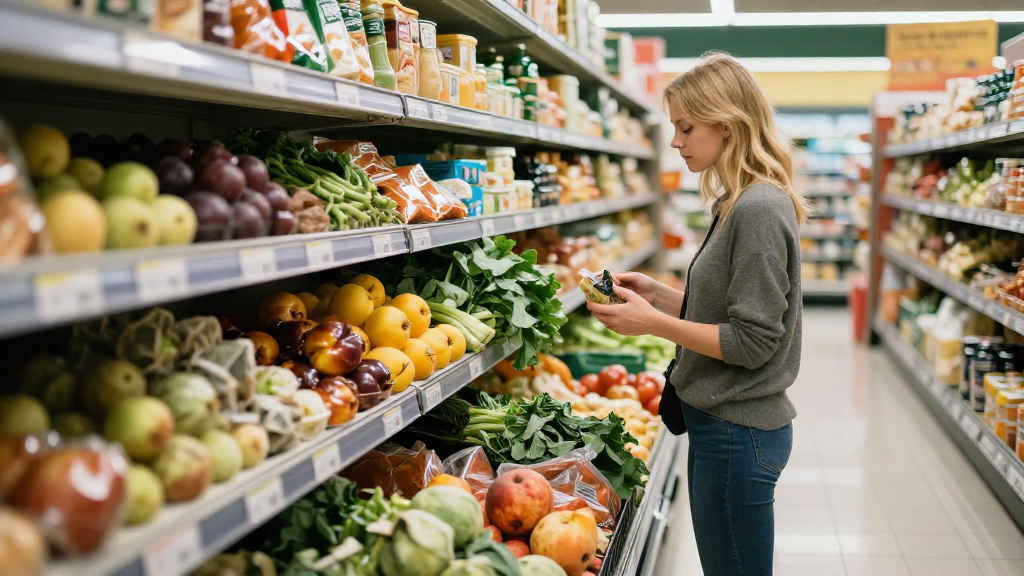
Food waste at supermarkets is a significant issue that affects our environment, economy, and food security. In this article, we will explore the reasons behind the staggering amount of food waste at supermarkets and discuss possible solutions to this growing problem.
What Are the Key Causes of Food Waste at Supermarkets?
Food waste at supermarkets is often the result of multiple factors, including:
-
Overstocking: Supermarkets tend to over-order products to ensure they have enough stock to meet customer demand. This often leads to perishable goods spoiling before they can be sold.
-
Aesthetic Standards: Consumers have come to expect a certain appearance from their food. Supermarkets often reject perfectly edible items that appear imperfect, leading to mass disposal of visually unappealing produce.
-
Expiration Dates: Many foods have “sell by” or “best before” dates that may cause supermarkets to discard products that are still safe to eat. This contributes significantly to food waste at supermarkets.
-
Seasonal Variability: Some foods are seasonal, and supermarkets may not adjust their stock accordingly. This results in excess inventory that often goes to waste.
-
Consumer Behavior: Customers tend to buy more than they need, leading to increased leftovers that may ultimately be discarded. This behavior is amplified during promotions and discounts.
How Does Food Waste at Supermarkets Affect the Environment?
The effects of food waste at supermarkets extend beyond just lost products. Some of the environmental impacts include:
-
Greenhouse Gas Emissions: Decomposing food waste in landfills produces methane, a potent greenhouse gas that contributes to climate change.
-
Resource Misuse: The resources needed to produce food—such as water, land, and labor—are wasted when food is thrown away. For example, it takes approximately 1,800 gallons of water to produce one pound of beef.
-
Biodiversity Loss: Intensive farming practices to produce excess food can lead to habitat loss and decreased biodiversity. Reducing food waste can contribute to more sustainable agricultural practices.
What Are Supermarkets Doing to Reduce Food Waste?
In response to the growing concerns over food waste at supermarkets, many retailers are implementing strategies to minimize waste. Here are some of the initiatives being adopted:
-
Dynamic Pricing: Supermarkets have started using dynamic pricing strategies, where they reduce prices on items nearing their expiration date, making it more attractive for consumers to purchase these products.
-
Donation Programs: Many supermarkets partner with local food banks and charities to donate surplus food. This helps feed those in need while also reducing waste.
-
Education Campaigns: Supermarkets are increasingly educating consumers about proper food storage and usage, helping them to make informed choices that can minimize waste at home.
-
Improved Inventory Management: With advancements in technology, supermarkets can better track inventory levels, allowing them to stock only what is necessary and reduce over-ordering.
Can Consumers Help to Decrease Food Waste at Supermarkets?
Absolutely! Consumers play a crucial role in reducing food waste at supermarkets. Here are some actions you can take:
-
Plan Your Purchases: Make a shopping list before you go to the store and stick to it. This will help you avoid impulse buys that could lead to wasted food at home.
-
Choose Imperfect Produce: Opt for fruits and vegetables that may not look perfect. By choosing these items, you are helping to reduce the stigma around “ugly” produce, which contributes to food waste.
-
Understand Labels: Familiarize yourself with food labeling terms such as “best by,” “use by,” and “sell by.” Many products are still edible beyond these dates, and understanding this can help you avoid unnecessary waste.
-
Educate Others: Share your knowledge about food waste with friends and family, and encourage them to adopt waste-reducing habits too.
What Role Does Technology Play in Reducing Food Waste at Supermarkets?
Technology is becoming an increasingly important player in the fight against food waste at supermarkets. Here are a few innovative solutions:
-
Apps for Surplus Food: Some supermarkets have developed apps that notify customers of surplus food items at reduced prices. This not only helps redistribute food efficiently but also saves consumers money.
-
Smart Inventory Systems: AI-driven inventory management systems can predict demand more accurately, allowing supermarkets to stock only what they are likely to sell.
-
Blockchain for Transparency: Blockchain technology can enhance transparency in the food supply chain. By tracking the journey of food from farm to supermarket, it can help identify inefficiencies that lead to waste.
What Can Policy Makers Do to Tackle Food Waste at Supermarkets?
Government policies can also play a vital role in combating food waste at supermarkets. Some recommendations include:
-
Incentives for Donations: Offering tax incentives to supermarkets that donate excess food can encourage more retailers to participate in food donation programs.
-
Standardized Labeling: Creating standardized food labeling guidelines can help consumers understand food safety and reduce confusion about expiration dates, which contributes to food waste.
-
Public Awareness Campaigns: Governments can launch campaigns that genuinely educate the public about the importance of reducing food waste, not just at supermarkets but across all sectors.
Conclusion: A Collective Responsibility to Reduce Food Waste at Supermarkets
In conclusion, food waste at supermarkets is a complex issue that requires cooperation from various stakeholders, including retailers, consumers, and policymakers. By understanding the causes and effects of food waste, and by implementing strategies to combat it, we can collectively work towards a sustainable food system.
Reducing food waste at supermarkets can lead to significant environmental benefits, economic savings, and improved food security. It’s essential for everyone to play their part in minimizing waste, ensuring that we are all doing our duty for the planet and future generations.
Together, we can tackle the issue of food waste and promote a more sustainable future!