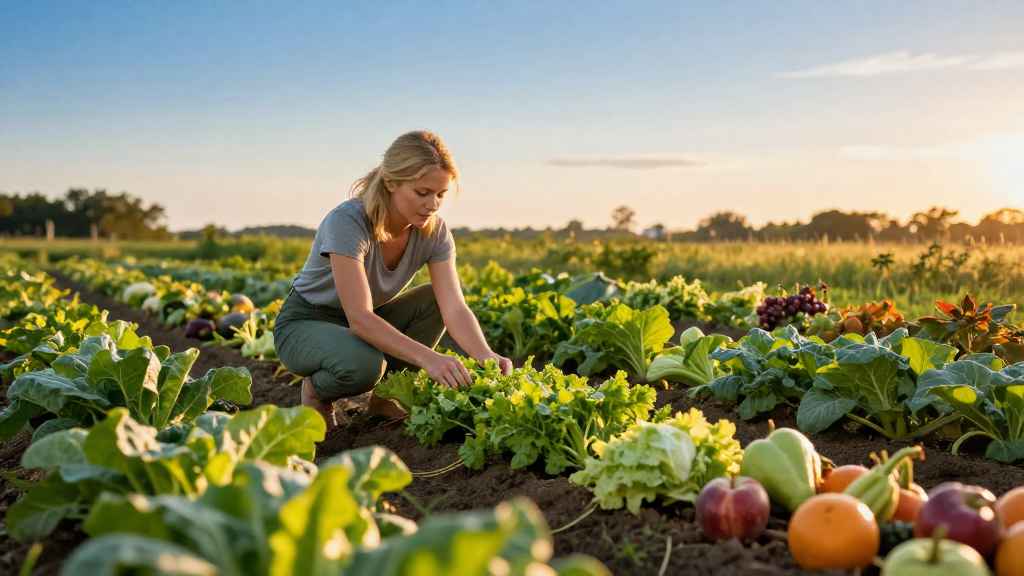
Food sustainability and ethics are essential concepts that shape how we produce, distribute, and consume food.
Understanding the connection between these two pillars is critical for anyone concerned about the future of our planet and the welfare of living beings.
What Is Food Sustainability and Ethics?
Food sustainability refers to the ability to produce food in a way that meets the needs of the present without compromising the ability of future generations to meet their own needs.
It involves practices that protect the environment, utilize resources responsibly, and promote social equity.
On the other hand, food ethics encompasses the moral considerations surrounding food choices, including issues like animal welfare, human rights, and the ecological impact of food systems.
When we consider food sustainability and ethics, we start to see that they are intertwined. Sustainable food practices often reflect ethical principles aimed at promoting well-being for both people and the planet.
Why Is Food Sustainability Important?
Understanding the importance of food sustainability is crucial in today’s rapidly changing environment. It addresses several key issues, such as:
- Climate Change: Unsustainable agricultural practices contribute significantly to greenhouse gas emissions.
- Resource Depletion: Over-farming and wasteful consumption strain our natural resources, including water and soil.
- Biodiversity Loss: Intensive farming methods often lead to a decline in biodiversity, as natural habitats are destroyed.
- Food Security: Sustainable practices can help ensure that food systems remain resilient in the face of environmental changes.
By prioritizing food sustainability, we can create systems that not only nourish us but also preserve the planet for future generations.
How Do Ethics Play a Role in Food Sustainability?
Food sustainability and ethics are deeply interconnected because ethical considerations guide sustainable practices.
There are several ways in which ethics influence our understanding of sustainable food systems:
- Animal Welfare: Ethical concerns regarding animal treatment lead to more humane farming practices, such as pasture-raised livestock and better living conditions.
- Fair Labor Practices: Ethical consumption includes ensuring that farmworkers are treated justly and compensated fairly, promoting equity in the food supply chain.
- Local Economies: Supporting local farms through sustainable practices promotes community cohesion and helps sustain livelihoods, aligning economic ethics with sustainability.
- Environmental Stewardship: Ethically motivated individuals are more likely to advocate for practices that protect ecosystems and promote biodiversity, which aligns with sustainability goals.
By addressing ethical concerns, we can move toward a more sustainable food system that acknowledges the value of all living beings.
What Are Some Examples of Sustainable and Ethical Practices?
When examining food sustainability and ethics, several practices exemplify the connection between these two concepts. Here are some noteworthy examples:
-
Organic Farming: Focuses on environmentally friendly practices and avoids synthetic pesticides and fertilizers, benefiting both the land and consumer health.
-
Plant-Based Diets: Reducing meat consumption can lessen environmental impact and address ethical concerns around animal suffering.
-
Regenerative Agriculture: Aims to restore soil health and biodiversity while sequestering carbon, aligning with both sustainability and ethical farming practices.
-
Ethical Sourcing: Companies committed to ethics often source ingredients from suppliers that prioritize fair labor practices and environmentally sustainable methods.
-
Community Supported Agriculture (CSA): Connects consumers directly with local farms, promoting local economies and ensuring fresh produce while fostering ethical relationships.
These practices highlight how choices aligned with ethics can contribute significantly to food sustainability.
How Can Individuals Contribute to Food Sustainability and Ethics?
Each of us can actively participate in promoting food sustainability and ethics through our daily choices. Consider adopting some of these strategies:
-
Educate Yourself: Stay informed about issues related to food sustainability and ethics.
-
Choose Local: Support local farms by purchasing from farmers’ markets or joining a CSA.
-
Eat Seasonal: Consuming seasonal produce helps reduce environmental impact and supports local agriculture.
-
Reduce Waste: Planning meals and using leftovers helps minimize food waste, which has substantial environmental consequences.
-
Advocate for Change: Support policies that promote sustainable agricultural practices and ethical guidelines in food production.
By making conscious choices and advocating for sustainable practices, we can collectively foster a more sustainable and ethically sound food system.
What Role Do Businesses Play in Food Sustainability and Ethics?
Businesses have a critical role in promoting food sustainability and ethics through the decisions they make in their operations. Here’s how:
-
Transparency: Companies can adopt transparency in their sourcing and production methods, allowing consumers to make informed choices.
-
Sustainability Goals: By setting and achieving sustainability goals, businesses can reduce their environmental impact while demonstrating commitment to ethical practices.
-
Collaborations: Working with NGOs and other organizations can create initiatives that educate consumers and promote sustainable practices on a larger scale.
-
Innovation: Investing in research and innovation can lead to new, sustainable methods of food production that meet ethical standards.
By embracing their responsibilities, businesses can significantly influence the trajectory of food sustainability and ethics.
In Conclusion, How Are Food Sustainability and Ethics Connected?
Food sustainability and ethics are not just trends; they represent a fundamental shift in how we think about food.
Both concepts emphasize the importance of responsibility—toward the environment, animals, and each other.
As consumers, businesses, and communities come together to embrace these values, we can create a future where food systems are equitable, resilient, and kind to the planet.
By understanding how food sustainability and ethics are intertwined, we can make choices that align with our values and advocate for changes that will benefit future generations.
In our pursuit of a more sustainable world, let us remember that the connection between food sustainability and ethics is a guiding principle that can help us navigate our choices and actions.
Ultimately, the decisions we make today about food can shape a better tomorrow for ourselves, our communities, and the environment.