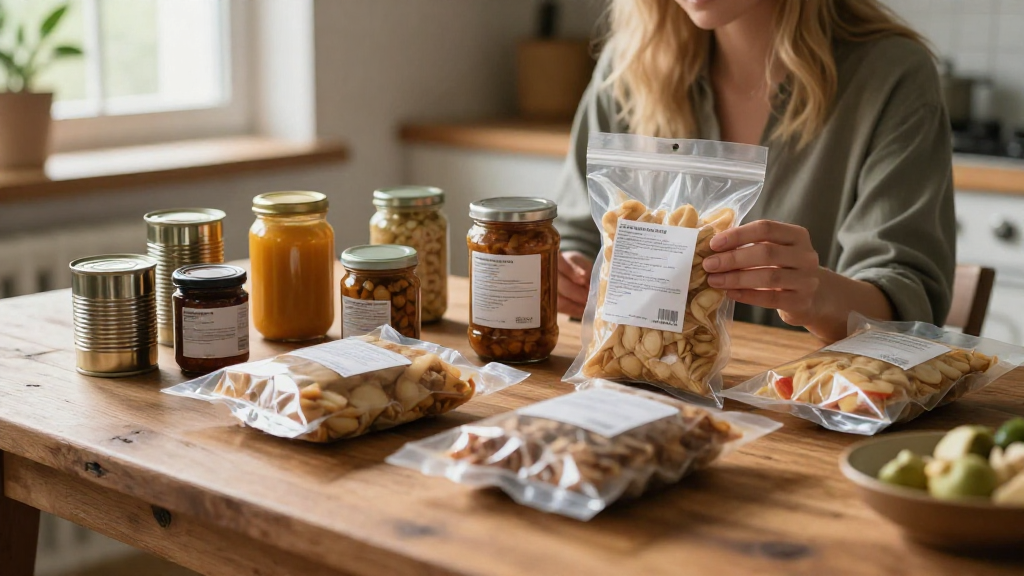
Determining food shelf life is essential for maintaining food safety and minimizing waste.
In this food shelf life guide, we delve into various aspects of food shelf life, including factors that influence it, how to read expiration dates, and best practices for storing food to maximize its longevity.
What Factors Influence Food Shelf Life?
Understanding the different factors that influence food shelf life is crucial for effective food management:
- Type of Food:
- Perishable foods, like dairy and meats, generally have a shorter shelf life.
-
Non-perishable foods, such as canned goods and dry grains, can last for several years.
-
Storage Conditions:
- Temperature: Most foods should be stored in a cool, dry place. Higher temperatures can reduce shelf life significantly.
- Humidity: Excess moisture can lead to spoilage or mold growth.
-
Light: Exposure to sunlight can adversely affect food quality, especially oils and packaged goods.
-
Packaging:
- Airtight packaging can help protect food from moisture and air, extending shelf life.
-
Vacuum-sealed products last longer than those packaged with regular airflow.
-
Preservatives:
- Natural Preservatives: Ingredients like salt, sugar, and vinegar can prolong shelf life.
-
Chemical Preservatives: Added substances can also enhance longevity but may concern some consumers.
-
Microbial Activity:
- Bacteria, yeasts, and molds can grow on food if not stored properly, leading to spoilage.
How Do You Read Food Labels?
Understanding food labels is a key aspect of the food shelf life guide. Here is how you can decode different terms commonly found on food packaging:
- Expiration Date:
-
Indicates the last day a food product is guaranteed to be at peak quality. After this date, the quality may decline, but it might still be safe to consume.
-
Best By/Best Before Date:
-
Represents when the product is expected to be at its best quality. This does not necessarily mean it is unsafe after this date, but it may not have the same taste or texture.
-
Use By Date:
-
The date set by the manufacturer indicating when the product should be consumed for safety reasons. This is often applicable for perishable items.
-
Sell By Date:
- Indicates the last day the store can sell the product, not the expiration date. Foods can still be safe to eat after this date if stored correctly.
How Should You Store Food to Maximize Shelf Life?
Proper storage methods play a vital role in extending food shelf life. Here are some effective tips for maximizing longevity:
- Refrigerate Properly:
- Keep your refrigerator temperature below 40°F (4°C) to slow bacterial growth.
-
Store raw meats on the bottom shelf to prevent cross-contamination with other foods.
-
Freeze When Necessary:
- Freezing is an effective way to extend shelf life. Most foods can last for months in the freezer.
-
Ensure items are in freezer-safe containers and properly labeled with the date.
-
Use Airtight Containers:
- For products like grains, cereals, and baking goods, using airtight containers can help prevent spoilage.
-
For liquids, sealed containers are essential for preventing spills and contamination.
-
Keep Dry and Cool:
- Store pantry items like canned goods and pasta in a cool, dry environment.
- Avoid areas near the stove or dishwasher where heat and moisture may accumulate.
What Are Common Myths About Food Shelf Life?
There are many misconceptions around food shelf life. Here are a few common ones debunked:
- “If it looks fine, it’s safe to eat.”
-
Looks can be deceiving. Bacteria may not always be visible, especially in items like meat and dairy.
-
“Expired food is always bad.”
-
Many products are still safe to consume after their expiration date—provided they have been stored correctly.
-
“I can eat food that smells fine.”
-
Odor can be a sign of spoilage, but not always. Always check for other signs, such as a change in color or texture.
-
“Canned goods last forever.”
- While canned goods have an extended shelf life, they may degrade in quality over time. Most should be used within 1-2 years.
How Can You Extend Food Shelf Life at Home?
Implementing these practical tips can help extend the shelf life of your food:
- Plan Your Meals:
-
A well-planned shopping list can reduce impulse purchases of perishable items, helping you manage your food stocks better.
-
Embrace FIFO (First In, First Out):
-
Arrange your pantry to use the oldest items first. Place new items at the back so that you consume them in order.
-
Label Everything:
-
When storing frozen food or repackaging items, label them with dates to keep track of shelf life.
-
Incorporate Fermentation:
- Consider fermenting vegetables, which can extend their shelf life while offering probiotics beneficial for gut health.
What Are the Benefits of Knowing Food Shelf Life?
Understanding food shelf life comes with numerous advantages:
- Improved Food Safety:
-
Reduces the risk of foodborne illnesses by encouraging the consumption of safe, quality food.
-
Cost-Efficiency:
-
By minimizing food waste, you save money on groceries and contribute to a more sustainable environment.
-
Better Meal Planning:
-
Knowing when food products expire helps with meal planning and reduces last-minute trips to the grocery store.
-
Healthy Eating:
- Fresh and safe food consumption is vital for maintaining health—unlike old, expired items that lose nutritional value.
Conclusion: How Do You Determine Food Shelf Life?
In summary, determining food shelf life is no small task.
This food shelf life guide has provided you with essential information on factors influencing shelf life, how to read food labels, and methods for proper food storage.
By following these practices, you can ensure that your food remains safe and enjoyable for as long as possible, contributing to not only your health but also to a sustainable lifestyle.