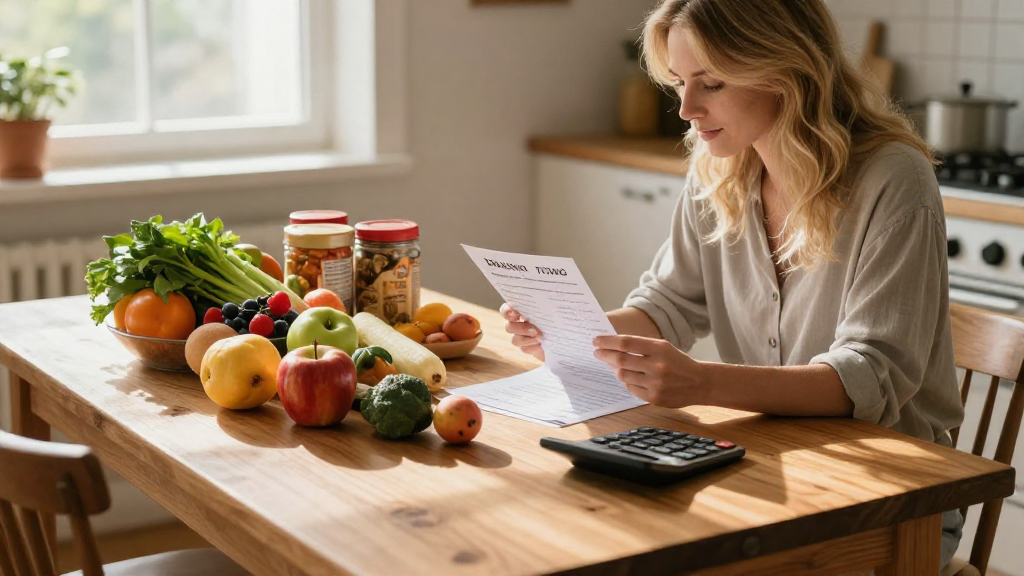
Food budgeting tips can transform the way you shop and eat, helping you save money while enjoying nutritious meals.
In this article, we will explore essential strategies for effective food budgeting and provide practical advice to reinforce your efforts.
What Are the Best Food Budgeting Tips?
Food budgeting does not have to be daunting.
Here are some actionable food budgeting tips that can make a significant difference:
1. Set a Monthly Food Budget
Understanding how much you can spend each month is crucial.
- Analyze Your Income: Start by evaluating your total monthly income.
- Review Past Expenses: Look at past food receipts or bank statements to get a sense of your previous spending.
- Set a Limit: Choose a realistic budget that accommodates both your income and your necessary expenses.
2. Plan Your Meals in Advance
Meal planning not only saves money but also time.
- Create a Weekly Menu: Spend a little time each week outlining what you plan to eat.
- Make a Grocery List: Stick to this list to avoid impulse purchases.
- Batch Cooking: Prepare larger quantities of food to save effort and reduce food waste.
3. Utilize Coupons and Discounts
Coupons are a great way to bring costs down.
- Collect Coupons: Look for coupons online, in newspapers, or in grocery store flyers.
- Join Loyalty Programs: Many supermarkets have rewards programs that offer discounts.
- Shopping Apps: Many apps provide cash-back offers on groceries.
4. Choose Store Brands over Name Brands
Store brands are often less expensive and can be just as good as name brands.
- Compare Quality: Conduct taste tests if necessary.
- Pay Attention to Ingredients: Sometimes the store brand has fewer added preservatives.
5. Shop for Seasonal Produce
Buying seasonal fruits and vegetables can significantly lower costs.
- Research What’s in Season: Check your local calendar for what’s available.
- Visit Farmers’ Markets: Often, local markets sell produce at better prices than grocery stores.
How Can I Reduce Food Waste?
Food waste is not only harmful to the environment but can derail your budgeting efforts.
- Understand Portions: Learn about appropriate portion sizes to avoid leftovers that get thrown away.
- Repurpose Leftovers: Create new meals from leftovers; for example, use roast chicken in a salad or sandwich.
- Freeze Leftovers: If you know you won’t eat leftovers within a few days, freeze them for another meal.
What Should I Know About Bulk Buying?
Buying in bulk can be an excellent way to save money, but it requires some planning.
- Select Non-Perishables: Items like rice, pasta, and canned goods have a long shelf life.
- Split Bulk Purchase with Friends: Join forces with friends or family to share bulk purchases and avoid waste.
- Storage Considerations: Ensure you have the proper storage space for bulk items.
Where Should I Shop for Groceries?
The right shopping location can make a difference in your food budget.
Local Grocery Stores vs. Big Chains
- Local Offers: Local grocery stores often have competitive prices and sales.
- Big Chains: Larger grocery stores may have a wider selection, but watch for hidden costs and premium items.
Discount Grocery Stores
- Look for Sales: Stores like Aldi and Lidl can offer significant savings.
- Bulk Bins: These stores often have bulk bins for grains, nuts, and spices that can lower your overall grocery bill.
When Is the Best Time to Shop?
Timing your grocery shopping can also lead to savings.
- Mid-Week Shopping: Stores often mark down items mid-week to clear out inventory for new shipments.
- After Holidays: The days following major holidays typically lead to discounts as retailers try to clear leftover inventory.
- Early Morning or Late Evening: Visit grocery stores when they’re less crowded, allowing for a calmer shopping experience and fewer impulse buys.
How Can I Track My Food Spending?
Tracking your food expenditures is essential for successful food budgeting.
- Use an App: There are plenty of budgeting apps available, like Mint or YNAB (You Need A Budget), to help you track your spending.
- Maintain a Journal: Keep a simple notebook to jot down each grocery trip and its cost.
- Weekly and Monthly Reviews: Set aside time each week or month to review your spending and adjust your budget as needed.
Why Consider Cooking at Home?
Eating out can quickly deplete your food budget.
- Save Money: Preparing meals at home is generally much cheaper than dining out.
- Healthy Choices: Cooking at home allows you to control the ingredients and portion sizes.
- Family Involvement: Involve family members in cooking; it can be a fun and resourceful bonding experience.
What Are Some Quick Meals to Prepare?
Learning how to prepare simple meals can be the key to successful food budgeting.
Consider adding these quick, budget-friendly meals to your repertoire:
- One-Pot Pasta: Combine pasta, vegetables, and protein like chicken or beans in one pot for a quick meal.
- Stir-Frys: Use whatever vegetables you have on hand with a protein for a 15-minute meal.
- Soups and Stews: Batch cooking soups can be affordable and nutritious.
Conclusion: How Do I Stay Motivated in Food Budgeting?
Staying committed to a food budget can be challenging, but it is essential for long-term financial health.
- Share Your Goals: Discuss your budget with friends or family to create accountability.
- Celebrate Milestones: Acknowledge your progress to keep motivated.
- Adjust When Necessary: If your budget doesn’t seem feasible, don’t hesitate to tweak your strategies.
Implementing these food budgeting tips can save you money while improving your overall eating habits. By setting clear goals, planning your meals, and shopping strategically, you’ll find yourself enjoying delicious meals without breaking the bank. Start today and watch how these changes add up over time!