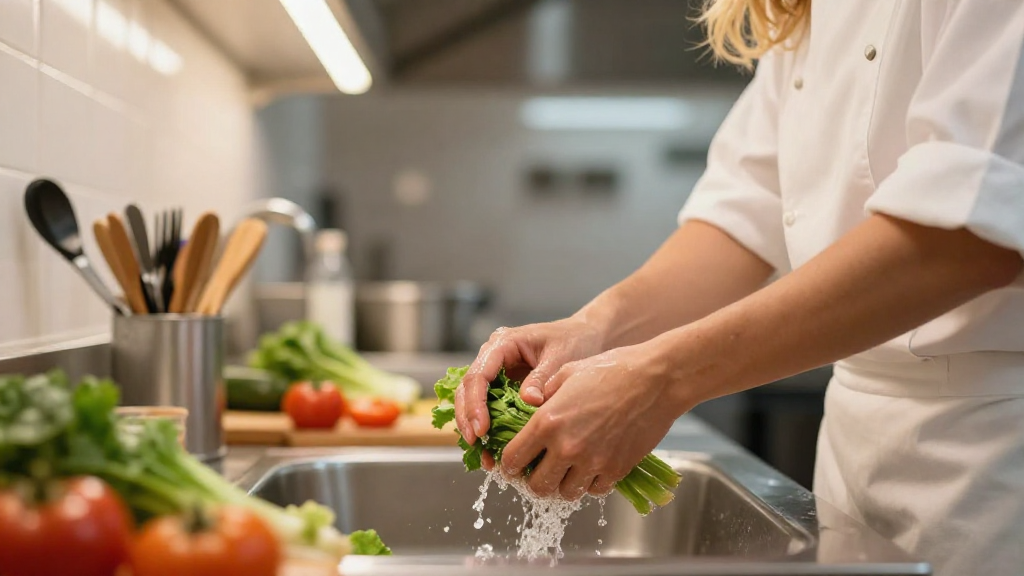
Food handlers bear significant responsibilities when it comes to maintaining safety and quality in food service. Understanding the food handlers’ responsibilities is crucial for preventing foodborne illnesses and ensuring customer satisfaction.
What Are the Key Food Handlers Responsibilities?
Food handlers’ responsibilities encompass a range of tasks designed to keep food safe from contamination. Those working in the food service industry should be familiar with these obligations to comply with local health regulations and provide quality service. Below are some of the fundamental responsibilities of food handlers:
1. Maintaining Personal Hygiene
Personal hygiene is paramount in the food industry. Food handlers must:
- Wash hands thoroughly with soap and warm water before handling food, after using the restroom, and after touching raw products or any contaminated surfaces.
- Wear clean uniforms and appropriate attire, which may include hairnets or hats.
- Avoid wearing accessories that could harbor bacteria, such as rings or bracelets.
- Stay home when feeling ill, particularly with symptoms like vomiting or diarrhea.
2. Safe Food Storage Practices
Proper storage is crucial for food safety. Food handlers must be aware of:
- Temperature controls: Keeping refrigerated foods at or below 41°F (5°C) and hot foods at or above 135°F (57°C).
- Storing raw and cooked foods separately to avoid cross-contamination.
- Using proper storage containers that are sanitary and clearly labeled.
3. Preventing Cross-Contamination
Cross-contamination can lead to severe foodborne illnesses. Food handlers should:
- Use separate cutting boards and utensils for raw meats, fruits, and vegetables.
- Always sanitize surfaces and equipment after preparing raw foods before using them for ready-to-eat items.
- Train employees on the risks associated with contamination and ensure they understand the importance of food handlers responsibilities in preventing these issues.
4. Following Food Safety Protocols
Food safety protocols are key to ensuring customer health. Here’s what food handlers should do:
- Follow local health department guidelines and food safety laws within their jurisdiction.
- Attend food safety training sessions to stay informed about the latest best practices in food handling.
- Constantly monitor food temperatures using food thermometers.
5. Cleaning and Sanitizing Work Areas
A clean workspace is crucial in the food industry. Food handlers must:
- Regularly clean and sanitize countertops, cutting boards, and kitchen equipment to eliminate harmful pathogens.
- Dispose of garbage properly and maintain a clutter-free kitchen environment.
- Use appropriate cleaning agents and ensure they are approved for food service areas.
6. Proper Cooking Techniques
Cooking food to the right temperature is essential in killing harmful bacteria. Food handlers must:
- Know the minimum internal temperatures required for different foods (e.g., poultry should be cooked to 165°F or 74°C).
- Use thermometers to check the temperature of food before serving.
- Thaw foods safely in the refrigerator, under cold water, or in a microwave (but never at room temperature).
7. Reporting Issues
Food handlers play an essential role in maintaining high standards of sanitary conditions. They should:
- Report any signs of foodborne illness among staff or customers to management immediately.
- Inform supervisors of any equipment malfunctions or unsafe food practices they observe.
- Be proactive about improving practices and suggesting safety measures to enhance overall operations.
8. Understanding Food Allergens
Knowledge about food allergens is vital to protect customers. Responsibilities include:
- Being aware of common allergens such as peanuts, gluten, shellfish, and soy.
- Informing customers about potential allergens in menu items.
- Preventing the cross-contact of allergenic foods with non-allergenic items through careful planning and preparation.
9. Proper Food Preparation
Careful food preparation is essential to maintaining quality. Food handlers should focus on:
- Following recipes and preparation guidelines accurately.
- Inspecting food for quality before use, discarding expired or spoiled items.
- Preparing ingredients in a sequence that minimizes the risk of contamination.
10. Training and Education
Food safety is a dynamic field that requires ongoing education. Food handlers are responsible for:
- Participating in regular food safety training sessions.
- Staying updated on changes in food safety regulations through continuous learning.
- Assisting new staff in understanding the responsibilities of food handlers through mentorship.
Conclusion
The responsibilities of food handlers extend beyond simply serving food; they encompass a wide range of practices designed to ensure safety and quality.
By adhering to these fundamental responsibilities, food handlers not only protect public health but also contribute to the success of their establishments. Anyone in the food service industry should be committed to these practices for a cleaner and safer food environment.
Regular training, personal hygiene, proper cooking and storage techniques, and awareness of food allergens are critical components of the food handlers’ responsibilities.
Taking these responsibilities seriously can significantly reduce the risk of foodborne illnesses and foster a positive reputation among customers. Therefore, it is essential for all food handlers to be vigilant and proactive in their efforts to ensure food safety at every stage of the food service process.