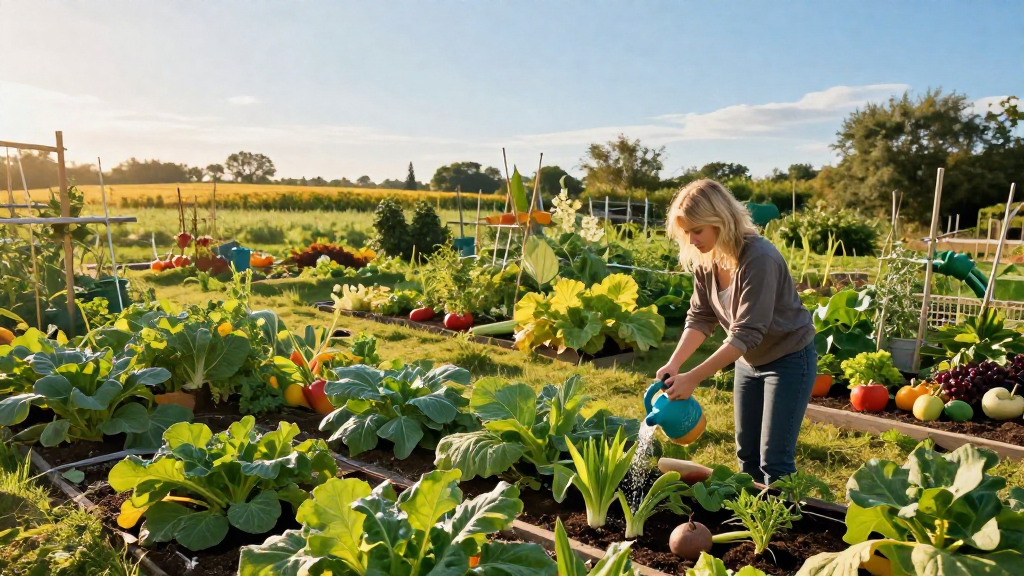
Understanding the distinction between food security and food sovereignty is crucial for anyone interested in global agricultural policies and sustainable food systems.
In this article, we’ll explore the key differences between the two concepts and their implications for communities worldwide.
What is Food Security?
Food security refers to the conditions under which all people have access to enough safe, nutritious food to maintain a healthy and active life.
Here are some essential components of food security:
-
Availability: Enough food must be produced to meet the population’s needs.
-
Access: Individuals must have the resources (financial, physical, and social) to obtain sufficient food.
-
Utilization: Proper nutrition requires that the food consumed is safe and capable of meeting dietary needs.
-
Stability: Food security must be stable over time, meaning that factors such as climate changes, economic fluctuations, and political instability do not significantly disrupt food access.
Food security primarily focuses on the quantitative aspects of food supply and the mechanisms for distribution.
This aspect underscores the importance of government policies, agricultural productivity, and international trade relations.
How is Food Sovereignty Different?
Food sovereignty shifts the focus from merely ensuring that food is available and accessible to empowering communities to control their own food systems.
It emphasizes the right of communities to:
-
Produce: Have the authority to decide what to grow based on cultural preferences.
-
Access: Ensure that traditional and sustainable agricultural practices are prioritized.
-
Distribution: Control the means of food production, including land access, seed sovereignty, and local markets.
-
Resource management: Manage natural resources sustainably to protect local environments.
Food sovereignty is concerned with social, economic, and political dimensions of food as a human right.
It considers not only who gets to eat but also who gets to produce the food and how cultural practices are respected and upheld.
Why Does the Difference Matter?
Understanding food security vs. food sovereignty is crucial for creating effective policies that address hunger and malnutrition.
-
Intrinsic Values: Food sovereignty considers community values, cultural heritage, and sustainability, while food security is more utilitarian in nature.
-
Approach to Solutions: Food security solutions often focus on increasing productivity and supply, while food sovereignty advocates emphasize community empowerment and rights.
-
Impact on Agriculture: Policies that prioritize food security may lead to industrial agricultural practices that often disregard local ecosystems and cultures.
On the other hand, policies supporting food sovereignty encourage local farming practices that work in harmony with the environment.
Is Food Security a Global Concern?
Yes, food security is a significant global issue.
According to the Food and Agriculture Organization (FAO), nearly 828 million people worldwide still suffer from hunger.
Factors contributing to this crisis include:
-
Climate Change: Extreme weather events are increasingly disrupting agricultural production.
-
Economic Factors: Inflation and economic downturns impact food prices and purchasing power.
-
Conflicts: Wars and political instability can disrupt food supply chains and agricultural activities.
Efforts to ensure food security often focus on improving agricultural infrastructure, technology, and distribution systems on a global scale.
What About Food Sovereignty on a Local Level?
Food sovereignty tends to prioritize local governance and community engagement in agricultural policies.
This is vital for several reasons:
-
Empowerment: Local communities can decide what crops to grow and support traditional methods that benefit their economies.
-
Sustainability: Emphasizing environmental stewardship reduces the need for synthetic pesticides and fertilizers, promoting organic practices.
-
Cultural Preservation: Areas can maintain their culinary traditions and agricultural knowledge while adapting to modern needs.
Food sovereignty fosters a sense of community identity and pride in local food systems.
These efforts can lead to resilient communities that are better equipped to handle crises.
How do Global Initiatives Address Food Security and Food Sovereignty?
International organizations like the FAO, World Food Programme (WFP), and International Fund for Agricultural Development (IFAD) work on strategies for both concepts.
-
Food Security Initiatives: These initiatives often involve providing aid, improving agricultural technology, and creating resilient food systems.
-
Food Sovereignty Initiatives: More focus is placed on local policy-making and supporting traditional agricultural practices.
For effective and meaningful changes, both food security and food sovereignty must work in tandem.
Integrated approaches are needed to ensure community empowerment while addressing immediate hunger concerns.
Can Food Security and Food Sovereignty Coexist?
Yes, both concepts can coexist and even complement each other effectively.
Food sovereignty can help achieve long-term food security by ensuring communities have the tools, resources, and governance structures they need to produce and distribute food sustainably.
When communities feel empowered to manage their resources,
they are more likely to engage responsibly in food production systems, leading to both immediate and sustainable food security.
Conclusion: Understanding Food Security vs. Food Sovereignty
In summary, while food security addresses the immediate need for access to food, food sovereignty encompasses the long-term vision of empowering communities.
Both concepts are essential for creating a just and sustainable food system around the world.
By understanding the differences and intersections between food security and food sovereignty, we can develop more effective policies that nourish not only individuals but also communities and ecosystems alike.
As consumers, policymakers, and advocates, recognizing these concepts gives us the tools to push for better solutions that address the root causes of hunger and malnutrition.
Keywords:
- Food Security vs Food Sovereignty
- Food sovereignty
- Food security
- Global agricultural policies
- Sustainable food systems
By focusing on these elements, we can forge a path toward a more equitable food future for all.