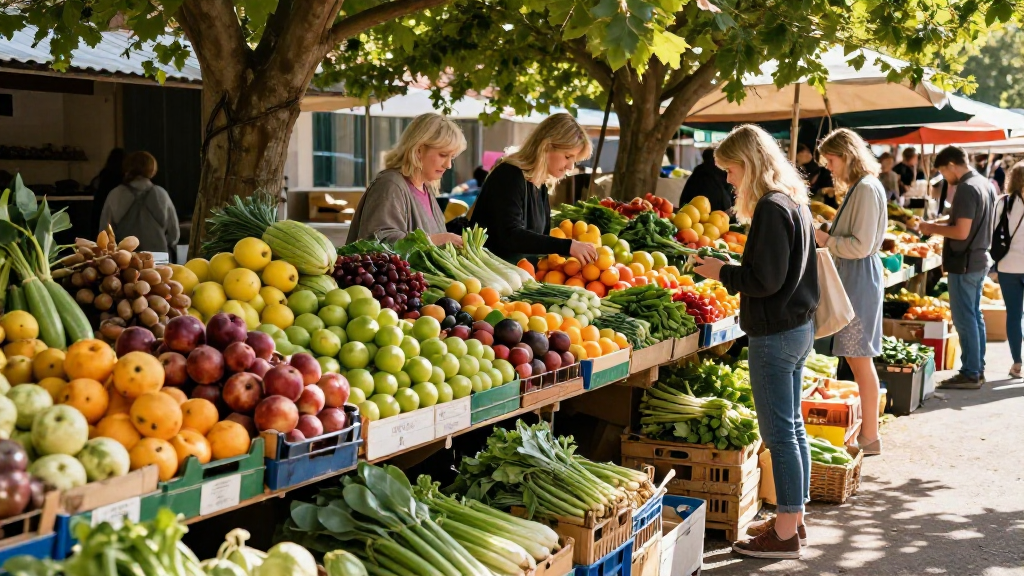
Food security programs play a vital role in ensuring that all individuals have access to sufficient, safe, and nutritious food.
Understanding these key food security programs can help us appreciate their impact on society, particularly in combating hunger and malnutrition.
What Are Food Security Programs?
Food security programs are initiatives and policies designed to ensure that individuals and communities are food-secure.
This means they have reliable access to an adequate supply of affordable and nutritious food.
These programs can be found at various levels, including local, national, and international, and they often involve partnerships between government agencies, non-profits, and the private sector.
Key components of food security programs include:
– Access: Ensuring individuals have enough resources to obtain food.
– Availability: Guaranteeing sufficient quantities of food are produced and supplied.
– Utilization: Promoting the knowledge and methods necessary to prepare and consume food safely.
– Stability: Maintaining food security over time by addressing economic and environmental factors.
Which Organizations Lead Food Security Programs?
Several organizations play prominent roles in implementing food security programs worldwide.
Here are some of the leading entities:
-
United Nations (UN): The UN’s Food and Agriculture Organization (FAO) focuses on improving agriculture practices and enhancing food security globally.
-
World Food Programme (WFP): This global organization provides food assistance and work to improve nutrition and build resilience in communities.
-
National Organizations: In the United States, for example, organizations such as the USDA (U.S. Department of Agriculture) administer food security programs like SNAP (Supplemental Nutrition Assistance Program).
-
Local NGOs: Numerous non-governmental organizations implement community-based food security programs, focusing on local needs.
Some notable NGOs include:
– Feeding America
– Oxfam
– World Vision
These organizations often collaborate to reinforce each other’s efforts, sharing resources and data to improve food security outcomes.
What Types of Food Security Programs Exist?
Food security programs can vary tremendously by location and purpose, but they generally fall into several categories.
Here are some common types of food security programs:
1. Nutritional Assistance Programs
These programs are designed to provide food support to low-income families and individuals.
Key examples include:
– SNAP: Offers electronic benefits that can be used to purchase food.
– WIC (Women, Infants, and Children): Provides assistance specifically for pregnant women, new mothers, and children under five.
2. Food Distribution Programs
These programs focus on the physical distribution of food to those in need.
For example:
– Food Banks: Collect and distribute food donations from manufacturers and retailers to local charities.
– Community Supported Agriculture: Local farms partner with community members to supply fresh produce directly to consumers.
3. Educational Initiatives
Education plays a crucial role in food security, empowering individuals with the knowledge to make better food choices.
Programs frequently include:
– Cooking classes
– Nutrition education workshops
– Gardening clubs
4. Support for Local Agriculture
By enhancing the capabilities of local farmers, these programs contribute to food availability.
Examples include:
– Grants and loans for small-scale farmers.
– Technical support for sustainable farming practices.
5. Emergency Food Assistance
In times of crises, such as natural disasters or economic downturns, emergency food assistance programs come to the forefront.
Such programs might involve:
– Temporary food distribution centers.
– Mobile food pantries.
How Do Food Security Programs Benefit Communities?
Food security programs provide numerous benefits beyond simply feeding those in need.
Here are some significant advantages:
-
Improved Health: Access to nutritious food leads to better health outcomes, reducing chronic diseases and enhancing quality of life.
-
Economic Stability: Food security programs often help stabilize local economies by supporting local agriculture and creating job opportunities.
-
Social Cohesion: These programs can help strengthen community bonds, as individuals come together to support one another through food-related initiatives.
-
Educational Improvement: When food insecurity is addressed, students can focus better in school, boosting academic performance and future opportunities.
How Are Food Security Programs Funded?
Funding for food security programs often comes from a combination of sources, including:
-
Government Allocations: National, state, and local governments widely fund food security initiatives.
-
Grants: Non-profit organizations apply for grants from foundations, corporations, and government agencies to support their programs.
-
Donations: Many organizations rely heavily on private donations, whether from individuals, businesses, or philanthropic foundations.
-
Partnerships: Collaborations between public and private sectors often provide additional resources, both in terms of funding and logistical support.
What Challenges Do Food Security Programs Face?
Despite their importance, food security programs encounter various challenges, including:
-
Funding Shortages: Many programs operate on tight budgets, which limits their reach and effectiveness.
-
Policy Changes: Shifting political landscapes can impact funding priorities and program availability.
-
Cultural Barriers: In diverse communities, cultural differences regarding food preferences and beliefs can pose challenges in program acceptance.
-
Logistical Issues: Distribution and storage of food can be problematic, especially in areas lacking infrastructure.
What Is the Future of Food Security Programs?
The future of food security programs is promising, as awareness of food security issues continues to grow.
Some trends shaping the future include:
-
Emphasis on Sustainability: Programs that focus on sustainable agriculture are gaining traction, showing promise for long-term solutions to food insecurity.
-
Technology Integration: Use of technology for food distribution and educational tools is set to enhance the efficiency and reach of food security initiatives.
-
Collaborative Models: Increasing partnerships among governments, NGOs, and corporations are strengthening food security programs and enhancing effectiveness.
In conclusion, food security programs are fundamental for ensuring that every person has access to the nutrition needed for a healthy life.
While challenges remain, the collective effort of dedicated organizations, individuals, and communities can lead to a future where food insecurity is significantly diminished.
With ongoing support and innovation, the goal of achieving food security can indeed be realized.