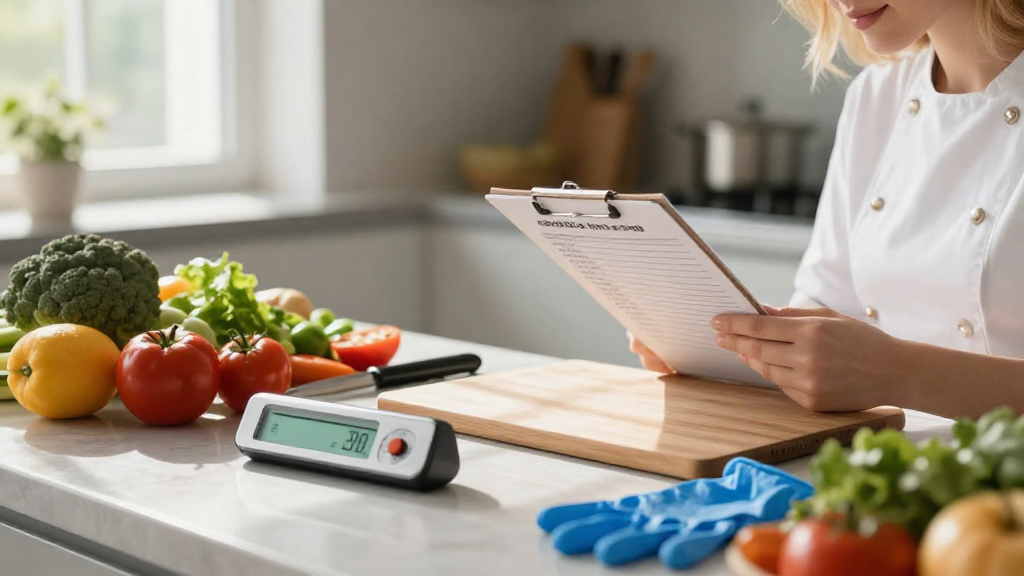
A well-structured food safety policy is crucial for any business involved in food preparation, handling, or distribution.
Why is a Food Safety Policy Important?
A food safety policy serves as a guiding document that outlines how an organization will prevent foodborne illnesses and ensure the safety of its products.
This policy is particularly important for:
- Restaurants
- Caterers
- Food manufacturers
- Retailers
Implementing a comprehensive food safety policy helps to establish consistent practices, protect consumer health, and maintain a company’s reputation.
What Key Components Should Be Included?
When developing a food safety policy, it’s important to incorporate several key components to ensure the document is both effective and comprehensive. Here are the essentials:
1. Food Safety Standards
What benchmarks should your policy meet?
- Establish clear food safety standards based on local, national, and international guidelines.
- Include references to standards such as HACCP (Hazard Analysis Critical Control Point), NSF certification, and ISO 22000.
- Emphasize the importance of following these standards consistently.
2. Employee Training and Management
How will you ensure that employees understand food safety protocols?
- Develop a comprehensive training program that covers food safety practices.
- Outline the training frequency – for example, new employees might receive initial training, with ongoing training sessions held annually.
- Implement a certificate system to recognize employees who complete training successfully.
3. Personal Hygiene Standards
What hygiene practices should employees follow?
- Specify personal hygiene standards, including regular hand washing, use of gloves, and wearing appropriate uniforms.
- Create guidelines for dealing with illnesses or injuries, ensuring that sick employees do not handle food.
- Include protocols for grooming, such as maintaining clean hair and wearing hairnets.
4. Food Storage and Handling Procedures
How should food be stored and handled to ensure safety?
- Provide clear guidelines on food storage temperatures.
- List appropriate storage methods, including FIFO (First In, First Out) principles.
- Detail procedures for thawing, marinating, and cooking food to the correct temperatures to kill harmful bacteria.
5. Cleaning and Sanitation Protocols
What cleaning and sanitation measures are necessary?
- Outline a cleaning schedule for all food preparation areas, equipment, and utensils.
- Specify the products used for cleaning and sanitizing and their application methods.
- Describe the importance of regular inspections to ensure cleaning protocols are followed effectively.
6. Monitoring and Verification Procedures
How will you monitor the implementation of your food safety policy?
- Detail procedures for regular audits and inspections to verify compliance.
- Specify who will be responsible for monitoring food safety practices.
- Create a documentation process for tracking compliance and any violations.
7. Emergency Procedures and Response Plans
What protocols should be in place for emergencies?
- Outline protocols for food recalls in the event of contamination.
- Include procedures for handling foodborne illness reports and emergencies.
- Specify proper communication channels for reporting issues internally and to regulatory bodies.
8. Supplier and Vendor Management
Who are your trusted suppliers, and how are they vetted?
- Establish criteria for selecting and evaluating suppliers to ensure they meet safety standards.
- Detail procedures for conducting routine checks and audits on suppliers and vendors.
- Include guidelines for management of ingredient recalls and vendor disasters.
9. Customer Feedback and Engagement
How can you involve customers in ensuring food safety?
- Create a system for collecting customer feedback related to food safety.
- Implement a complaint resolution process to address any food safety concerns raised by consumers.
- Encourage customer engagement through surveys and feedback forms to enhance food safety awareness.
What should be done after implementing the Food Safety Policy?
Once your food safety policy is drafted and executed, it’s crucial to establish steps for evaluation and improvement.
1. Regular Policy Review
How often will you update your policy?
- Schedule regular reviews of your food safety policy to align it with changing regulations and best practices.
- Consider involving team members during policy review sessions to gather diverse insights.
2. Ongoing Training and Education
How will you keep your team informed?
- Arrange for ongoing training sessions that focus on updates in food safety regulations or new food safety technologies.
- Leverage industry resources or workshops to keep staff familiar with the latest trends in food safety.
3. Effective Communication
How can you foster a culture of safety?
- Promote open communication channels among staff regarding food safety concerns.
- Encourage sharing success stories where adherence to the food safety policy has prevented issues.
4. Feedback Loop for Continuous Improvement
How can you improve based on feedback?
- Implement a feedback loop for team members to propose changes to the food safety policy as they navigate daily operations.
- Acknowledge contributions from employees and make necessary adjustments based on their suggestions.
Conclusion: Why Invest in a Strong Food Safety Policy?
In summary, crafting a robust food safety policy is not only essential for regulatory compliance but also vital in establishing a culture of safety within a food-related business.
This proactive approach to food safety:
- Protects your customers and your brand.
- Minimizes risks associated with foodborne illnesses.
- Ensures peace of mind for both owners and consumers.
By including the necessary components outlined in this article—such as training, hygiene, and emergency protocols—you can create an effective food safety policy that reflects a commitment to quality and safety.
Investing time and resources to develop and maintain a strong food safety policy will certainly pay off in the long run.