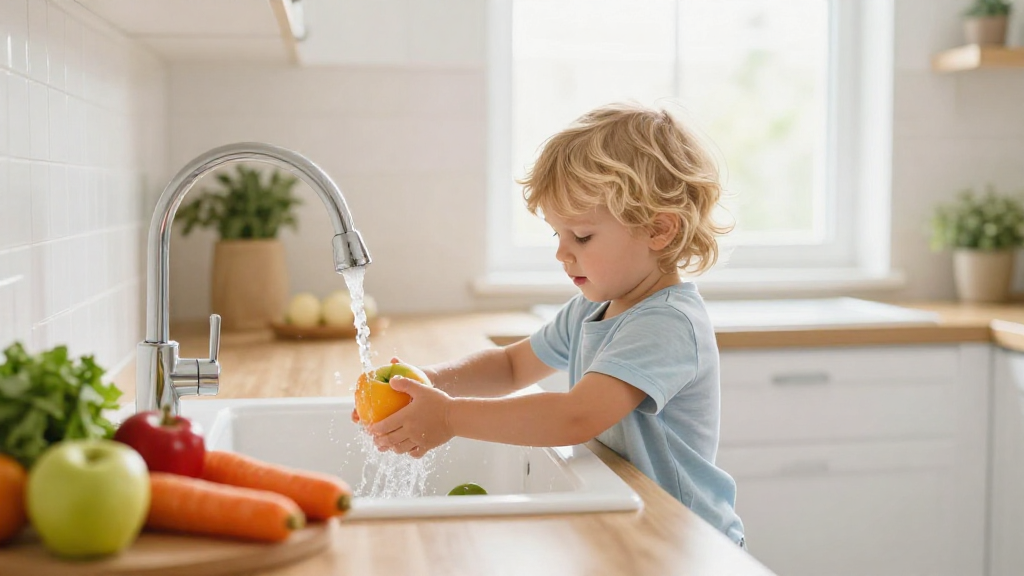
Teaching food safety for kids is essential for fostering healthy habits and preventing foodborne illnesses.
With proper guidance, children can learn important practices that ensure their safety and the safety of others in the kitchen.
What Is Food Safety for Kids?
Food safety for kids refers to the principles and practices necessary to prevent foodborne illnesses through safe food handling, preparation, and consumption.
Understanding these principles helps kids make informed choices, develop good habits, and appreciate the importance of hygiene in cooking and eating.
Why Is Food Safety Important for Kids?
-
Prevention of Illness:
Foodborne illnesses can cause serious health issues in children. Teaching kids about food safety reduces their risk of infections from contaminated food. -
Building Life Skills:
Learning about food safety teaches kids essential skills, such as cooking and cleaning, that they will use throughout their lives. -
Promoting Healthy Eating:
Understanding food safety encourages kids to choose fresh, healthy foods and be mindful of how food is stored and prepared. -
Responsibility and Independence:
As kids become aware of food safety, they learn to take responsibility for their own health and the health of their family.
What Are the Key Concepts of Food Safety for Kids?
When teaching food safety for kids, focus on a few foundational concepts:
1. Cleanliness: Why Is It Essential?
-
Handwashing:
Kids should wash their hands with soap and water before eating or handling food. Teach them to scrub for at least 20 seconds! -
Surface Sanitation:
Show them how to clean and sanitize kitchen surfaces before and after food preparation. Use soap and hot water for surfaces, and consider disinfecting wipes for extra safety.
2. Separation: How Do You Prevent Cross-Contamination?
-
Raw vs. Cooked Foods:
Explain the importance of keeping raw meat, poultry, and seafood separate from other foods. Use separate cutting boards for raw meats and vegetables. -
Storage Practices:
Kids should learn to store raw and cooked foods in different containers to avoid cross-contamination in the fridge.
3. Cooking: What Temperature Is Safe?
-
Use a Food Thermometer:
Teach kids how to use a food thermometer to check that food reaches a safe internal temperature. For example, poultry should be cooked to at least 165°F (74°C). -
Visual Cues:
Help them understand visual checks, such as color and texture changes, to determine when food is adequately cooked.
4. Chilling: Why Should Food Be Refrigerated Quickly?
-
Prompt Refrigeration:
Teach kids to refrigerate leftovers within 2 hours to prevent bacteria growth. If the temperature is above 90°F (32°C), this time reduces to just 1 hour. -
Proper Storage:
Kids should learn how to store leftovers in appropriate containers and label them with the date to ensure they are eaten while still safe.
How Can You Make Food Safety Fun for Kids?
Teaching food safety for kids can be engaging! Here are some fun activities to consider:
1. Food Safety Games
-
Safety Bingo:
Create Bingo cards with food safety terms, such as “handwashing” and “cross-contamination.” Call out definitions or examples, and let kids mark their cards. -
Cooking Challenges:
Organize cooking challenges that emphasize food safety. Kids can prepare meals while practicing cleanliness, separation, and cooking methods.
2. Interactive Lessons
-
Demonstrations:
Show children how to wash their hands properly or use a thermometer. Kids love hands-on experiences, and they retain lessons better this way. -
Role Play:
Pretend to run a restaurant where they have to serve customers safely. This role-playing exercise helps reinforce food safety concepts in a fun way.
3. Visual Aids
-
Infographics:
Create colorful infographics that illustrate food safety principles and hang them in the kitchen. Visual references can help children remember key points. -
Fun Videos:
Find short educational videos about food safety for kids that entertain while informing. Kids are often more engaged when using digital platforms.
Where Can You Find Resources to Teach Food Safety for Kids?
To enhance your lessons on food safety for kids, consider various resources:
-
Books:
There are many children’s books available that cover food safety in a fun and relatable manner. Seek out titles that teach safety through stories and activities. -
Websites:
Websites like the USDA and CDC offer excellent resources for parents looking to teach children about food safety. -
Local Classes:
Some community centers or extension programs host cooking classes aimed at teaching kids food safety. Check local listings for opportunities.
When Should You Start Teaching Kids About Food Safety?
The best time to start teaching food safety for kids is early—ideally by the time they can help in the kitchen.
-
Toddlers (Ages 2-4):
Familiarize them with washing hands before meals and simple kitchen tasks, like rinsing fruits and vegetables. -
Preschool (Ages 4-5):
Start introducing concepts like cleanliness and simple clean-up tasks. Teach them the importance of not mixing raw and cooked foods. -
School-Age (Ages 6+):
Children are ready to learn more complex food safety practices, including cooking techniques, safe food handling, and the importance of food storage.
Conclusion: How Do You Teach Food Safety for Kids?
Teaching food safety for kids doesn’t have to be dull or complicated.
Engaging children through fun activities, interactive lessons, and simple explanations can instill lifelong habits that will safeguard their health.
By laying the groundwork for sound food safety practices early on, parents and educators help kids grow into responsible, health-conscious individuals.
Start today, and together you can make a difference in ensuring a safer, healthier culinary experience for everyone!