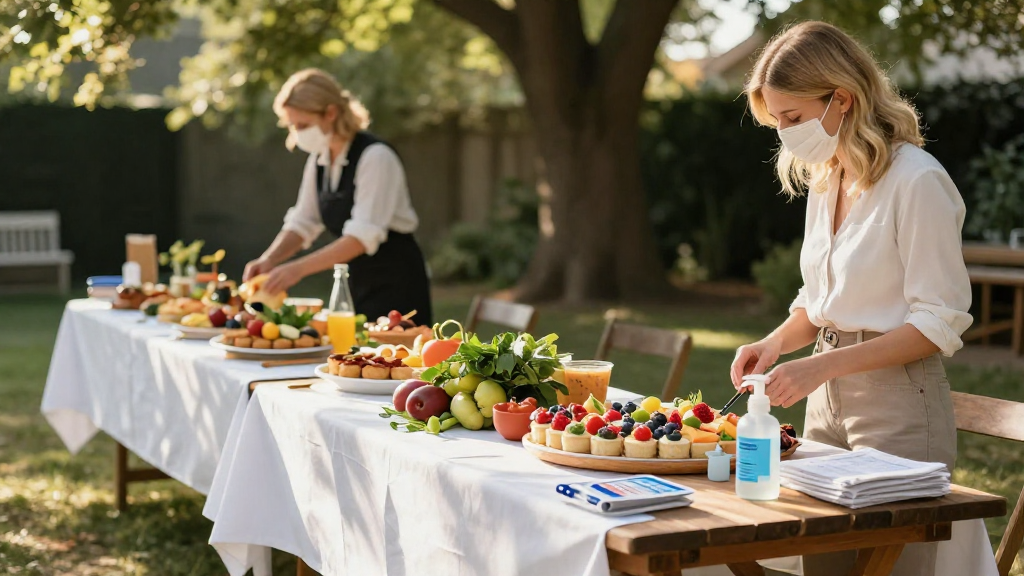
When planning any event, food safety for events should be a top priority for hosts and organizers.
Ensuring that food is handled, prepared, and served safely is essential for protecting your guests’ health and enjoying a successful gathering.
In this article, we will explore the critical components of effectively planning food safety for events and provide practical tips for ensuring a seamless culinary experience.
What Are the Key Components of Food Safety for Events?
Food safety for events is not just about avoiding foodborne illnesses; it encompasses various factors that contribute to a safe and enjoyable eating experience.
Here’s a rundown of the key components to consider:
- Hygiene Practices:
- Ensure that all staff involved in food preparation and serving maintain high personal hygiene standards.
-
Encourage handwashing before food preparation and after using the restroom.
-
Food Storage and Temperature Control:
- Monitor the temperature of food during storage, preparation, and serving.
- Keep cold foods at or below 40°F (4°C) and hot foods at or above 140°F (60°C).
-
Use food thermometers to track temperatures accurately.
-
Cross-Contamination Prevention:
- Keep raw and cooked foods separate to avoid cross-contamination.
- Use separate utensils and cutting boards for different food types.
-
Regularly sanitize surfaces to mitigate contamination risks.
-
Ingredient Quality:
- Source fresh, high-quality ingredients from reputable suppliers.
-
Check for expiration dates and signs of spoilage before using any food items.
-
Training Staff:
- Provide comprehensive food safety training for all staff, including serving staff and volunteers.
- Teach them about allergens, safe food handling practices, and emergency procedures.
How Do You Choose the Right Venue for Food Safety?
Choosing the right venue can significantly impact food safety for events.
Here are a few factors to consider when selecting a location:
- Facility Compliance:
- Ensure the venue complies with local health and safety regulations.
-
Verify any necessary permits or licenses for food preparation and service.
-
Kitchen Facilities:
- Evaluate the kitchen facilities to ensure they are equipped for food safety practices, such as proper refrigeration and cooking equipment.
-
Check for adequate sanitation supplies, like handwashing stations and cleaning agents.
-
Space and Layout:
- Consider the venue’s layout, including designated food preparation areas and serving stations.
- Ensure there is enough room to prevent overcrowding, which can lead to safety hazards.
How Do You Manage Food Allergies and Dietary Restrictions?
Managing food allergies and dietary restrictions is crucial for ensuring guest safety.
To plan food safety for events effectively in this regard, consider the following steps:
- Collect Guest Information:
- Before the event, gather information about guests’ allergies and dietary restrictions through registration forms or invitation RSVPs.
-
This will help you plan your menu accordingly.
-
Offer Diverse Menu Options:
- Create a menu that includes options for various dietary needs, such as vegetarian, vegan, gluten-free, and nut-free dishes.
-
Clearly mark allergen-free items on menus and serving stations.
-
Communicate with Staff:
- Train your food service staff to understand the importance of allergen awareness.
- Encourage them to communicate openly with guests regarding ingredient contents and potential cross-contact.
What Should Be Done Before the Event for Food Safety?
Preparation is key to ensuring food safety for events.
Here’s a checklist of tasks to complete before the event:
-
Menu Planning:
– Create a menu focusing on safety, using ingredients that can be safely prepared and stored. -
Supplier Coordination:
– Confirm all food orders with suppliers, ensuring that ingredients are delivered fresh and safe for consumption. -
Pre-Event Training:
– Hold a pre-event training session for staff to review food safety practices, covering everything from hygiene to allergen management. -
Equipment Check:
– Inspect kitchen equipment (e.g., ovens, refrigerators, food warmers) to guarantee they are functioning correctly. -
Supply Procurement:
– Gather all necessary supplies, including sanitizing wipes, food thermometers, gloves, and utensils.
How Do You Ensure Safe Food Handling During the Event?
Food safety practices should be consistently implemented during the event itself.
Here are essential strategies to follow:
- Continuous Monitoring:
- Designate a staff member to monitor food temperatures and serving conditions throughout the event.
-
Use thermometers to check food temperatures regularly.
-
Prompt Cleanup:
- Maintain a clean serving and dining area by promptly cleaning up spills and disposing of waste.
-
Provide accessible trash and recycling bins to encourage proper disposal.
-
Guest Awareness:
- Place signage reminding guests of food safety practices, such as handwashing and proper utensil use, especially when serving buffet-style.
After the Event, How Do You Handle Leftover Food?
Post-event food safety practices are critical for leftover management.
Here’s how to handle leftovers responsibly:
-
Safe Storage:
– Ensure that any leftover food is promptly cooled and stored in shallow containers to facilitate rapid cooling.
– Clearly label containers with the date and time of preparation. -
Duration Guidelines:
– Follow guidelines for how long food can be safely stored in the refrigerator (usually no more than three days).
– For longer storage, consider freezing items. -
Donations:
– In cases where food is still safe but cannot be consumed, consider donating to local food banks or shelters.
– Verify that you comply with local food donation regulations. -
Post-Event Review:
– Conduct a review with the staff to discuss what went well and what didn’t in terms of food safety.
– Continually improve processes based on feedback and experiences for future events.
Conclusion: Why Is Food Safety for Events Essential?
Food safety for events is a multifaceted practice that involves comprehensive planning and execution.
By taking proactive steps in managing hygiene, temperature control, allergen awareness, and equipment checks, you can safeguard your guests’ well-being and create a successful event.
Prioritizing food safety not only fulfills a legal and ethical responsibility but also enhances the overall experience for guests.
Remember, a safe event is a successful event!