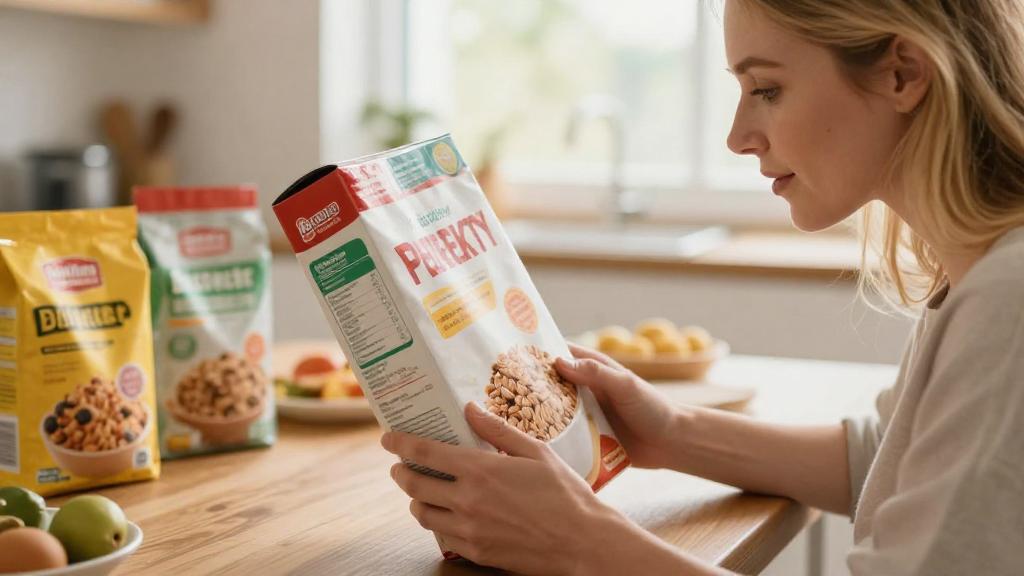
Understanding food labels is crucial for making informed dietary choices.
In this article, we’ll explore effective food label reading tips that will empower you to select healthier options at the grocery store.
What Are the Basic Components of Food Labels?
To become proficient in food label reading, it’s essential to familiarize yourself with its basic components.
Here are the key parts of a food label that you should know:
-
Serving Size: This indicates how much of the food is considered one serving.
All nutritional information is based on this measurement, so always compare it to how much you plan to eat. -
Calories: The total number of calories per serving is vital for those monitoring their energy intake.
Keeping track of calorie consumption can help maintain or achieve a healthy weight. -
Nutrients: Food labels provide values for key nutrients, including fat, cholesterol, sodium, carbohydrates, protein, vitamins, and minerals.
Understanding these values can help identify nutrient-dense versus nutrient-poor foods. -
Percent Daily Values (%): This percentage shows how a food product contributes to your daily diet, based on a 2,000-calorie diet.
It helps you gauge if a food is low or high in specific nutrients. -
Ingredient List: Ingredients are listed in descending order by weight.
Always check this section for hidden sugars, preservatives, and allergens.
How Can You Identify Healthy Options?
Using the right food label reading tips can guide you in selecting healthier options.
To make effective choices, consider these strategies:
-
Focus on Whole Foods:
Look for products that list whole grains, fruits, or vegetables as the first ingredient. -
Beware of Added Sugars:
Many processed foods contain excess sugars.
Check for terms like high-fructose corn syrup, sucrose, and honey that indicate added sugar content. -
Watch Out for Sodium:
Excess sodium can contribute to high blood pressure.
Aim for foods with lower sodium levels (ideally less than 140 mg per serving). -
Limit Saturated Fat and Trans Fat:
Opt for foods low in saturated fat (less than 5% DV) and without trans fats for better heart health.
Why is Understanding Nutritional Values Important?
Understanding nutritional values is fundamental to making healthy food choices.
Here’s why you should focus on nutritional values in your food label reading:
-
Promotes Balanced Diet:
By paying attention to nutrients, you can ensure you’re getting a balanced intake of essential vitamins and minerals. -
Supports Weight Management:
Understanding calories and serving sizes helps with tracking intake and maintaining a healthy weight. -
Reduces Risk of Chronic Diseases:
Consistently choosing foods low in unhealthy fats, sugars, and sodium can lower the risk of diseases like heart disease and diabetes.
How Can You Color-Code Your Food Labels?
Color coding is another versatile tool among effective food label reading tips.
Here’s how you can simplify your grocery shopping with a color-coded system:
-
Green for Healthy Choices:
Mark items that are rich in nutrients, such as whole grains, lean proteins, and healthy fats. -
Yellow for Moderation:
Use yellow for products that you can have in moderation, such as dairy, grains, and proteins high in fat. -
Red for Minimal Use:
Save red for items high in added sugars, unhealthy fats, and sodium that should be consumed sparingly.
This method provides a quick visual reference, making healthy choices easier when you’re shopping.
What Role Does Serving Size Play?
As previously mentioned, serving size is a critical part of food label reading.
Understanding it influences how you interpret the nutritional information provided. Here’s why you should pay attention:
-
Realistic Consumption:
Serving sizes indicate how much food you should consume for nutritional recommendations.
This helps you gauge if a product matches your dietary needs. -
Easier Nutritional Tracking:
By sticking to serving sizes, it’s easier to track your daily intake of calories and essential nutrients. -
Comparing Products:
When analyzing multiple items, a standard serving size allows for better comparisons of nutritional values.
How Can You Make Food Label Reading a Habit?
To truly enhance your food label reading skills, it’s important to make it a routine.
Here are some practical steps to integrate food label reading into your shopping:
-
Start Small:
Focus on a few key products and gradually expand your understanding as you become more comfortable. -
Use a Notebook:
Keep a dedicated notebook to jot down your observations or preferred products.
This can serve as a reference point for future shopping trips. -
Educate Yourself Continuously:
Stay informed about nutrition.
Read articles, take workshops, or even follow dieticians online for up-to-date advice. -
Practice Mindful Shopping:
Pay attention while you shop, and make a conscious effort to analyze food labels.
Set aside time to explore products and learn what they can offer to your diet.
Conclusion: How Important Are Food Label Reading Tips?
Enhancing your food label reading skills is paramount for making educated dietary choices.
Arming yourself with effective food label reading tips will not only promote better health but also empower you to take charge of your nutrition.
By focusing on serving sizes, understanding nutritional values, and comparing products, you’ll enjoy a more transparent and fulfilling shopping experience.
With practice, the skills you develop in reading food labels will become second nature, leading to healthier lifestyle choices and long-lasting habits.
So, the next time you’re at the grocery store, remember these food label reading tips and make the best choices for your health.