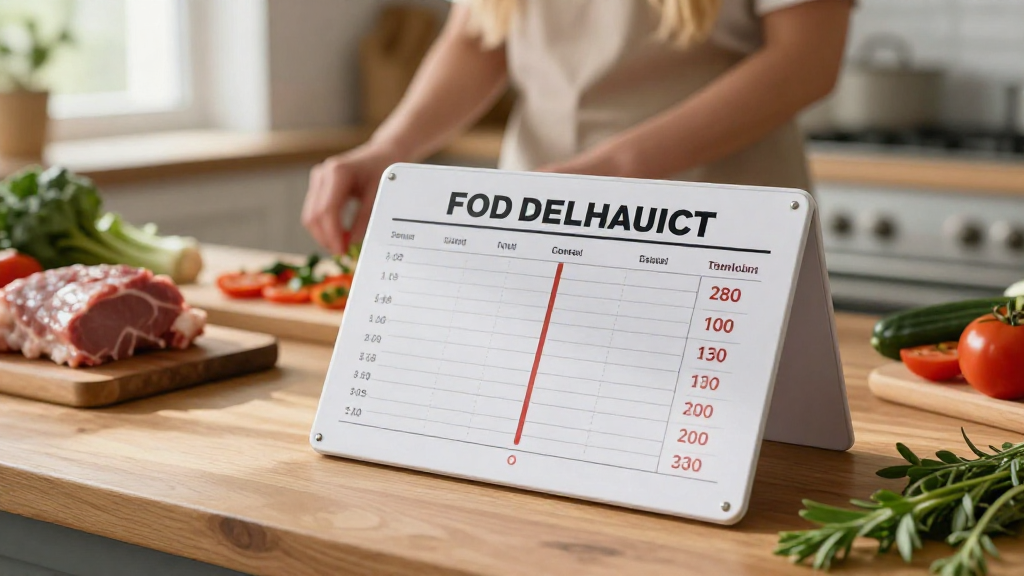
A food handling temperature chart is an essential tool for ensuring safe food practices in kitchens and food service environments.
It provides guidance on the optimal temperatures for cooking, storing, and holding food to prevent foodborne illnesses.
Why Is a Food Handling Temperature Chart Important?
Knowing the right temperatures for different food types is crucial in maintaining food safety.
Using a food handling temperature chart can help you:
- Prevent foodborne illnesses: Many pathogens thrive at specific temperature ranges.
- Ensure proper cooking: Cooking food to the right temperature kills harmful bacteria.
- Maintain taste and quality: Proper temperature control helps retain flavors and textures.
- Comply with regulations: Many health departments require adherence to temperature guidelines.
What Temperatures Are Found in a Food Handling Temperature Chart?
A typical food handling temperature chart includes a range of critical temperature points for various food categories.
Here are some of the key temperatures to note:
Cooking Temperatures
- Poultry: 165°F (74°C)
- Ground meats: 160°F (71°C)
- Beef, pork, lamb: 145°F (63°C)
- Fish: 145°F (63°C)
Holding Temperatures
- Hot foods: 140°F (60°C) and above
- Cold foods: 40°F (4°C) and below
Cooling Temperatures
- Foods should be cooled from 135°F (57°C) to 70°F (21°C) within 2 hours and then to 41°F (5°C) within 4 additional hours.
Freezing Temperature
- Freezers: 0°F (-18°C) or lower
How to Use a Food Handling Temperature Chart Effectively?
To maximize the benefits of a food handling temperature chart, consider the following steps:
-
Familiarize Yourself: Know the key temperatures for different foods and get comfortable with using the chart.
-
Use a Food Thermometer: Always keep a reliable food thermometer handy to measure internal temperatures of meats and other dishes accurately.
-
Regular Training: Ensure that all staff members are trained to understand and implement the food handling temperature chart effectively.
-
Document Temperatures: Keep records of the temperatures you observe during cooking and storage. This will help in maintaining accountability and compliance.
-
Monitor Food Conditions: Regularly check your refrigeration units and cooking equipment to ensure they are functioning correctly and maintaining the right temperatures.
What Happens If You Don’t Follow a Food Handling Temperature Chart?
Not adhering to the temperatures outlined in a food handling temperature chart can lead to severe consequences:
-
Foodborne Illness: The most significant risk is the potential for foodborne illnesses, which can result in serious health issues, hospitalization, or even death.
-
Increased Waste: Food that isn’t stored or cooked properly can spoil more quickly, leading to wastage and loss of resources.
-
Legal Repercussions: Failing to comply with health regulations can result in fines, sanctions, or even closure of a food service establishment.
Can a Food Handling Temperature Chart Help in Home Kitchens?
Absolutely!
A food handling temperature chart is not only useful in commercial settings but is equally important in home kitchens.
Here’s how you can integrate it into home cooking:
-
Meal Prep: Refer to the chart when preparing meals to ensure all food is cooked to safe temperatures.
-
Leftover Management: Use the temperatures to decide how to store leftovers safely and how long they can be kept in the fridge or freezer.
-
Safe Parties: If hosting events or gatherings, having a chart on hand can help ensure that food served is safe to consume.
Where Can You Find a Food Handling Temperature Chart?
You can find reliable food handling temperature charts in various places, including:
-
Local Health Departments: Many health departments provide free resources and guidelines for food safety.
-
Online Resources: Numerous websites offer downloadable charts for home use and food service operations.
-
Cookbooks: Many culinary textbooks include temperature guidelines as part of their food safety recommendations.
-
Training Programs: Professional training courses on food handling often provide charts as part of their training materials.
Conclusion: Mastering Food Safety with a Food Handling Temperature Chart
In conclusion, a food handling temperature chart is indispensable for anyone involved in food preparation and storage.
Understanding and implementing the guidelines provided in these charts can greatly reduce the risk of foodborne illnesses and improves overall food handling practices.
By investing in knowledge and tools related to food handling temperatures, you not only enhance food safety but also contribute to a healthier community.
Take the time to familiarize yourself with these guidelines, and you’ll be well on your way to mastering food safety in your kitchen. Whether you are a professional chef, a restaurant manager, or a home cook, having a food handling temperature chart at your disposal makes a world of difference.
Make sure to incorporate this critical resource into your food handling practices for better outcomes in safety and quality.