If you want fresher flour, better control, and a more traditional milling process, a stone grain mill can be a smart upgrade for your kitchen.
Below, we focus on the models that make sense for real-world home use: electric convenience, manual control, and durable construction for grains, spices, and more.
Best 10 Stone Grain Mill Picks for 2026
Premium Electric Stone Mill

- 450W motor for regular grain grinding
- Corundum stones with texture control knob
- Auto-shutoff thermal protection
Best For: Home bakers needing an adjustable electric stone mill
Versatile Home Grinder
Mountain Essentials Multi-Grain Mill

- Stone-based grinding for fresh flour
- Auto-clean and auto-stop convenience
- Compact tabletop design with adjustable fineness
Best For: Dry-ingredient grinding with easy upkeep
Classic Electric Stone Mill
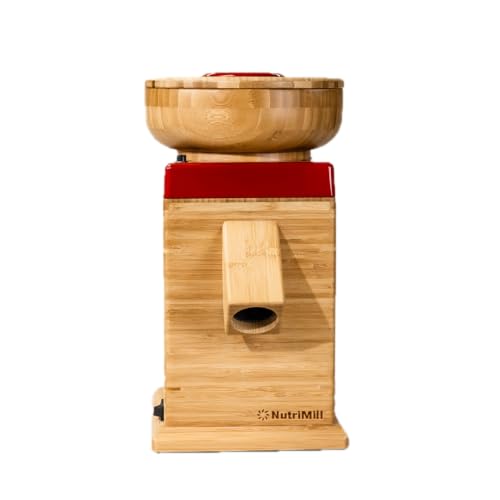
- 450W motor with corundum milling stones
- Patented texture control knob
- Auto-shutoff thermal protection
Best For: Shoppers wanting the Harvest mill in red
Manual Granite Stone Mill

- Solid natural granite construction
- Deep grooves for more even flour texture
- Hand-operated with stable wooden base
Best For: Slow, controlled grinding with a rustic style
Electric Countertop Mill
NutriMill Harvest 450W Stone Grinder

- 450W motor with thermal auto-shutoff
- Corundum stones and texture control knob
- Compact countertop design, 450 g capacity
Best For: Home bakers wanting a durable electric stone mill with adjustable grind settings
High-Speed Electric Grinder
750g Stainless Steel Grain Mill
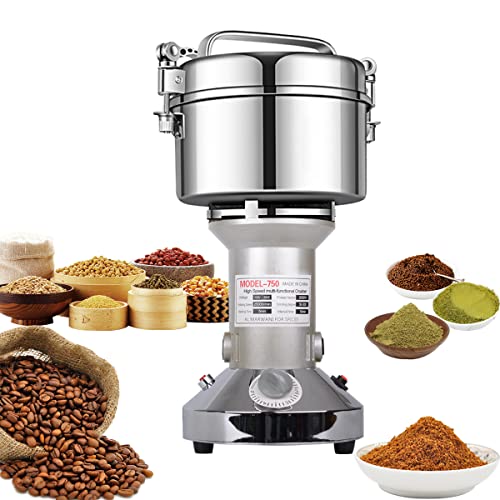
- 2000W motor with triple blade grinding
- 750g capacity for dry ingredients
- Auto shutoff and stainless steel build
Best For: Fast dry grinding of grains, spices, herbs, and coffee
Traditional Granite Hand Mill
Compact Manual Stone Grain Mill

- Natural granite grinding surfaces
- Works with grains, sesame, nuts, and spices
- Stable wooden base with hand-crank control
Best For: Small-batch home grinding with a traditional manual setup
High-Speed Hand Mill
Versatile Stone Burr Grain Grinder

- Stone and stainless steel burr sets included
- Handles grains, nuts, seeds, oily foods, and spices
- Secure clamp mount with precise grind adjustment
Best For: Manual milling with broad ingredient versatility and strong output
Heavy Granite Disk Mill
Large-Batch Slow-Speed Stone Grain Mill

- Large granite disk for broader contact surface
- Handles dry grains plus soaked ingredients
- Reinforced wooden base adds strong stability
Best For: Large-batch traditional grinding, including wet and dry recipes
Premium Electric Stone Mill – NutriMill Harvest Black
If you want a stone grain mill for frequent home baking, the NutriMill Harvest is built around a 450-watt motor and near-diamond hard corundum milling stones. It is designed for grinding grains, beans, lentils, and rice, with a patented texture control knob that lets you fine-tune the grind.
Best For: Home bakers who want an electric stone mill with adjustable texture control and strong everyday performance.
Pros:
- 450-watt heavy-duty motor for regular grain grinding
- Corundum milling stones for stone grinding performance
- Patented texture control knob for grind adjustment
- Auto-shutoff thermal protection adds safety
Cons:
- Weighs 18.7 pounds, so it is not especially light
- Primarily intended for dry grains, beans, legumes, and rice
Overall, this is a strong pick if you want a dependable electric stone grain mill with simple controls and the durability to handle regular kitchen use. Its CSA listing and USA design/assembly may also appeal to buyers who value those details.
Versatile Home Grinder – Mountain Essentials Multi-Grain Mill
This stone grain mill is aimed at home kitchens that want fresh flour and a wider range of dry ingredients in one countertop machine. The stone-based grinding system is designed for grains, millets, pulses, and spices, and it includes auto-clean and auto-stop features for easier day-to-day use.
Best For: Families and home cooks who want a compact stone-based grinder for dry grains, millets, pulses, and spices.
Pros:
- Stone-based grinding system for fresh flour
- Works with dry grains, millets, pulses, and spices
- Auto-clean and auto-stop features improve convenience
- Compact, lightweight tabletop design for smaller spaces
Cons:
- For dry ingredients only; oily or wet items are not recommended
- At 26.5 pounds, it is still substantial for a portable model
If you want a practical stone grain mill with broad dry-ingredient versatility, this model stands out for its adjustable fineness and easy-maintenance features. It is especially appealing for buyers who want fresh grinding without giving up countertop space.
Classic Electric Stone Mill – NutriMill Harvest Red
The NutriMill Harvest Red is a stone grain mill for buyers who want the same 450-watt electric grinding setup in a modern color option. It uses near-diamond hard corundum milling stones and a patented texture control knob, making it suitable for grinding grains and other dry ingredients with controlled results.
Best For: Buyers who want an electric stone grain mill in a red finish with adjustable grind texture.
Pros:
- 450-watt heavy-duty motor for milling
- Corundum stones for stone grinding performance
- Patented texture control knob for grind adjustment
- Auto-shutoff thermal protection for added safety
Cons:
- At 20.4 pounds, it is fairly heavy for its size
- Best suited to dry milling and grinding tasks
This is a straightforward choice if you like the NutriMill Harvest formula but prefer a red finish. It keeps the same core performance features, so the decision mostly comes down to color and kitchen fit.
Manual Granite Stone Mill – Natural Granite Grinder
If you prefer a hands-on stone grain mill, this manual granite model focuses on slow, controlled grinding with a natural stone-and-wood build. Its deep grinding grooves are meant to support more even flour texture, and the heavy-duty handle plus wooden base are designed for stable use in the home kitchen.
Best For: Home users who want a manual stone grinder with a rustic look and controlled slow grinding.
Pros:
- Solid natural granite construction for durability
- Deep grinding grooves help create more even flour texture
- Hand-operated design gives slow, controlled processing
- Wooden base and heavy-duty handle support stable use
Cons:
- Manual winding requires more effort than electric mills
- Best for slow grinding rather than fast batch processing
This is a good option if you value the simplicity and feel of a manual stone mill over speed. It also offers a classic stone-and-wood style that may appeal to buyers who want the grinder to look as traditional as it performs.
Electric Countertop Mill – NutriMill Harvest 450W Stone Grinder
If you want a stone grain mill for regular home baking, the NutriMill Harvest is built for steady countertop use. Its 450-watt motor, near-diamond-hard corundum stones, and patented texture control knob give you a practical way to mill flour with more control than a basic grinder.
Best For: Home bakers who want an electric stone mill with adjustable texture and compact footprint.
Pros:
- 450-watt heavy-duty motor with thermal auto-shutoff protection
- Near-diamond-hard corundum milling stones for stone grinding
- Patented texture control knob for adjusting the grind
- Compact 7″ x 7″ x 13″ design with 450 g capacity
Cons:
- Heavier than smaller tabletop appliances at 19.3 pounds
- Electric-only operation means it needs a power outlet
- Best suited to home use rather than portable grinding
This is a straightforward choice if you want an electric stone mill with durable construction and built-in safety protection. It focuses on practical flour milling rather than extra features, which makes it a strong fit for everyday kitchen use.
Vintage Manual Mill – Granite Stone Grain Mill with Wood Base
This stone grain mill is a manual granite grinder made for users who value low-speed milling and a traditional feel. It supports both dry and wet grinding, with hand-carved teeth, a widened spout, and a detachable design that aims to make everyday use and cleanup more manageable.
Best For: Shoppers who want a manual stone grinder for dry grains, wet ingredients, and a decorative vintage look.
Pros:
- Made from pure natural high-density granite
- Handles both dry and wet grinding applications
- No electricity required, so it runs quietly
- Includes a wood base/frame and ergonomic handle
Cons:
- Manual operation requires more effort than electric mills
- Larger footprint may take more counter space
- Best for small-batch grinding rather than fast processing
If you want a stone mill that doubles as a functional kitchen piece, this one stands out for its granite build and vintage styling. It is most appealing when you want slow grinding, flexibility with ingredients, and a more artisanal approach.
High-Speed Electric Grinder – 750g Stainless Steel Grain Mill
For buyers who need speed more than traditional stone milling, this electric grain mill is built as a high-power dry grinder for grains, spices, herbs, coffee, and rice. With a 2000W motor, triple blade setup, and a stainless steel body, it is aimed at fast pulverizing rather than slow flour production.
Best For: Users who need a fast electric grinder for dry ingredients in the kitchen, shop, or lab.
Pros:
- High-speed 2000W motor with 25,000 RPM rotation
- Triple blade design for faster pulverizing
- 750g capacity for larger dry batches
- Auto shutoff protection when overloaded
Cons:
- Dry materials only; not for wet or oily ingredients
- Needs rest periods after about 3 minutes of use
- Cleaning requires care because it should not be rinsed with water
This model makes sense if you want speed and versatility across dry ingredients, not a traditional stone mill experience. Its main strengths are power, capacity, and safety features, while its limits are tied to dry-only operation and short run times.
Traditional Granite Hand Mill – Compact Manual Stone Grain Mill
If you want a stone grain mill for small-batch home use, this manual granite model focuses on slow, chemical-free grinding with a straightforward hand-crank design. It works as a flour mill grinder for grains, sesame, nuts, and dried spices, making it a practical fit for everyday kitchen prep when you want control without electricity.
Best For: Home bakers and cooks who want a compact manual mill for grains, sesame, nuts, and spices.
Pros:
- Natural granite grinding surfaces for durable, chemical-free milling
- Handles wheat, rice, sesame, almonds, and dried spices
- Ergonomic wooden handle gives you manual control over fineness
- Stable wooden stand helps reduce wobbling during use
Cons:
- Manual grinding is slower than electric grain mills
- Best suited to small-batch food preparation
- Requires rinsing and simple upkeep after use
This stone mill is a good pick if you value traditional grinding and want a countertop-friendly tool for fresh flour and seasonings. It is less about speed and more about dependable, hands-on control for focused home use.
High-Speed Hand Mill – Versatile Stone Burr Grain Grinder
This stone grain mill is built for users who want more output from a hand-crank grinder without giving up versatility. It combines stone and stainless steel burrs, a secure table clamp, and a precise adjustment knob so you can move from fine flour to cracked grain, plus specialty tasks like nut butter and oily ingredient grinding.
Best For: Users who want a heavy-duty manual mill that handles dry grains, oily foods, spices, and specialty prep like nut butter or masa.
Pros:
- Fast hand grinding performance with strong flour output
- Includes both stone burrs and stainless steel burrs
- Handles dry, soft, wet, oily grains, spices, and more
- Table clamp mount and locking adjustment knob improve stability and control
Cons:
- Larger and heavier than simpler hand mills
- Manual operation still requires effort for repeated milling
- More specialized than a basic flour-only grinder
If you want one manual mill that can do more than standard flour grinding, this model stands out for range and build quality. It is a strong choice for users who need flexibility across grains, nuts, seeds, cocoa, and hard spices.
Heavy Granite Disk Mill – Large-Batch Slow-Speed Stone Grain Mill
This stone grain mill is designed for patient, slow-speed grinding where stability and contact surface matter more than speed. With its larger granite disk and reinforced wooden base, it suits dry flour work as well as wet preparations like soaked grains, soy milk, rice paste, and other traditional food projects.
Best For: Makers who want a stable manual mill for larger batches, wet or dry grinding, and traditional prep like soy milk or tofu.
Pros:
- Larger granite disk offers a broader grinding surface
- Works for both dry wheat and soaked grain preparations
- Heavy stone and wooden base improve stability
- Useful for fresh-milled flour, rice paste, soy milk, and tofu prep
Cons:
- Grinding is slow and may take multiple passes
- Best for patient, hands-on food prep rather than quick output
- Large size and weight make it a dedicated countertop tool
This model is best viewed as a traditional prep tool for people who enjoy the process as much as the result. It trades speed for steady pressure, larger capacity, and the flexibility to handle both dry and wet ingredients.
How We Picked These Stone Grain Mill Options
We looked for mills that balance grinding performance, build quality, ease of use, and value. Because buyers shop for a Stone Grain Mill for different reasons, we included both electric and manual designs, plus options suited to dry grains, spices, and versatile household grinding.
Priority went to stable construction, practical capacity, and straightforward operation. We also considered whether a model is better for occasional use or regular flour making.
Quick Comparison
Electric stone mills are best if you want faster batching and less effort. Manual mills suit small quantities, backup use, and buyers who prefer full control. High-speed stainless steel grinders may be useful for dry pulverizing, but they are not always the best substitute for a true stone grinding experience.
If you bake often, favor consistent output and heat management. If you need flexibility, look for models that can handle grains, seeds, and some spices without excessive fuss.
Key Buying Factors for a Stone Grain Mill
Grinding Method
Stone grinding is valued for slower processing and a more traditional flour texture. Decide whether you want electric convenience or manual control, then match that choice to how much flour you actually make.
Capacity and Speed
Larger-capacity electric mills help with bigger batches, while manual mills are better for smaller, occasional jobs. Speed matters, but more speed is not always better if you want cooler, more controlled milling.
Materials and Stability
Look for sturdy housings, solid bases, and quality grinding stones. A stable machine is easier to use and usually more comfortable during longer grinding sessions.
Food Versatility
Some mills are built mainly for wheat and other dry grains, while others can handle spices, nuts, seeds, or wet ingredients. Choose based on your actual pantry needs, not just the widest claims.
Who Should Buy Which Stone Grain Mill?
Choose an electric Stone Grain Mill if you bake regularly and want fresh flour with minimal effort. Choose a manual mill if you want portability, simplicity, or a dependable backup during power outages.
If you need one machine for mixed tasks, focus on the models that clearly support the ingredients you use most. For pure flour making, prioritize consistency and grind quality over extra features.