Fresh pasta is easier to make at home when your machine fits your counter, cabinets, and routine. The best pasta machines for small kitchens balance useful features with a compact footprint and manageable storage.
Our roundup includes manual rollers, multifunction models, and automatic machines suited to different budgets and cooking habits. Use the guide below to compare capacity, controls, cleanup, and the amount of hands-on work each type requires.
Best 10 Pasta Machines for Small Kitchens Picks for 2026
Classic Italian Pick

- Chrome-steel construction
- 10 thickness settings
- Makes lasagna, fettuccine, and tagliolini
Best For: Traditional manual pasta making in a compact footprint
Versatile Budget Option
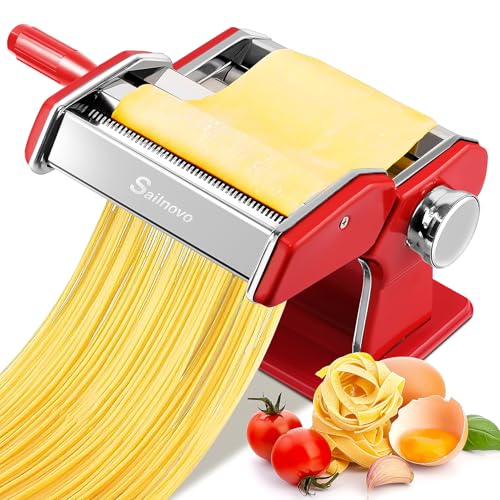
- Nine thickness settings
- Two cutter widths
- Detachable, rust-resistant design
Best For: Beginners making varied pasta shapes in limited space
Easy-Care Choice
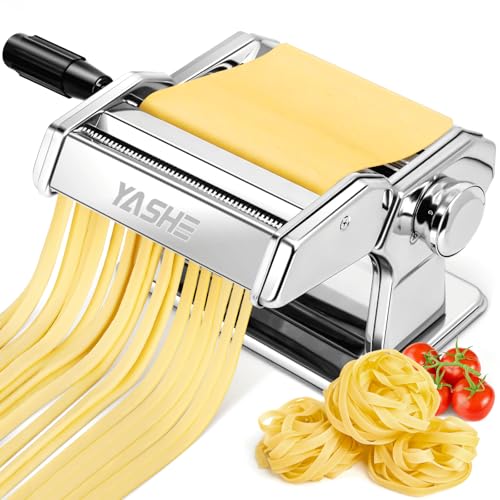
- Nine adjustable thickness settings
- Dual spaghetti and fettuccine cutters
- Cleaning brush and cloth included
Best For: Frequent manual pasta making with simpler cleanup
Automatic Space-Saving Pick
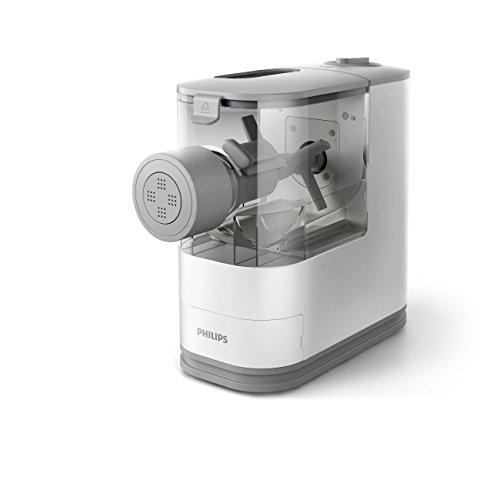
- Automatic kneading and extrusion
- Makes 2–3 servings in about 18 minutes
- Stores three shaping discs onboard
Best For: Fast, low-effort fresh pasta on the countertop
Compact Traditional Pick
VeoHome Manual Pasta Maker with Dryer

- Seven adjustable thickness settings
- Two cutters plus drying rack and ravioli mould
- Stainless-steel manual design with clamp
Best For: Hands-on pasta making in a compact kitchen
Hands-Off Batch Maker

- Automatic mixing and extrusion with four modes
- 500 g capacity and about 14-minute batches
- Eight pasta discs plus measuring and cleaning tools
Best For: Beginners and families wanting automated fresh noodles
Best Adjustable Range

- Seven thickness settings from 0.5 to 3 mm
- Includes 2 mm and 6 mm cutters
- Manual stainless-steel design
Best For: Cooks making pasta and dumpling wrappers
Classic Italian Pick – Marcato Atlas150
MARCATO Atlas150 Manual Pasta Maker Machine-LASAGNA, FETTUCCINE & TAGLIOLINI. Made in Italy
Check Price On AmazonFor shoppers comparing pasta machines for small kitchens, the Marcato Atlas150 is a compact manual option with a durable chrome-steel build. Its 10 settings and three included functions cover lasagna, fettuccine, and tagliolini while giving you control over sheet thickness.
Best For: Home cooks who want a sturdy manual machine for classic pasta shapes and adjustable dough thickness.
Pros:
- Made with chrome-plated and nickel-plated steel components.
- Offers 10 thickness settings from 0.8mm to 4.8mm.
- Includes a crank handle and cutters for lasagna, fettuccine, and tagliolini.
Cons:
- Manual operation requires hands-on rolling and cutting.
- At 2.6kg, it is heavier than some lightweight alternatives.
The Atlas150 is a practical choice when build quality and traditional pasta-making control matter more than automation. Its compact 8-by-8-by-7-inch dimensions suit limited counter space, provided you have room to clamp and operate it.
Versatile Budget Option – Sailnovo 3-in-1 Pasta Maker
The Sailnovo 3-in-1 is a flexible choice for small kitchens, combining a manual roller with two cutting widths and nine thickness settings. Its detachable design, lightweight aluminum-alloy rollers, and included desk clip make it approachable for everyday homemade pasta.
Best For: Beginners and families seeking an affordable manual machine for spaghetti, fettuccine, lasagna, and dumpling wrappers.
Pros:
- Provides nine thickness settings from 0.3mm to 3mm.
- Includes 2mm and 6.25mm cutters for different noodle styles.
- Detachable structure supports cleaning, while the clamp helps stabilize the machine.
- Food-grade materials and a lightweight, rust-resistant aluminum-alloy roller design.
Cons:
- Manual cranking takes more effort than an automatic machine.
- Cleaning requires brushing, wiping, and removing dough residue manually.
With its red finish, broad thickness range, and two cutter sizes, the Sailnovo offers useful versatility without requiring a large appliance. It is especially suitable when storage space and budget are key considerations.
Easy-Care Choice – YASHE 3-in-1 Pasta Maker
Among pasta machines for small kitchens, the YASHE 3-in-1 stands out for combining a compact manual format with a useful cleaning kit. It offers nine thickness settings, dual-width cutters, and a fixing clamp for making pasta, lasagna sheets, and dumpling skins.
Best For: Home cooks who want versatile manual pasta preparation with cleaning tools included.
Pros:
- Offers nine settings from 0.3mm to 3mm.
- Includes 2mm and 6.5mm cutters for spaghetti and fettuccine.
- Food-grade stainless steel and aluminum-alloy construction with a sturdy clamp.
- Includes a cleaning brush and cloth for maintenance.
Cons:
- Manual operation requires repeated hand cranking.
- Its 2.9kg weight is relatively substantial for a small manual machine.
The YASHE balances versatility and maintenance convenience in a countertop-friendly design measuring about 9.76 by 8.98 by 6.69 inches. The included cleaning accessories are a practical advantage for cooks who plan to use the machine regularly.
Automatic Space-Saving Pick – Philips Viva Pasta Maker
The Philips Viva is a strong option for small kitchens when convenience matters more than a traditional hand-crank setup. This fully automatic machine kneads and extrudes two to three servings in about 18 minutes, with built-in storage for its three shaping discs.
Best For: Busy cooks who want fresh spaghetti, penne, or fettuccini with minimal hands-on preparation.
Pros:
- Automatically kneads and extrudes pasta in approximately 18 minutes.
- Includes shaping discs for spaghetti, penne, and fettuccini.
- Space-saving design is intended to remain on the counter.
- Built-in disc storage keeps accessories organized.
Cons:
- Its 15.5-by-13-by-11.9-inch dimensions require more counter area than compact manual rollers.
- It weighs 4,700g, making it less convenient to move frequently.
The Philips Viva is the most convenient choice here for routine fresh pasta because it handles kneading and extrusion automatically. Its larger footprint is the main trade-off, but built-in disc storage helps keep the setup organized.
Compact Traditional Pick – VeoHome Manual Pasta Maker with Dryer
For shoppers comparing pasta machines for small kitchens, this manual VeoHome model combines a stainless-steel roller, two cutters, and a detachable drying rack in one compact countertop setup. Its hand-crank design and seven thickness settings suit cooks who want hands-on control without adding an electric appliance.
Best For: Traditional pasta making, adjustable sheets, and households that value included drying and ravioli accessories.
Pros:
- Seven thickness settings cover thin ravioli sheets through thicker lasagna sheets.
- Includes 2 mm and 6.6 mm cutters for different noodle widths.
- Comes with a drying rack and ravioli mould.
- Stainless-steel construction includes a table clamp and hand crank.
Cons:
- Manual operation requires turning the crank for each batch.
- At 2.9 kg, it is sturdy but not especially lightweight.
This is a well-equipped choice for a small kitchen if you prefer manual control and need several pasta-making functions without buying separate accessories.
Simple Stainless-Steel Value – 7-Setting Manual Pasta Maker
This manual roller is a practical option among pasta machines for small kitchens, offering a compact hand-crank format with a non-slip table clamp. Its seven thickness levels and detachable cutter head provide flexibility for homemade spaghetti, fettuccine, lasagna, and similar dough sheets.
Best For: Budget-conscious cooks who want a straightforward manual machine that is easy to store and clean.
Pros:
- Seven thickness settings support multiple pasta styles and wonton wrappers.
- Detachable cutters make 2 mm spaghetti and 4.5 mm fettuccine.
- Heavy-duty stainless-steel and food-grade materials are designed for durability.
- Includes a clamp, hand crank, and cleaning brush for basic setup and care.
Cons:
- It does not include a drying rack or ravioli mould in the listed components.
- Manual cranking can be less convenient for frequent or larger batches.
Choose this model when cabinet space and uncomplicated operation matter most; it delivers core rolling and cutting functions without an electric motor.
Hands-Off Batch Maker – VEVOR Automatic Pasta Maker
Among pasta machines for small kitchens, this VEVOR electric model is designed for cooks who prefer automated mixing, kneading, and extrusion. It has a 500 g flour capacity, four intelligent modes, and eight shaping discs, though its taller 13.4-by-7.1-by-11-inch footprint needs more dedicated counter or cabinet space than a manual roller.
Best For: Beginners and families who want automated fresh noodles and several shapes from one machine.
Pros:
- Automatic operation and four modes reduce hands-on kneading and extruding.
- 500 g flour capacity can make enough noodles for about four people in roughly 14 minutes.
- Includes eight pasta discs for varied noodle shapes.
- Cleaning brush, spatula, measuring cups, and dishwasher-safe parts support cleanup.
Cons:
- Its 11-inch height may be less convenient for tight cabinets or counters.
- Correct flour-to-water ratios are important because excess or insufficient water can cause sticking or extrusion problems.
- At 11 pounds, it is heavier than the listed manual models.
This machine trades the smallest storage footprint for speed and convenience, making it the stronger fit when automated batch preparation matters more than minimal appliance size.
Best Adjustable Range – Nuvantee 3-in-1 Pasta Maker
For shoppers comparing pasta machines for small kitchens, the Nuvantee combines manual operation with a stainless-steel build and seven thickness settings. Its 5.39-by-6.89-by-8.5-inch footprint offers multiple pasta options without requiring an electric appliance.
Best For: Home cooks who want adjustable dough thickness for pasta, dumpling wrappers, and multiple noodle styles.
Pros:
- Seven settings roll dough from 0.5 to 3 mm.
- Includes 2 mm and 6 mm cutters for narrow and wide noodles.
- Manual design needs no power and is made primarily from stainless steel.
- Handles pasta, lasagna, and dumpling-wrapper dough.
Cons:
- At 2,700 g, it is not the lightest option for frequent storage.
- Manual rolling requires hands-on effort.
The Nuvantee is a versatile choice when thickness control matters most. It is especially practical for cooks who want one compact manual machine for several fresh-pasta and wrapper preparations.
Best Compact Workhorse – Shule Stainless Steel Pasta Maker
The Shule is a practical pick among pasta machines for small kitchens, measuring about 8.2 by 8.2 by 6 inches. It includes a hand crank, clamp, roller, and narrow and wide cutters, giving you a complete manual setup in a relatively compact format.
Best For: Cooks who want a secured countertop machine with a broad 0.5-to-3-mm thickness range.
Pros:
- Compact dimensions suit limited counter and storage space.
- Adjustable thickness ranges from 0.5 to 3 mm.
- Adjustable clamp helps secure the machine during use.
- Includes both narrow and wide pasta cutters.
Cons:
- Cleaning instructions call for a dry brush or cloth rather than washing.
- The manual process may require flouring and repeated dough handling to prevent sticking.
With its clamp and included accessories, the Shule focuses on countertop stability and straightforward operation. It is a sensible option when you want a full manual pasta-making kit without a large appliance footprint.
Best for Easy Storage – GOURMEX Red Manual Pasta Maker
For small kitchens where storage is a priority, this GOURMEX manual pasta maker emphasizes a detachable handle and clamp. Its stainless-steel body offers seven thickness settings and a double cutter head for spaghetti or fettuccini.
Best For: Home cooks who need a manual pasta machine that can be disassembled for more compact storage.
Pros:
- Detachable handle and clamp support compact storage.
- Seven thickness settings accommodate different pasta preparations.
- Double cutter head switches between narrow spaghetti and wide fettuccini.
- Heavy-duty stainless-steel construction with a red finish.
Cons:
- Only the handle and manual are listed among the included components.
- Manual operation requires hand-cranking.
- The supplied dimensions and weight are not specified.
The GOURMEX stands out for its storage-friendly removable handle and clamp. Choose it if you want flexible thickness control and two pasta widths while keeping countertop equipment easier to put away.
How We Picked the Best Pasta Machines for Small Kitchens
We focused on the factors that matter most when counter space is limited: overall footprint, storage practicality, ease of setup, pasta-making versatility, and cleaning demands. The selection includes manual machines with hand cranks, compact electric models, and options with multiple cutters or shaping discs.
We also considered adjustability, since several thickness settings make it easier to prepare lasagna sheets, fettuccine, spaghetti, and other dough styles. Capacity and operating speed matter too, particularly for households that make several portions at once.
Quick Comparison
| Machine type | Best for | Main advantage | Watch for |
|---|---|---|---|
| Manual roller | Occasional cooks and traditionalists | Compact, quiet operation | Requires hand cranking and a stable clamp |
| 3-in-1 manual model | Variety on a budget | Rollers and multiple cutters | More parts to store |
| Automatic electric model | Frequent pasta makers | Less hands-on mixing and extruding | Needs electrical storage space and cleanup |
Key Buying Factors for Pasta Machines for Small Kitchens
Footprint and Storage
Measure the available counter and cabinet space before choosing. A manual roller may store more easily in a drawer or cupboard, while an electric machine usually needs a dedicated shelf. Check whether the handle, clamp, cutters, and accessories detach for storage.
Manual or Automatic Operation
Manual machines are generally simpler, quieter, and easier to put away. They work well if you enjoy the process or make small batches. Electric models can mix, knead, and shape dough with less effort, but they are typically heavier and involve more components.
Thickness Settings and Pasta Shapes
Look for enough roller adjustments for your preferred recipes. Multiple cutters add flexibility, but they are only useful if you regularly make those shapes. Shaping discs can expand an automatic machine’s range, although extrusion-style pasta has a different texture from rolled dough.
Cleanup and Durability
Stainless-steel construction is easy to wipe down and may withstand regular use, but dough should not be washed into internal mechanisms unless the manufacturer permits it. Removable parts simplify cleaning; fixed cutters and narrow openings can take more care.
Who Should Buy Which Pasta Machines for Small Kitchens?
Choose a Manual Roller If…
You have very little storage space, make pasta occasionally, and want the lowest-complexity option. A traditional hand-crank machine is also a good choice for cooks who value quiet operation and direct control over sheet thickness.
Choose a 3-In-1 Machine If…
You want one compact appliance for several familiar pasta styles without moving to an electric system. Confirm that the clamp fits your counter and that the included cutters match the shapes you actually plan to prepare.
Choose an Automatic Model If…
You make pasta often, prepare larger batches, or prefer minimizing rolling and kneading by hand. Before buying, reserve space for the machine and check its flour capacity, shaping options, controls, and cleaning process.