Choosing among the best cider presses for small businesses means balancing batch capacity, pressing force, cleanup time, and the space available in your production area. The right machine can help turn seasonal fruit into cider, juice, wine, or other products more efficiently.
This roundup covers manual basket presses, stainless-steel models, hydraulic presses, and grinder-and-press combinations. Use the guide below to compare the features that matter most before investing in equipment for a farm stand, orchard, tasting room, or small beverage operation.
Best 10 Cider Presses for Small Businesses Picks for 2026
Best Heritage-Style Pick
American Harvester Double-Tub Cider Press

- Fine-texture apple grinder
- Hard maple and cast iron construction
- Up to 50 gallons in an afternoon
Best For: Small operations prioritizing durability and high manual output
Best Compact Manual Option
4.8-Gallon Oak Basket Cider Press

- 22-pound fruit capacity
- Portable manual screw press
- Natural untreated oak construction
Best For: Restaurants and small shops with modest batch needs
Best Hydraulic Stainless-Steel Press
22L Hydraulic Fruit Wine Press
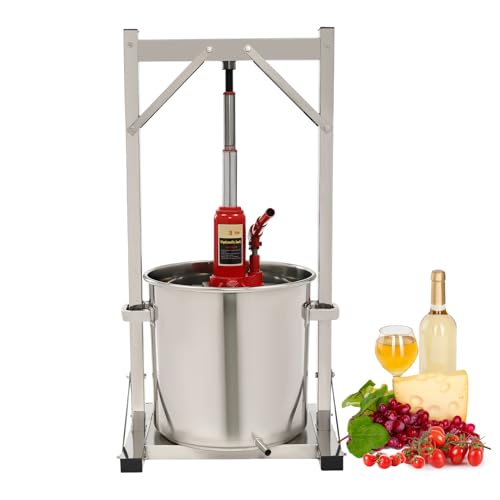
- 5.8-gallon hydraulic capacity
- Removable parts for thorough cleaning
- Stainless-steel construction
Best For: Small wineries and restaurants focused on efficient pressing
Best Grinder-and-Press Combo
30L Hydraulic Cider Press and Grinder

- 7.93-gallon / 30L press capacity
- 550W whole-fruit grinder
- Three tons of hydraulic pressure
Best For: Small producers wanting integrated fruit grinding and pressing
Compact Hydraulic Workhorse
5.8-Gallon Stainless Steel Press
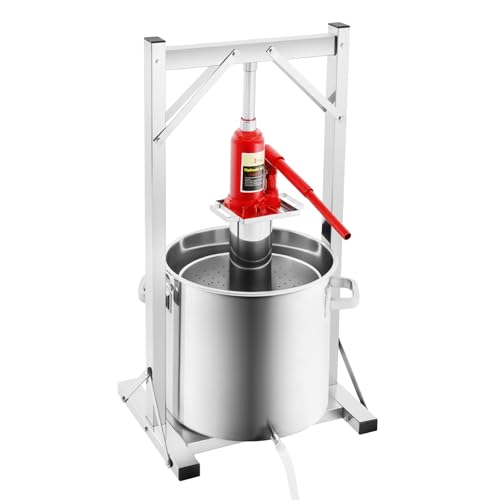
- Hydraulic jack delivers up to 6,613.87 pounds of stated pressure
- Includes 5.81-gallon outer and 2.91-gallon filter buckets
- Compact footprint with reinforced triangular brackets
Best For: Small shops and home-based producers needing hydraulic assistance
Classic Basket Option
4.75-Gallon Wood and Steel Press

- 4.75-gallon manual pressing capacity
- Includes a crusher for hard fruits and vegetables
- Long hand shank and thick press plate support easier pressing
Best For: Small producers preferring a traditional manual basket press
Small-Space Hydraulic Press
22-Liter Stainless Steel Juice Maker

- 22-liter capacity with a separate 2.91-gallon filter bucket
- Hydraulic jack supplies up to 6,613.87 pounds of stated pressure
- Compact design includes a hose and outlet for draining
Best For: Small processors needing batch capacity in limited space
Best Manual Starter
4.75-Gallon Beech Wood Fruit Press

- 4.75-gallon manual capacity
- Beech wood basket and built-in spout
- Quiet, motor-free operation
Best For: Small juice shops and seasonal batch pressing
Best High-Capacity Hydraulic

- 10.6-gallon / 40-liter capacity
- Hydraulic pressure up to 5 tons
- AISI 304 stainless steel juice-contact parts
Best For: Orchards and larger harvest-season batches
Best Mid-Size Hydraulic

- 7.93-gallon / 30-liter capacity
- 3 tons of hydraulic pressure
- Stainless steel juice-contact components
Best For: Small producers needing a balanced hydraulic setup
Best Heritage-Style Pick – American Harvester Double-Tub Cider Press
For small businesses seeking cider presses for small businesses with substantial batch ambitions, this American Harvester model combines an apple grinder and double-tub press. Its hard maple and cast iron construction is designed for long-term use, while two-person operation can produce up to 50 gallons in an afternoon.
Best For: Small cider operations that value high afternoon output and heirloom-style construction.
Pros:
- Apple Eater grinder turns apples into a fine texture for pressing.
- Hard maple and cast iron construction is built for durability.
- Two-person operation can produce up to 50 gallons in an afternoon.
- Double-tub design supports a distinctive, traditional pressing setup.
Cons:
- Two-person operation may require coordinated labor.
- The traditional construction may be less convenient than an electric system.
This is the strongest fit when throughput and long-term, family-heirloom construction matter more than compact portability. Its stated production capacity makes it particularly appealing for a small business processing a significant harvest.
Best Compact Manual Option – 4.8-Gallon Oak Basket Cider Press
This 4.8-gallon manual press is a practical choice for cider presses for small businesses that need a portable, straightforward setup. Its natural oak basket, screw press, and 22-pound fruit capacity suit restaurants, fresh fruit shops, small plants, and occasional production.
Best For: Small shops and restaurants needing a portable manual press for batches of up to 22 pounds.
Pros:
- Large 22-pound capacity can improve efficiency over smaller presses.
- Wide pressure plate is designed to squeeze fruit thoroughly.
- Natural oak construction is untreated, odorless, moisture-proof, and durable.
- Suitable for apples, grapes, berries, distiller’s grains, oil residue, and honeycomb.
Cons:
- Manual operation requires the user to turn the screw press.
- Its 4.8-gallon capacity is smaller than the larger commercial-oriented options.
With a 15-by-15-inch footprint and a 27.6-inch height, this model offers a manageable size for smaller work areas. Choose it when portability and simple operation are more important than maximum batch volume.
Best Hydraulic Stainless-Steel Press – 22L Hydraulic Fruit Wine Press
For businesses comparing cider presses for small businesses, this 22-liter stainless-steel hydraulic press offers a cleanable, productivity-focused alternative to electric equipment. Its manual jack lever, 5.8-gallon capacity, and distributed filter holes are designed for efficient extraction in homes, wineries, and restaurants.
Best For: Small wineries, restaurants, and producers wanting hydraulic pressing with removable, washable parts.
Pros:
- Hydraulic system and 5.8-gallon capacity support efficient pressing.
- Stainless-steel construction is suited to a durable work setup.
- Removable parts can be placed in water for thorough cleaning.
- Can press fruit, honey, chili oil, boiled Chinese herbs, and rice wine.
Cons:
- Manual jack operation still requires hands-on effort.
- It does not include an apple grinder for preparing whole fruit.
The triangular structure, thickened base plate, and straightforward lever controls make this a sensible option when pressing efficiency and cleanup are key considerations. Pairing it with a separate grinder may be necessary for whole apples.
Best Grinder-and-Press Combo – 30L Hydraulic Cider Press and Grinder
This 30-liter combo is a strong candidate among cider presses for small businesses because it combines fruit preparation and pressing in one setup. The 550W grinder makes fine pulp from whole apples, pears, and potatoes, while the hydraulic press applies up to three tons of pressure.
Best For: Small cider producers wanting an integrated grinder and hydraulic press for larger batches.
Pros:
- Includes both a 550W apple grinder and a 30-liter hydraulic press.
- Grinder handles whole apples, pears, and potatoes and makes fine pulp.
- Hydraulic press delivers up to three tons of pressure.
- Stainless-steel structure supports a durable processing setup.
Cons:
- The combo requires more space than a standalone manual press.
- Assembly is required before use.
This is the most complete choice for operators who want to reduce separate equipment steps. Its 7.93-gallon capacity and integrated grinder are well suited to businesses that need more capacity and preparation speed than a small basket press provides.
Compact Hydraulic Workhorse – 5.8-Gallon Stainless Steel Press
For small businesses comparing cider presses for small businesses, this 22-liter stainless steel model offers hydraulic assistance, a separate filter bucket, and a compact footprint. Its manual operation suits shops or home-based producers that need repeatable pressing without relying on electricity.
Best For: Small beverage shops, wineries, and home-based businesses processing moderate fruit batches in limited workspace.
Pros:
- 304 stainless steel construction is corrosion-resistant and designed for straightforward hand washing.
- Hydraulic jack provides up to 6,613.87 pounds of stated pressure to reduce manual fatigue.
- 5.81-gallon outer bucket and 2.91-gallon filter bucket support larger batches.
- Compact 15.16-by-12.4-inch footprint and reinforced triangular brackets support stable placement.
Cons:
- Hand-wash-only care may require more cleanup time after production.
- The press is manual, so loading and operating it still require hands-on work.
This is a practical choice when space and operator fatigue are concerns. The hydraulic mechanism and included filter bucket add useful small-business features without requiring a powered system.
Classic Basket Option – 4.75-Gallon Wood and Steel Press
Among cider presses for small businesses, this classic manual basket press combines a solid wood basket with food-grade stainless steel components and an included fruit crusher. The longer hand shank and phase-in pressing design are intended to make manual operation more manageable.
Best For: Small producers who prefer a traditional manual press and want a crusher for apples, pears, peaches, carrots, and similar produce.
Pros:
- 4.75-gallon capacity is suited to small-batch pressing.
- Longer hand shank is designed to reduce the effort required during operation.
- Thicker press plate and larger stressed area are intended to improve juice extraction.
- Includes a crusher designed for hard fruits and vegetables.
Cons:
- Manual operation requires continuous physical effort and does not offer hydraulic assistance.
- The supplied notes specify hand-wash-only care.
- Its wood-and-steel construction may appeal less to buyers seeking an all-stainless setup.
This model fits businesses that value a straightforward, portable, traditional workflow. Its included crusher is useful when you need to prepare hard produce before pressing, while the 4.75-gallon capacity keeps batches manageable.
Small-Space Hydraulic Press – 22-Liter Stainless Steel Juice Maker
This 22-liter hydraulic model is a strong contender among cider presses for small businesses that need batch capacity without a large equipment footprint. It uses food-safe 304 stainless steel, a separate filter bucket, and a hose-and-outlet design for easier liquid draining.
Best For: Small-scale processors and beverage businesses working with fruits, vegetables, wine, cheese, honey, or puree in compact production areas.
Pros:
- Food-safe 304 stainless steel construction is corrosion-resistant and easy to clean by hand.
- Hydraulic jack provides up to 6,613.87 pounds of stated maximum pressure.
- 5.81-gallon outer bucket and 2.91-gallon filter bucket reduce the need for frequent refilling.
- Compact footprint, reinforced brackets, and hose outlet support stable, convenient operation.
Cons:
- Hand-wash-only care may be slower for frequent production cycles.
- It remains a manual press, despite the hydraulic assistance.
Choose this press if efficient batch handling and liquid transfer matter more than fully automated processing. Its compact design and hydraulic jack make it well suited to small facilities with limited room and recurring pressing tasks.
Best Manual Starter – 4.75-Gallon Beech Wood Fruit Press
For small businesses seeking cider presses for small businesses without a motor, this 4.75-gallon manual model offers a compact, quiet way to process apples, grapes, and berries. Its beech wood basket, built-in pour spout, and optional foot mounting support practical seasonal use.
Best For: Small juice shops, family-scale production, and seasonal fruit or wine making.
Pros:
- Manual operation requires no motor and helps keep use quiet.
- Solid red beech basket is designed for moisture and wear resistance.
- Built-in pour spout and removable basket design simplify collection and pulp removal.
- Optional screw holes in the feet can help secure the stand during pressing.
Cons:
- Its 4.75-gallon capacity is smaller than the hydraulic alternatives.
- Manual pressing requires operator effort for each batch.
- Hand-wash-only care may add cleanup time.
This press is a sensible entry point when quiet operation, straightforward handling, and a smaller footprint matter more than maximum throughput.
Best High-Capacity Hydraulic – 10.6-Gallon 5-Ton Fruit Press
For small businesses that need cider presses for small businesses with higher batch capacity, this 10.6-gallon hydraulic press uses 5 tons of pressure to squeeze substantial loads at once. Stainless steel juice-contact parts and an adjustable collection tray add practical value for repeated processing.
Best For: Orchards, harvest-season production, and small operations handling larger batches.
Pros:
- 10.6-gallon capacity supports larger batches than the smaller models.
- Hydraulic jack provides up to 5 tons of pressure.
- AISI 304 stainless steel basket, pressing plate, and juice tray resist acidic juice.
- Adjustable tray height and a 90-degree-turning beam help with loading and container placement.
Cons:
- At 85 pounds, it is comparatively heavy to move.
- Its larger frame requires more storage and operating space.
- The hydraulic system is more involved than a simple manual screw press.
Choose this model when throughput and strong pressing force are priorities, particularly if your operation regularly processes orchard or harvest-season fruit.
Best Mid-Size Hydraulic – 7.93-Gallon 3-Ton Fruit Press
This 7.93-gallon hydraulic model is a balanced option for small businesses comparing cider presses for small businesses. It combines a moderate batch size with 3 tons of pressure, stainless steel juice-contact components, and a powder-coated frame built for repeated seasonal use.
Best For: Small producers wanting more capacity and leverage than a basic manual press without moving to the largest model.
Pros:
- 7.93-gallon capacity suits medium-sized batches.
- Three tons of hydraulic pressure supports efficient juice extraction.
- AISI 304 stainless steel tray, basket, and pressing plate contact the juice.
- Powder-coated frame provides a durable protective covering.
Cons:
- Its 3-ton rating is lower than the 5-ton model.
- At 66 pounds, it may still require a dedicated setup area or assistance to reposition.
- It offers less capacity than the 10.6-gallon press.
This is a practical middle-ground choice for operations that need hydraulic assistance and stainless contact parts while keeping capacity and overall size below the largest option.
How We Picked These Cider Presses for Small Businesses
We focused on equipment that could support regular small-batch production rather than occasional household use. The selection includes capacities from approximately 4.75 gallons to 10.6 gallons, along with manual and hydraulic designs. We also considered juice-contact materials, pressing force, basket construction, stability, ease of cleaning, and whether a grinder is included.
Because business needs vary, no single press is ideal for every operation. A compact manual model may be the better choice for direct-to-consumer demonstrations, while a hydraulic press can reduce effort and improve consistency during larger harvests.
Quick Comparison
| Best For | Recommended Type | Why It Matters |
|---|---|---|
| Small seasonal batches | Manual basket press | Lower upfront cost and simple operation |
| Higher-volume processing | Hydraulic press | More consistent pressure with less operator effort |
| Faster orchard workflow | Press with grinder | Combines fruit preparation and pressing |
| Frequent commercial cleaning | Stainless-steel contact parts | Durable, hygienic, and easier to sanitize |
Key Buying Factors
Capacity and Throughput
Basket capacity determines how much fruit you can process per cycle, but cycle time matters just as much. A larger press is useful only if you have enough prepared fruit and space to load, unload, and clean it efficiently. For small businesses, compare the press size with your expected harvest and staffing.
Manual or Hydraulic Operation
Manual presses are straightforward and often affordable, but they require more physical effort. Hydraulic models can apply greater, more even pressure and are usually better suited to repeated batches. Check the stated pressure rating, pump design, and whether the hydraulic components are protected from juice and wash water.
Materials and Sanitation
Look for food-safe construction and clearly identified juice-contact materials. Stainless steel is generally practical for frequent cleaning, while wood baskets can work well when properly maintained. Removable screens, trays, and filter components can make sanitation faster and reduce residue buildup.
Grinding and Fruit Preparation
A press cannot compensate for poorly prepared fruit. If you do not already own a grinder, a combination unit may simplify the workflow and save floor space. Confirm the grinder’s motor power, hopper size, safety features, and compatibility with the types of apples, grapes, or berries you plan to process.
Stability, Space, and Support
A heavy-duty stand and stable base are important when applying pressure. Measure your available floor and storage space, including room for buckets and drainage. Also verify replacement parts, assembly instructions, warranty coverage, and the availability of baskets, filters, seals, and hydraulic components.
Who Should Buy Which Cider Presses for Small Businesses?
Choose a compact manual press if you produce limited seasonal quantities, need portability, or want an economical entry point. These models are also useful for farm demonstrations and small tasting operations.
Choose a hydraulic press if you expect repeated batches, want to reduce operator fatigue, or need more consistent extraction. Larger 30L and 40L designs are better suited to orchards, cideries, and businesses processing substantial harvests.
Choose a grinder-and-press combination if workflow speed and limited equipment space are priorities. For frequent commercial use, prioritize stainless-steel juice-contact parts, easy cleaning, and dependable access to replacement components over the lowest purchase price.