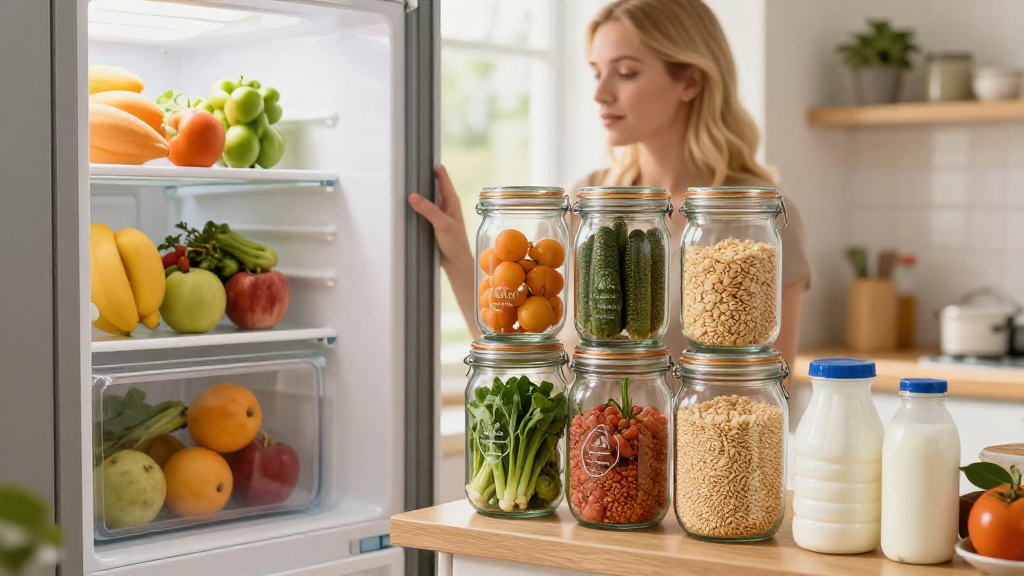
Understanding food storage guidelines by food type is vital for maintaining food quality, extending shelf life, and ensuring safety. Proper storage methods can differentiate between fresh, safe food and spoiled items that can lead to foodborne illnesses.
In this article, we’ll explore how these guidelines vary based on different types of food, offering practical tips to help you manage your pantry and fridge effectively.
What Are the General Food Storage Guidelines?
Before we dive into the specifics of each food type, let’s outline some basic food storage rules:
-
Temperature Control:
– Keep your refrigerator at 32°F to 40°F (0°C to 4°C).
– Maintain your freezer at 0°F (-18°C) or lower. -
Avoid Cross-Contamination: Use separate cutting boards for raw meats and vegetables.
-
Use Airtight Containers: Store food in airtight containers to keep moisture and pests at bay.
-
Label and Date Items: Clearly label items with purchase dates to monitor freshness.
By adhering to these general guidelines, you can better understand how food storage guidelines by food type can differ.
How Do Food Storage Guidelines Differ for Vegetables?
When it comes to vegetables, different types have distinct storage needs:
- Root Vegetables (e.g., carrots, potatoes):
- Store in a cool, dark place, away from sunlight.
-
Keep them in a breathable bag, like burlap or paper.
-
Leafy Greens (e.g., spinach, lettuce):
- Refrigerate immediately in a loose bag.
-
Wash them only before consumption to maintain freshness.
-
Cruciferous Vegetables (e.g., broccoli, cauliflower):
- Store in the refrigerator in a perforated plastic bag.
- Consume within a few days for optimal freshness.
Key Points for Vegetable Storage
- Refrigeration is crucial for maintaining the freshness of most veggies.
- Humidity controls can impact longevity, especially for leafy greens.
How Do Food Storage Guidelines Vary for Fruits?
Fruits have varied storage requirements similar to vegetables. Here’s how different fruits should be stored:
- Berries (e.g., strawberries, blueberries):
- Refrigerate in their original packaging or a ventilated container.
-
Do not wash until ready to eat to prevent mold.
-
Citrus Fruits (e.g., oranges, lemons):
- Keep at room temperature for a few days.
-
Refrigerate for extended freshness after that.
-
Tropical Fruits (e.g., bananas, pineapple):
- Allow to ripen at room temperature.
- Refrigerate after they reach the desired ripeness.
Key Points for Fruit Storage
- Monitor ripeness daily for items that continue to ripen.
- Keep fruits and vegetables separate to prevent spoilage.
How Do Food Storage Guidelines Change for Grains?
When considering grains, storage methods differ widely based on whether they are whole or processed:
- Whole Grains (e.g., brown rice, quinoa):
- Store in a cool, dry place in airtight containers.
-
Refrigeration can extend shelf life due to higher oil content.
-
Processed Grains (e.g., white rice, pasta):
- Keep in a dry pantry; they often do not require refrigeration.
- Ensure packaging is intact and stored away from moisture.
Key Points for Grain Storage
- Airtight containers can prevent pest infestations.
- Moisture is detrimental to both whole and processed grains.
How Do Food Storage Guidelines Vary for Dairy Products?
Dairy products are highly perishable and need proper care:
- Milk:
- Always refrigerate at temperatures below 40°F (4°C).
-
Store in the original container to limit exposure to light.
-
Cheese:
- Most cheeses can be stored in their wrappers; however, hard cheeses last longer.
-
Wrap soft cheeses in wax paper before refrigerating.
-
Yogurt:
- Keep it in the fridge and consume before the expiration date.
- Store opened containers tightly sealed.
Key Points for Dairy Storage
- Temperature is critical to maintaining freshness.
- Regularly check expiration dates to ensure quality.
What About Meat and Poultry Storage Guidelines?
For meats and poultry, specific storage methods are essential to prevent spoilage:
- Raw Meat (e.g., beef, poultry):
- Store in the coldest part of the refrigerator and use within 1-2 days.
-
Alternatively, freeze to extend shelf life for 3-4 months.
-
Cooked Meat:
- Refrigerate leftovers within two hours.
- Consume leftovers within 3-4 days, or freeze for longer storage.
Key Points for Meat Storage
- Always keep meats in separate containers to avoid cross-contamination.
- Thaw meat in the refrigerator, never at room temperature.
How Do Food Storage Guidelines Vary for Canned and Packaged Foods?
Canned and packaged foods have different guidelines that are essential for consumers:
- Canned Goods:
- Store in a cool, dry location; ensure cans are intact and free from rust.
-
Check expiration dates regularly; most have a long shelf life but vary by product.
-
Packaged snacks (e.g., chips, crackers):
- Keep packages sealed and in a dry environment.
- Once opened, transferring to airtight containers can preserve freshness.
Key Points for Canned and Packaged Food Storage
- Check for bulging or rust for canned foods.
- Seal tightly once opened for packaged items to avoid staleness.
Conclusion: Why Adhering to Food Storage Guidelines by Food Type is Important
In conclusion, understanding food storage guidelines by food type is an essential practice.
By following the advice tailored to each category—vegetables, fruits, grains, dairy, meat, and canned goods—you can significantly enhance food safety and reduce waste.
Implement these strategies in your kitchen to ensure optimal storage and longevity for your food items.
For anyone looking to minimize spoilage and maximize freshness, a thoughtful approach to food storage can make all the difference.