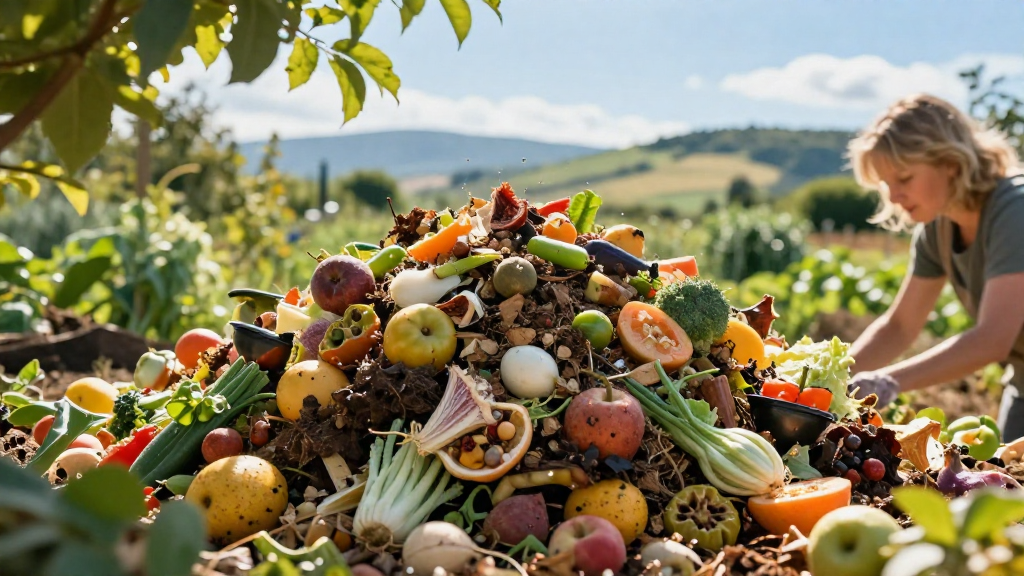
Food waste and climate change are intricately connected.
As we delve into the dynamics of how discarded food contributes to environmental degradation, it becomes crucial to understand the bigger picture.
What is the Relationship Between Food Waste and Climate Change?
Food waste and climate change share a direct and significant relationship.
When we throw away food, we are not just wasting the nutrient value of that food but also contributing to greenhouse gas emissions.
Here’s how:
-
Decomposition of Food: When food waste ends up in landfills, it decomposes anaerobically, producing methane – a greenhouse gas far more potent than carbon dioxide.
-
Resource Wastage: Food production consumes a myriad of resources, including water, energy, and land. Wasting food means wasting these precious resources, amplifying the overall environmental impact.
-
Transportation Emissions: The journey of food from farm to plate incurs significant fossil fuel usage. The more food we waste, the greater the emissions associated with its transportation.
-
Waste Management: The handling, processing, and disposal of food waste lead to further emissions, often resulting from energy-intensive processes.
The interconnectedness of food waste and climate change must not be overlooked in our efforts to mitigate environmental damage.
How Much Food is Wasted Globally?
Understanding the scope of food waste is imperative in grasping its impact on climate change.
According to the Food and Agriculture Organization (FAO), approximately 1/3 of all food produced globally is wasted. That’s about 1.3 billion tons each year!
Where does this waste occur?
-
Household Level: Individuals often dispose of food due to poor meal planning, spoilage, or simply misjudging portion sizes.
-
Retail Level: Supermarkets discard perfectly edible produce because they do not meet aesthetic standards.
-
Production Level: Farmers sometimes leave crops unharvested due to low market prices or labor issues.
What Are the Environmental Impacts of Food Waste?
The environmental consequences of food waste are profound and multifaceted.
-
Greenhouse Gas Emissions: As we discussed earlier, the decomposition of food waste leads to methane emissions. This is a major contributor to climate change.
-
Resource Depletion: Food waste implies the wastage of water and land used in agriculture. It also represents a squandered opportunity for energy that could have powered homes and communities.
-
Biodiversity Loss: The need for more agricultural land to produce unnecessary food can lead to deforestation and habitat loss, threatening wildlife and local ecosystems.
-
Soil Degradation: Unsustainable agricultural practices, driven by the demand for more food, often lead to soil erosion and degradation.
Can Reducing Food Waste Mitigate Climate Change?
Absolutely, reducing food waste can play a vital role in addressing climate change.
-
Cutting Methane Emissions: By significantly reducing the amount of food that ends up in landfills, we can decrease methane emissions.
-
Conserving Resources: Reducing food production minimizes the use of water, land, and energy resources needed to grow, transport, and process food.
-
Promoting Sustainable Practices: Encouraging practices aimed at reducing waste can lead to more sustainable agricultural practices that support biodiversity and healthier ecosystems.
-
Educating Consumers: Increasing awareness about food waste can empower consumers to make more informed decisions and reduce waste in their own households.
What Are Practical Steps to Reduce Food Waste?
There are numerous strategies that can be implemented to reduce food waste and, by extension, combat climate change.
-
Plan Your Meals: Meal planning encourages the purchase of only necessary items, helping to avoid over-buying.
-
Proper Storage: Knowing how to store food appropriately can significantly extend its shelf life. For example, store perishables in the right conditions to maintain freshness.
-
Use Leftovers Wisely: Be creative with leftover food. Transforming them into new meals can significantly reduce waste.
-
Compost: If you do have food waste, consider composting it instead of sending it to the landfill. Composting reduces methane emissions and returns nutrients to the soil.
-
Educate and Advocate: Share your knowledge about food waste and climate change with friends and family. Advocacy for local organizations addressing food waste can also amplify your impact.
How Do Governments and Organizations Address Food Waste and Climate Change?
Numerous initiatives worldwide are focused on reducing food waste and its impact on climate change.
-
Legislation: Many countries have implemented policies aimed at reducing food waste. This includes regulations on date labeling and food donation incentives.
-
Awareness Campaigns: Governments and non-profits are running campaigns to educate the public about the consequences of food waste and promote sustainable practices.
-
Partnerships with Retailers: Collaborations with food retailers help them donate surplus food rather than discarding it, which can significantly decrease waste.
-
Research and Innovation: Continued research into food preservation techniques and waste reduction strategies is vital. Innovative solutions can help tackle the issue at multiple levels.
Conclusion: Why You Should Care About Food Waste and Climate Change
Food waste and climate change are interconnected challenges that require immediate attention and action.
By understanding how food waste contributes to environmental degradation, individuals can take steps to make a significant impact.
Reduce, reuse, and recycle in the context of food can lead us towards a more sustainable future.
Small changes in our daily habits can collectively lead to massive reductions in food waste, ultimately benefiting the planet.
Join the fight against food waste and climate change today. Make a conscious effort in your home, advocate for policies that promote waste reduction, and support local initiatives aimed at addressing these critical issues. Together, we can create a more sustainable world for future generations.