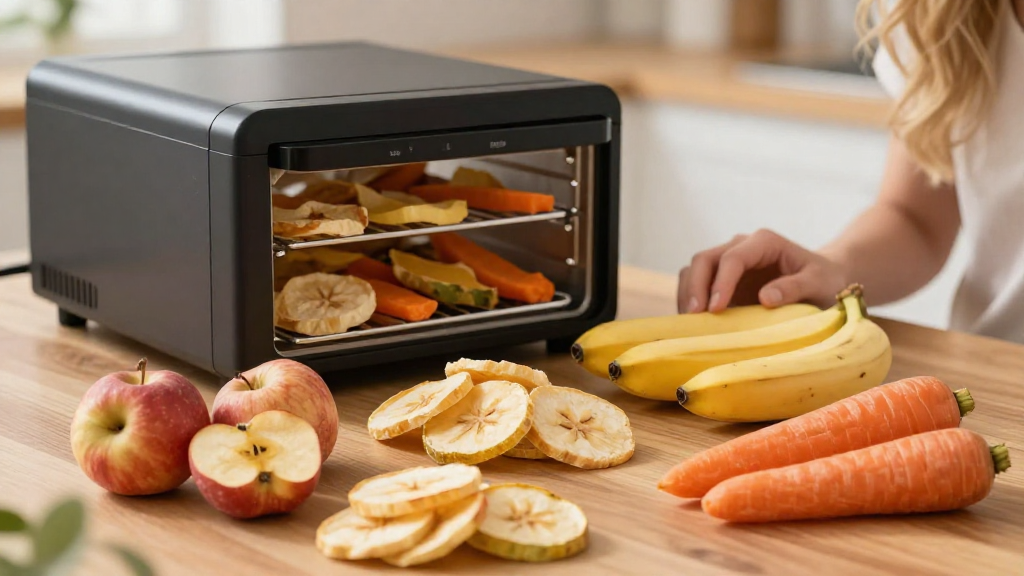
When it comes to preserving food, many people find themselves asking, “How does food dehydration compare to freeze drying?”
This article delves into the differences, benefits, and considerations of each method to help you make informed decisions for your food preservation needs.
What is Food Dehydration?
Food dehydration is a process that removes moisture from food.
The primary goal is to inhibit the growth of bacteria, yeasts, and molds that can lead to spoilage.
How Does Food Dehydration Work?
The process of food dehydration involves the following steps:
-
Preparation: Fresh fruits, vegetables, or meats are washed and cut into uniform pieces for even drying.
-
Drying: The food is exposed to low heat and a continuous flow of air, typically using a dehydrator or an oven.
-
Cooling: Once the moisture is removed, the food is cooled and then either stored or packaged.
The final result is a concentrated version of the original food, lightweight and shelf-stable for extended periods.
What is Freeze Drying?
Freeze drying, also known as lyophilization, is a more advanced preservation method.
It involves freezing the food and then removing moisture through a vacuum process.
How Does Freeze Drying Work?
The process of freeze drying includes the following stages:
-
Freezing: The food is rapidly frozen at extremely low temperatures, which preserves cellular structure.
-
Primary Drying: Under vacuum conditions, ice sublimates directly into vapor, leaving the food dehydrated.
-
Secondary Drying: Further drying occurs to remove any remaining moisture for optimal preservation.
This method retains the original shape, texture, and flavor of the food, resulting in a higher-quality final product.
How Do Food Dehydration and Freeze Drying Compare?
When examining food dehydration vs freeze drying, several factors come into play, including nutritional value, preservation time, flavor, and texture.
What Are the Nutritional Differences?
Both methods aim to concentrate nutrients, but their impact varies:
-
Food Dehydration: Some vitamins, particularly vitamin C and some B vitamins, may be lost during the drying process due to heat exposure.
-
Freeze Drying: This method retains a higher percentage of vitamins and minerals, leading to better overall nutritional value in the final product.
Which Method is More Effective in Preservation?
Food dehydration vs freeze drying can result in differing shelf lives for preserved foods:
-
Food Dehydration: Products generally last 1 to 2 years if stored properly in a cool, dark place.
-
Freeze Drying: Freeze-dried foods can last up to 25 years when sealed and stored correctly, making them ideal for long-term food storage, such as in emergency preparedness kits.
How Do Flavor and Texture Compare?
When it comes to flavor and texture, each method has its advantages:
-
Food Dehydration: The drying process can sometimes lead to a chewier texture and more concentrated flavors that may intensify the taste since moisture often dilutes flavors.
-
Freeze Drying: This method preserves the original texture and flavor profiles of the food. For instance, freeze-dried strawberries retain their shape and provide a burst of real strawberry flavor when rehydrated.
What Are the Costs Involved?
Investing in food preservation methods can vary significantly based on the technique chosen:
-
Cost of Dehydrators: A decent food dehydrator can cost anywhere from $50 to $300, with more advanced equipment reaching higher prices. However, the electricity cost for operation is generally low.
-
Cost of Freeze Dryers: Freeze-drying machines are significantly more expensive, ranging from $2,000 to $5,000.
Though the initial investment is higher, freeze dryers can produce larger volumes of food with long-term benefits.
Are There Food Compatibility Differences?
Which method works best depends on the type of food being preserved:
-
Suitable for Dehydration: Fruits, vegetables, herbs, and meats (jerky) generally do well with dehydration. They have less moisture content, which allows for effective preservation.
-
Suitable for Freeze Drying: Almost any food, including complete meals, can be freeze-dried. This method is particularly beneficial for soups, stews, and even desserts, as it captures the food’s original moisture content without compromising quality.
What Are the Storage Requirements?
Storage also plays a role in choosing between food dehydration vs freeze drying:
-
Storage for Dehydrated Foods: Store in airtight containers and avoid moisture. Vacuum sealing can further increase shelf life.
-
Storage for Freeze-Dried Foods: They should also be kept in airtight, vacuum-sealed bags or containers away from light and moisture.
What Are the Environmental Impact and Energy Use?
Both methods have environmental implications, ranging from energy consumption to sustainability:
-
Food Dehydration: Generally requires less energy than freeze drying and is often viewed as the more environmentally friendly option.
-
Freeze Drying: This method consumes more energy as it requires advanced machinery and vacuum conditions, but it offers greater longevity for food storage.
Conclusion: Which Method Should You Choose?
Ultimately, the decision between food dehydration vs freeze drying depends on your specific needs and preferences.
If you are looking for a cost-effective method for preserving fruits and snacks, food dehydration might be your best bet.
On the other hand, if you are interested in long-term food storage with higher quality and nutrition retention, freeze drying is the superior choice.
Final Thoughts
Both methods of food preservation have their own unique advantages.
Understanding the differences and benefits allows you to make the right choice tailored to your lifestyle, dietary preferences, and storage needs.
Make an informed decision and ensure your food stays delicious and nutritious for years to come!