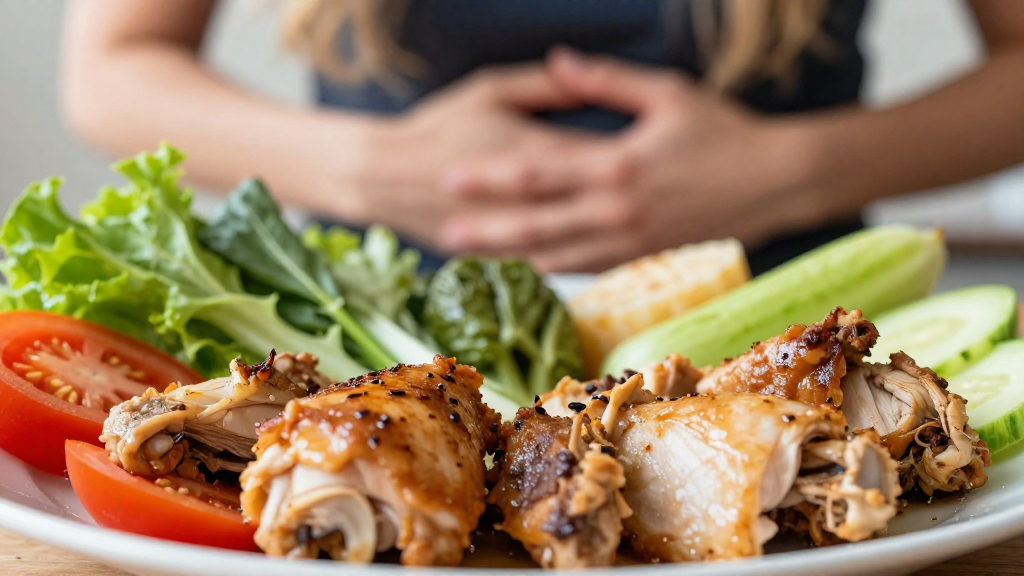
Foodborne pathogens and symptoms related to them are crucial topics to understand for anyone who handles or consumes food. These pathogens can cause a variety of illnesses, and their symptoms may vary based on the type of infection.
What Are Foodborne Pathogens?
Foodborne pathogens are microorganisms, mainly bacteria, viruses, and parasites, that cause illness when ingested. They can contaminate food at any stage of the supply chain, from production to cooking and serving. The most common foodborne pathogens include:
- Salmonella
- E. coli
- Listeria
- Norovirus
- Campylobacter
Understanding these pathogens is essential in recognizing their symptoms and taking preventive measures.
What Are the Common Symptoms of Foodborne Pathogens?
The symptoms of foodborne illnesses can vary significantly depending on the type of pathogen involved. While some may experience very mild symptoms, others might face severe health issues. Here are some common symptoms associated with foodborne pathogens:
1. Nausea and Vomiting
Nausea is often one of the first symptoms indicating a foodborne illness. This symptom can be accompanied by vomiting, which helps the body expel the harmful pathogens.
- Causes: Common with pathogens like Norovirus and Salmonella.
- Duration: Symptoms usually last a few hours to a couple of days.
2. Diarrhea
Diarrhea is a prevalent symptom of foodborne pathogens. It can be either watery or bloody, depending on the severity of the infection.
- Causes: Frequently associated with E. coli, Campylobacter, and Listeria infections.
- Duration: Can last from 1 to 10 days, depending on treatment.
3. Abdominal Pain and Cramps
Many individuals report abdominal discomfort when dealing with foodborne pathogens.
- Symptoms: Pain may be sharp and cramping, often correlating with diarrhea.
- Causes: Can occur from infections like Salmonella and E. coli.
4. Fever and Chills
Some foodborne illnesses can lead to systemic symptoms like fever, chills, and general malaise.
- Causes: Common in bacterial infections such as Salmonella and Listeria.
- Symptoms: Mild fever may be experienced, but in severe cases, high fever is possible.
5. Muscle Aches and Fatigue
As the body tries to fight off the infection, many individuals may experience muscle aches and overall fatigue.
- Causes: Predominantly seen in viral infections like Norovirus.
- Symptoms: Fatigue can be accompanied by joint pain in severe cases.
6. Headaches
Dehydration from diarrhea and vomiting can often lead to headaches in individuals suffering from foodborne pathogens.
- Causes: E. coli and Listeria infections often present with headaches.
- Symptoms: Frequent and persistent headaches may indicate a more severe case.
What Are Long-term Symptoms of Foodborne Pathogen Infections?
While many symptoms are short-lived, some foodborne pathogens can lead to long-term effects. This may include:
- Irritable Bowel Syndrome (IBS): Following some infections, individuals may experience continued digestive issues.
- Kidney Damage: Severe cases of E. coli may lead to life-threatening complications that affect kidney function.
- Guillain-Barré Syndrome: A rare neurological disorder can be triggered by Campylobacter infection.
How Are Foodborne Pathogen Symptoms Diagnosed?
Diagnosing symptoms related to foodborne pathogens involves several steps:
- Medical History Assessment: The healthcare provider will inquire about symptoms, onset, and consumption of questionable food.
- Physical Examination: A thorough examination may reveal indicators of dehydration and other symptoms.
- Laboratory Tests: Stool samples can be analyzed to detect specific pathogens causing the symptoms.
When Should You Seek Medical Attention for Foodborne Pathogen Symptoms?
It’s essential to monitor your symptoms closely.
Seek medical assistance if you experience:
- Severe dehydration: Symptoms include excessive thirst, dry mouth, or decreased urination.
- Prolonged diarrhea: Lasting over three days, especially if accompanied by fever.
- Severe abdominal pain: Pain that is intense and does not improve.
- Visual symptoms: Signs such as bloody diarrhea or high fever exceeding 101.5°F (38.6°C).
How Are Foodborne Pathogen Symptoms Treated?
Treatment primarily focuses on relieving symptoms and preventing dehydration. Here are some common approaches:
- Rehydration: Oral rehydration solutions and electrolyte drinks help restore lost fluids.
- Dietary Modifications: A bland diet may be recommended until symptoms improve.
- Medications: Over-the-counter medications may alleviate symptoms, but antibiotics might be necessary for severe bacterial infections.
What Precautions Can Be Taken to Avoid Foodborne Pathogens?
Understanding the symptoms of foodborne pathogens is critical, but taking preventive measures is just as essential. Here are some tips to minimize your risk:
- Wash Hands: Always wash your hands before handling food.
- Cook Food Thoroughly: Ensure all meats and eggs are cooked to their recommended temperatures.
- Refrigerate Promptly: Store leftovers in the refrigerator within two hours of cooking.
- Avoid Cross-Contamination: Use separate cutting boards for raw and cooked food items.
Conclusion: Why is Knowledge of Foodborne Pathogens and Symptoms Crucial?
Being informed about foodborne pathogens and symptoms is vital for both food safety and personal health.
Recognizing the signs early can lead to timely medical intervention and potentially save lives.
Always remember to practice good hygiene, follow safe food handling guidelines, and remain vigilant about the foods you consume.
By doing so, you can significantly reduce your risk of foodborne illnesses and enjoy your meals worry-free.