Understanding what you consume is critical for maintaining good health.
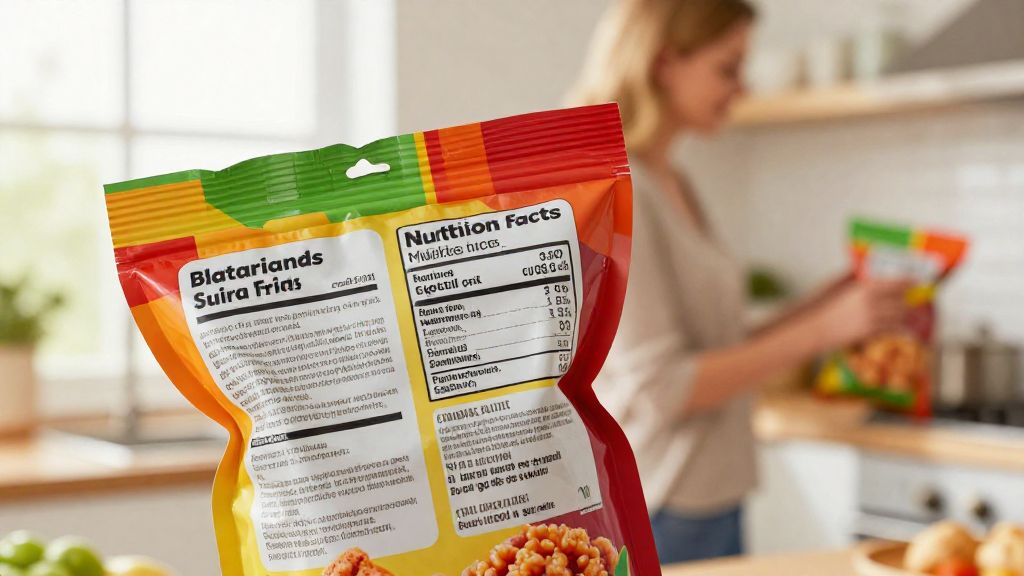
This article provides a comprehensive food label example explained so that you can easily navigate food packaging.
By breaking down different components of a food label, you’ll be more informed about your dietary choices.
What Should You Look For on a Food Label Example Explained?
1. Serving Size: Why Does It Matter?
The serving size is paramount when analyzing a food label.
It indicates the amount of food typically consumed in one sitting and serves as a baseline for all other nutritional information on the label.
For instance, if a snack has a serving size of 1 ounce but you eat 3 ounces, you must adjust the nutritional values accordingly.
2. Calories: What Do They Tell You?
Calories are a measure of the energy provided by a food.
Here’s how to examine the calorie information:
- Check the number of calories per serving.
- Determine how this fits into your daily caloric needs.
This aspect is crucial for those trying to manage weight.
3. Nutritional Breakdown: What Are You Eating?
The nutritional profile provides information on proteins, fats, carbohydrates, and micronutrients.
-
Total Fat: This includes saturated and trans fats. Aim for foods low in these unhealthy types of fat.
-
Cholesterol and Sodium: Keep an eye on these as excessive amounts can lead to health issues.
-
Total Carbohydrates: This section typically includes dietary fiber, sugars, and net carbs.
Look for foods high in fiber to assist with digestion.
4. Ingredients List: What’s Really Inside?
The ingredients list displays everything that is included in the food item.
Here are a few important aspects to consider:
-
Order of Ingredients: Ingredients are listed in descending order by weight. This means the first ingredient is the most prominent.
-
Know Your Additives: Be familiar with common additives, preservatives, and allergens. If you spot something you don’t recognize, it’s worth researching.
-
Natural vs. Artificial: Pay attention to whether ingredients are sourced naturally or synthetically produced.
5. Nutritional Claims: Are They Misleading?
Many food products boast health claims such as “low-fat” or “high in fiber.”
However, it’s crucial to analyze these claims critically:
-
Understand Definitions: For example, “low-fat” means less than 3 grams of fat per serving.
Ensure that the claim aligns with your dietary needs. -
Check the Serving Size: Sometimes the claims are based on a tiny serving size, so be wary when adjusting for realistic consumption.
How to Use a Food Label Example Explained for Meal Planning?
1. Assess Your Dietary Needs: What’s Right for You?
Before diving into meal planning, evaluate your individual nutritional requirements.
Consider factors like age, sex, activity level, and any specific health goals you have.
2. Make Healthier Choices: How to Apply What You Learned?
With the knowledge gained from analyzing food label examples, you can now make informed decisions.
Here’s how:
-
Opt for Whole Foods: Choose foods with fewer ingredients, especially if they are whole and unprocessed.
-
Watch Portion Sizes: Use serving sizes as a guide to help maintain balanced portions.
-
Mix and Match: Combine foods to ensure a balanced meal by incorporating proteins, carbohydrates, and healthy fats.
Conclusion: Why Is Analyzing a Food Label Important?
The ability to analyze a food label effectively empowers you to make healthier food choices.
Each component, from serving size to the ingredients list, offers critical information that can shape your diet and lifestyle.
By utilizing the food label example explained in this article, you can cultivate a more informed approach to nutrition.
The more you know about what you eat, the better equipped you are to maintain a healthy lifestyle that suits your individual needs.
So next time you’re shopping, take the time to read and analyze those food labels!