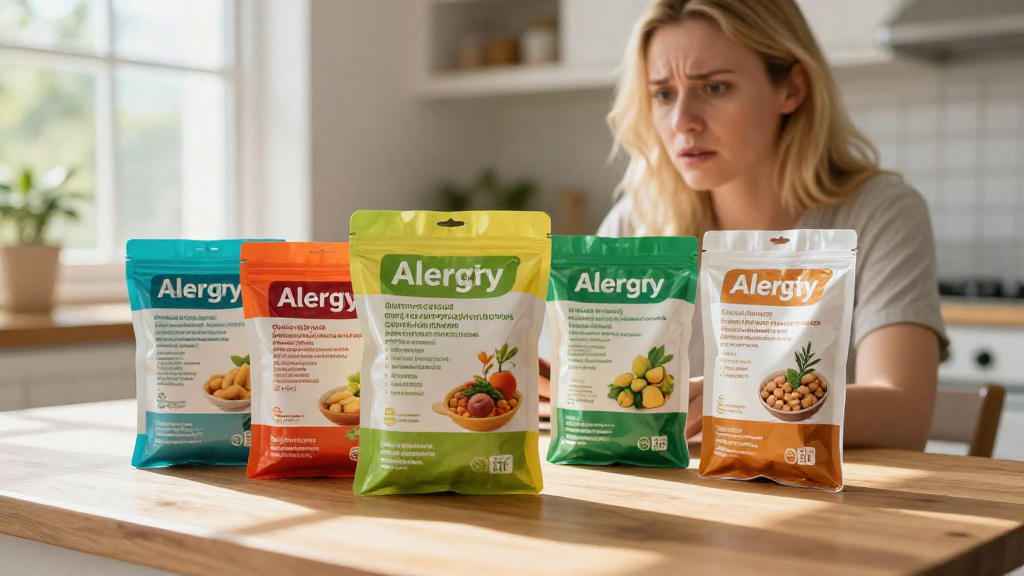
Food labels and allergies go hand in hand, playing a vital role in safeguarding consumers from harmful reactions.
Understanding how food labels can effectively prevent allergic reactions is crucial for anyone dealing with food allergies.
In this article, we will explore the relationship between food labels and allergies, delving into how proper labeling can protect individuals and the responsibilities of food manufacturers.
What Are Food Allergies?
Food allergies occur when the body’s immune system mistakenly identifies a certain food protein as a threat.
The common culprits include:
- Peanuts
- Tree nuts
- Fish
- Shellfish
- Eggs
- Milk
- Soy
- Wheat
Reactions can range from mild symptoms like hives to severe conditions such as anaphylaxis, which can be life-threatening.
This makes it essential for anyone with food allergies to be vigilant about what they consume.
How Do Food Labels Help with Allergic Reactions?
Food labels and allergies are intertwined, primarily because food labels provide detailed information about the ingredients in each product.
- Ingredient Lists:
The most critical section on any food label is the ingredient list.
This list informs consumers about what is inside the product.
Food manufacturers are legally obligated to list all ingredients, including allergens, prominently.
This information allows those with allergies to avoid dangerous products.
- Allergen Statements:
Many products include “may contain” or “produced in a facility that processes” statements.
These advisories inform consumers about possible cross-contamination, offering insight into manufacturing practices.
For example:
- “May contain traces of peanuts”
- “Processed in a facility that also handles tree nuts”
These statements are essential for those with severe allergies, helping them make safer choices.
- Allergy Symbols:
Some brands utilize visual symbols or icons on their packaging to indicate the presence of common allergens.
These icons can make it quicker and easier for consumers to identify potential risks.
- Nutritional Information:
Food labels also provide nutritional details, including the source of various ingredients.
For example, knowing that a product contains hydrolyzed soy protein or monosodium glutamate (MSG) can help alert consumers to potential allergies that might not be obvious from the name alone.
What Should You Look for on Food Labels?
When reading food labels, it is crucial to be attentive to specific details that relate to food labels and allergies.
Here are some tips:
- Read the Entire Ingredient List:
Don’t settle only for the front label.
Ensure that the complete list doesn’t contain any allergens.
- Check for Allergen Warnings:
Always look for statements like “Contains wheat” or “Made in a facility that handles peanuts”.
These statements are designed to ensure your safety.
- Familiarize Yourself with Different Names:
Some allergens may appear under different names.
For instance, casein is a milk protein that may not be immediately recognizable.
- Stay Updated:
Manufacturers sometimes change ingredients and formulations.
Always check the labels, even for familiar products.
Are There Regulations Governing Food Labels and Allergies?
Yes, there are specific regulations to ensure that food labels accurately reflect allergenic ingredients.
In the United States, the Food Allergen Labeling and Consumer Protection Act (FALCPA) mandates that food labels must clearly indicate the presence of the top eight allergens.
These regulations help create a uniform standard for food manufacturers and protect consumers from potential allergic reactions.
What are the Top 8 Allergens?
As previously mentioned, the top eight allergens include:
- Peanuts
- Tree nuts
- Fish
- Shellfish
- Eggs
- Milk
- Soy
- Wheat
These allergens represent approximately 90% of all allergy-related food reactions.
Can Food Labels Change?
Yes, food labels can change, and it is essential for consumers to stay informed.
Manufacturers may alter their ingredients based on availability, cost, or formulation changes.
Additionally, businesses may improve their practices, leading to enhanced transparency regarding allergens.
How Often Should You Check Labels?
-
For New Products: Always check labels when trying new brands or products.
-
When Ingredients Change: If a product you usually buy has a new look or branding, check the labels again.
-
After a Food Allergy Diagnosis: Stay updated on all products that you consume, especially newly diagnosed food allergies.
What Role Do Manufacturers Play?
Food manufacturers have a responsibility to ensure that their products are accurately labeled.
They must conduct thorough checks to avoid cross-contamination and ensure that allergenic ingredients are listed correctly.
Failure to comply can result in severe consequences, including allergic reactions and legal ramifications.
Why is Consumer Awareness Important?
Consumer awareness is vital in fostering an environment where food labels and allergies are taken seriously.
Educating oneself and others about allergens:
- Reduces the risk of accidental exposure
- Empowers individuals to make informed choices
- Encourages manufacturers to maintain high labeling standards
Conclusion: The Importance of Food Labels in Allergy Prevention
Food labels and allergies are essential to consumer safety.
By understanding how to read labels and what to look for, individuals with food allergies can make safer food choices.
Remaining vigilant about ingredient lists, allergen statements, and potential changes in products can greatly minimize risks associated with allergic reactions.
Always remember:
- Protect yourself by reading labels carefully.
- Stay informed about current regulations and recommendations.
- Advocate for clear and accurate labeling for everyone’s safety.
With knowledge and attentiveness, you can navigate the grocery aisles with confidence, protecting yourself and your loved ones from potential allergenic threats.
When it comes to food labels and allergies, being proactive is key!