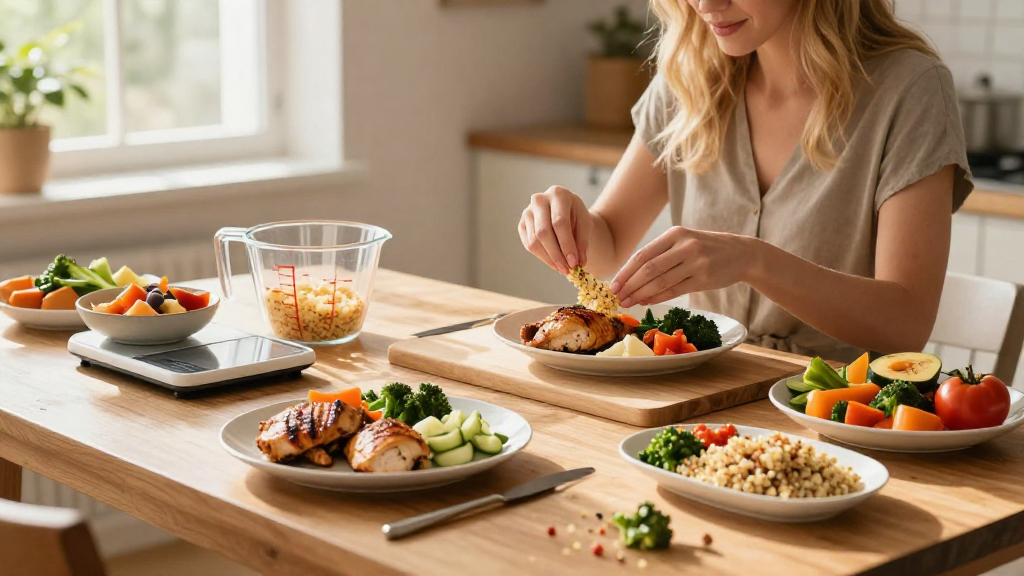
Understanding how to measure proper food portion sizes is crucial for maintaining a healthy diet and managing weight.
In this article, we will explore the essentials of a food portion size guide, helping you make informed choices for your meals and snacks.
What Is a Food Portion Size Guide?
A food portion size guide is a tool designed to help individuals determine appropriate amounts of food to consume during meals.
It provides visual aids, serving recommendations, and practical tips that adhere to nutritional guidelines.
Why Is Proper Food Portion Size Important?
Maintaining proper food portion sizes is important for several reasons:
-
Weight Control: Eating the right portion sizes aids in preventing overeating, which is essential for weight management.
-
Nutritional Balance: Correct portion sizes ensure that you receive the right nutrients without excess calories.
-
Mindful Eating: Being aware of portion sizes promotes mindfulness while eating, enabling you to truly enjoy your food.
-
Health Benefits: Proper portion sizes can reduce the risk of chronic diseases such as obesity and diabetes.
How Can You Determine Proper Portion Sizes?
There are various methods to figure out the proper food portion sizes that work for you. Here are some popular techniques:
Can You Use Standard Serving Sizes?
Many people rely on the standard serving sizes recommended by dietary guidelines.
For instance:
-
Fruits and Vegetables: A serving is typically one cup of raw or cooked vegetables or one medium-sized fruit.
-
Grains: A serving of grains can be one slice of bread or half a cup of cooked rice or pasta.
-
Proteins: A serving of meat, poultry, or fish is generally about three ounces, roughly the size of a deck of cards.
How About Using the Plate Method?
The Plate Method is a visual way to measure appropriate food portions by dividing your plate:
-
Half your plate: Fill it with vegetables (non-starchy).
-
One quarter of your plate: Allocate for lean proteins.
-
One quarter of your plate: Reserve for whole grains.
This method helps ensure that you’re eating a balanced meal while controlling portions.
Are Food Scales Useful?
Using a food scale can be one of the most accurate methods for measuring portion sizes.
To use a food scale effectively:
-
Zero the scale: Start by placing the empty container on the scale and zeroing it out.
-
Add your food: Place the food item in the container and note the weight.
-
Use weight guidelines: Check food labels or the food portion size guide for recommended serving sizes based on weight.
Can You Use Everyday Objects for Measurement?
Another practical method is to compare food portions to everyday objects. Here’s how you can do it:
-
One serving of cheese is approximately the size of two dice.
-
A serving of peanut butter is about the size of a golf ball.
-
One serving of a baked potato is about the size of a computer mouse.
Using objects to measure can help you visualize portion sizes better when you’re not utilizing a scale.
What Tools Can You Use?
Having a few handy tools can make measuring food easier. Consider these options:
-
Measuring Cups and Spoons: Useful for measuring liquids and certain food items accurately.
-
Visual Aids: Some guides include diagrams that can help you visually assess portion sizes.
-
Apps: There are mobile apps specifically designed to assist in tracking food portions and calories.
What Are the Common Portion Size Mistakes to Avoid?
Understanding common pitfalls can help refine your portion-sizing skills.
Here are some mistakes to watch out for:
-
Underestimating Serving Sizes: People often underestimate how much they’re consuming, especially with dense foods like nuts and oils.
-
Ignoring Labels: It’s essential to read food labels since they provide specific portion sizes to consider.
-
Buffet Overindulgence: At buffets, it can be easy to scoop larger portions—be mindful to plate food as you would at home.
-
Assuming Larger Is Better: Bigger portions don’t always mean satisfaction; often, they lead to waste and unintentional overeating.
How to Practice Mindful Eating with Portion Control?
Incorporating mindful eating practices can enhance your ability to control portion sizes effectively.
Here are some strategies:
-
Eat Slowly: Take your time with meals to give your brain a chance to register fullness.
-
Limit Distractions: Avoid eating in front of screens to maintain focus on your food.
-
Check In With Hunger Cues: Before reaching for more food, ask yourself if you’re truly hungry.
-
Serve Meals in the Kitchen: Instead of leaving serving dishes on the table, plate meals beforehand to reduce temptations for seconds.
Should You Consult a Professional?
If you’re unsure about your portion sizes or nutritional needs, consulting a registered dietitian can be beneficial.
A professional can:
-
Provide personalized guidance based on your health goals.
-
Help create a tailored food portion size guide to fit your lifestyle.
-
Educate you on overall nutritional balance and healthy eating habits.
Conclusion
In conclusion, understanding how to measure proper food portion sizes is a vital aspect of healthy eating that shouldn’t be overlooked.
Using a food portion size guide and various methods can empower you to make informed decisions about your meals.
By practicing mindful eating, utilizing tools, and avoiding common mistakes, you can maintain a balanced diet that is both nutritious and satisfying.
Remember, portion control is just one piece of the larger puzzle of maintaining good health, so complement it with wholesome foods and an active lifestyle for optimal results.
Start today by exploring your current habits and making small adjustments towards better portion control!