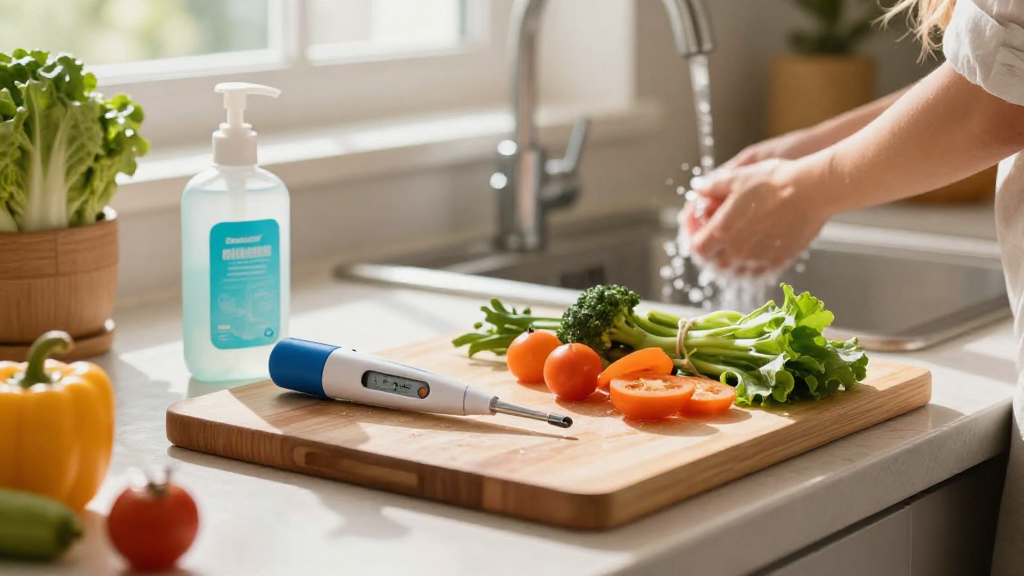
Understanding food safety terms is crucial for everyone involved in the food industry, from producers to consumers.
This article will explore essential food safety terminology that ensures the highest standards of health and safety are maintained.
What Are Food Safety Terms?
Food safety terms encompass a variety of terminology used to describe practices, guidelines, and legislative measures aimed at minimizing food-related hazards.
These terms are essential for ensuring food is stored, handled, and prepared safely to prevent illness.
Why Are Food Safety Terms Important?
Food safety terms help facilitate clear communication among food industry professionals, regulatory bodies, and consumers.
- Enhances Understanding: Knowing the terminology allows all parties to understand the risks involved.
- Promotes Compliance: Familiarity with key terms encourages adherence to safety standards and regulations.
- Educates Consumers: An informed public is more likely to make safe food choices.
What Are Some Key Food Safety Terms?
Here are some commonly used food safety terms that everyone should know:
1. HACCP (Hazard Analysis Critical Control Point)
HACCP is a systematic approach to food safety that focuses on identifying and controlling hazards.
It requires identifying critical control points to minimize risks associated with food production.
2. Cross-Contamination
Cross-contamination occurs when harmful bacteria or allergens are transferred from one food item to another.
This often happens through:
- Improper knife use
- Using utensils for both raw and cooked foods
- Inadequate cleaning of surfaces
3. Foodborne Illness
Foodborne illness refers to health issues caused by consuming contaminated food.
Common pathogens responsible for foodborne illness include:
- Salmonella
- E. coli
- Listeria
4. Temperature Danger Zone
The temperature danger zone is the range between 40°F (4°C) and 140°F (60°C) where bacteria multiply rapidly.
Food should be kept out of this zone to minimize bacterial growth.
5. Best Before vs. Use By
-
Best Before: Indicates the quality of food. The product is safe to eat after this date but may not be at its best in terms of flavor or nutrition.
-
Use By: Indicates safety. Food should not be consumed after this date, as it may pose a health risk.
6. Sanitization vs. Cleaning
-
Sanitization: The process of reducing the number of microorganisms on a surface to safe levels.
-
Cleaning: The removal of food residues and dirt from surfaces. It does not necessarily kill bacteria but prepares the surface for sanitization.
7. Allergen Control
Allergen control refers to methods and practices implemented to prevent cross-contact between allergens and non-allergenic foods.
Common allergens include:
- Peanuts
- Tree nuts
- Dairy
- Gluten
8. FIFO (First In, First Out)
FIFO is an inventory management system that ensures older stock is used before newer stock.
This practice helps reduce waste and maintain food quality and safety.
Which Organizations Govern Food Safety?
Understanding the landscape of food safety also involves knowing the organizations that regulate and endorse safe practices.
Here are key players in the field of food safety terms:
-
FDA (Food and Drug Administration): Oversees food safety in the U.S., ensuring safe food production and handling.
-
USDA (United States Department of Agriculture): Regulates meat, poultry, and egg products, ensuring they meet safety standards.
-
CDC (Centers for Disease Control and Prevention): Monitors foodborne illnesses and conducts research to enhance food safety.
-
EFSA (European Food Safety Authority): Provides scientific advice and communicates on existing and emerging risks associated with the food chain in Europe.
What Are Best Practices for Food Safety?
Adopting best practices can significantly enhance food safety. Here are some essential guidelines:
1. Wash Your Hands
Always wash your hands with soap and water for at least 20 seconds:
- Before eating
- After handling raw meat
- After using the restroom
2. Cook Food Thoroughly
Ensure food is cooked to the right temperature to kill harmful bacteria:
- Poultry: 165°F (75°C)
- Ground meats: 160°F (70°C)
- Seafood: 145°F (63°C)
3. Store Food Safely
-
Cool Leftovers Promptly: Refrigerate leftovers within two hours.
-
Avoid Overcrowding the Fridge: Proper airflow is crucial for food preservation.
4. Regularly Clean Surfaces
Clean and sanitize kitchen surfaces, utensils, and equipment regularly to prevent contamination.
How to Educate Yourself About Food Safety Terms?
With the ever-evolving nature of food safety, continuous education is essential. Here are ways to stay updated:
-
Take Food Safety Courses: Consider enrolling in courses offered by local health departments or online platforms.
-
Follow Reputable Sources: Stay informed by following organizations like the FDA and CDC.
-
Attend Workshops and Seminars: Participate in food safety workshops or seminars conducted by industry experts.
Conclusion
In summary, understanding food safety terms is crucial for maintaining food quality and safety.
From HACCP to allergen control, these terms provide a foundation for effective communication and adherence to best practices.
By educating yourself and applying these terms in daily food handling, cooking, and storage, you contribute to a safer food environment for everyone.
Remember, food safety is not just a professional concern; it’s a personal responsibility that affects our health and well-being.