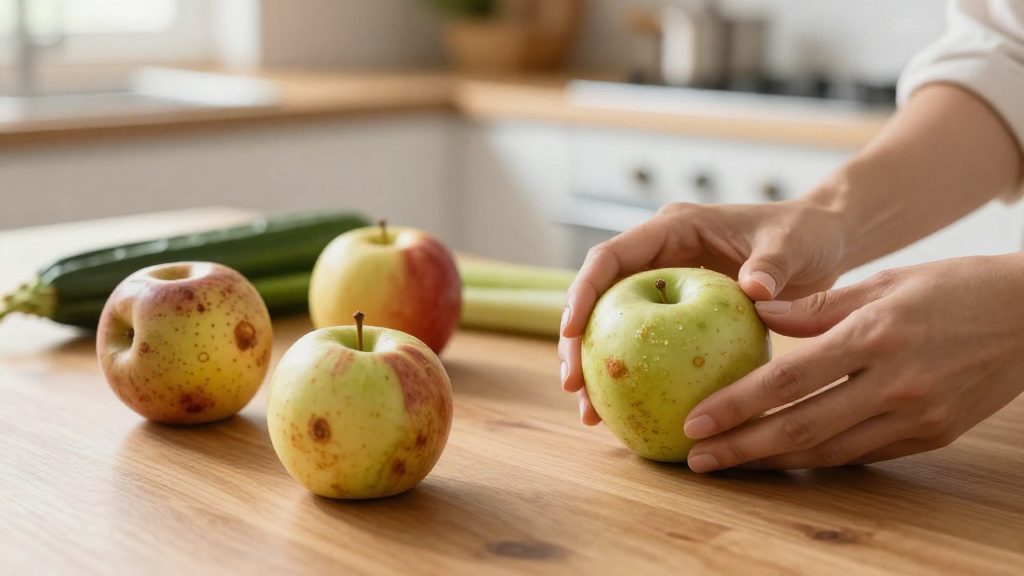
Identifying food contamination signs is crucial for ensuring food safety and preventing foodborne illnesses.
What Are the Common Food Contamination Signs?
Food contamination can occur in various forms, including biological, chemical, and physical contaminants.
Recognizing the signs early can prevent health risks and ensure that the food you consume is safe. Here are some common food contamination signs to look for:
-
Unusual Odors:
Foods that smell off or have a sour scent can indicate spoilage or contamination. -
Discoloration:
Mold or any unusual color change, especially on perishable items like fruits, vegetables, or dairy products, can be a clear sign of contamination. -
Inconsistent Texture:
Slimy, sticky, or excessively soft textures can indicate spoilage, particularly in meats and produce. -
Expiration Dates:
Always check the expiration or “best by” dates. Consuming food past its prime can lead to contamination. -
Visible Mold or Spoilage:
If you see mold, it’s best to err on the side of caution and dispose of the food item. -
Unusual Taste:
If something tastes off, spit it out and don’t consume it any further. This can be an immediate indication that food is contaminated.
How Can You Prevent Food Contamination?
Preventing food contamination is often more effective than trying to identify issues after they arise. Here are some practical tips:
-
Practice Safe Food Storage:
Keep perishable items in the refrigerator and ensure your freezer maintains a consistent temperature. -
Maintain Cleanliness:
Wash and sanitize countertops, cutting boards, and utensils regularly to prevent cross-contamination between raw and cooked foods. -
Thorough Cooking:
Cooking food to the right temperature kills many harmful contaminants. Use a food thermometer to ensure your dishes are cooked adequately. -
Use Fresh Ingredients:
Always choose fresh, high-quality ingredients for your meals. The fresher, the less likely your food will be contaminated. -
Avoid Purchasing Damaged Goods:
Check packaging for punctures, tears, or any indications that the food could be spoiled before purchasing.
How Does Cross-Contamination Occur?
Understanding cross-contamination is essential for preventing food contamination.
Cross-contamination occurs when harmful bacteria or allergens are transferred from one food item to another, often via an unclean surface, utensil, or even a person’s hands.
To avoid cross-contamination, consider these practices:
-
Separate Raw and Cooked Foods:
Store raw meat, poultry, and seafood separately from fruits, vegetables, and ready-to-eat foods. -
Use Different Cutting Boards:
Utilize color-coded cutting boards for different food types. For instance, use a specific board for raw meat and another for vegetables. -
Wash Hands Frequently:
Thoroughly wash your hands with soap and water before and after handling food items.
What To Do If You Suspect Food Contamination?
If you suspect that you’ve encountered food contamination, immediate action is necessary. Here’s what you can do:
-
Dispose of Suspicious Food:
If you see any food contamination signs, such as mold or discoloration, throw away the contaminated items. -
Clean Affected Areas:
After disposing of contaminated food, thoroughly clean all surfaces it may have touched. -
Report Contamination:
If you purchased contaminated food from a store or restaurant, report it to the establishment and your local health department. -
Seek Medical Attention if Necessary:
If you experience severe symptoms (nausea, vomiting, diarrhea), contact a healthcare professional.
What Are the Health Risks Associated with Food Contamination?
Understanding the health risks of food contamination helps emphasize its seriousness. Contaminated food can lead to various foodborne illnesses, including:
-
Salmonella:
Often found in undercooked or raw poultry, eggs, and dairy, leading to gastrointestinal distress. -
E. Coli:
Commonly associated with undercooked beef and contaminated leafy greens, can cause severe stomach cramps and diarrhea. -
Listeria:
Found in deli meats and unpasteurized dairy products, is particularly dangerous for pregnant women and can lead to miscarriage. -
Norovirus:
This highly contagious virus often comes from contaminated shellfish, leading to viral gastroenteritis. -
Clostridium perfringens:
Associated with improperly stored leftovers, it can cause diarrhea and abdominal cramps.
Understanding the risks involved with food contamination signs can motivate you to take necessary precautions in your food handling and consumption.
How to Stay Informed About Food Safety?
Being educated about food safety can greatly enhance your ability to recognize food contamination signs and protect your health.
Here are some resources to help you stay informed:
-
Food Safety Websites:
Visit sites like the CDC, USDA, and FDA for reliable information and updates on food safety practices. -
Local Health Departments:
They often provide resources specific to your community, including alerts for food recalls and contamination outbreaks. -
Cooking Classes:
Enroll in classes that focus on food safety and hygiene practices to become more proficient in recognizing and preventing contamination. -
Social Media Groups:
Join community groups or forums where people share experiences and advice on food safety.
Conclusion
Identifying food contamination signs is essential in maintaining food safety and protecting your health.
Being aware of the symptoms and preventive measures can help you steer clear of foodborne illnesses. By educating yourself and practicing safe food handling, you can enjoy your meals worry-free.
Remember, when in doubt, it’s better to throw it out! Staying vigilant and proactive can keep you and your loved ones healthy.