When discussing sustainable eating, food miles explained is a crucial concept that helps consumers understand the environmental impact of their food choices.
What Are Food Miles Explained?
Food miles refer to the distance food travels from where it is grown or produced to where it is ultimately purchased and consumed.
This measure takes into account various factors, including:
– Transportation methods
– Preservation methods
– Storage
Food miles can vary significantly based on geographic location, seasons, and agricultural practices. Generally, food produced closer to the consumer has lower food miles, resulting in less carbon emissions and a smaller ecological footprint.
Understanding food miles is essential for anyone interested in making eco-conscious decisions about their eating habits.
Why Do Food Miles Matter?
Food miles play a crucial role in understanding the environmental impact of our food choices. Here are some key reasons why food miles matter:
1. Environmental Impact
The transportation of food contributes significantly to greenhouse gas emissions. The longer the distance food travels, the more energy is consumed, often in the form of fossil fuels.
In fact:
- Air freight produces > 100 times more carbon emissions than shipping by sea.
- Local food typically travels less than 100 miles, while imports can travel thousands of miles.
By choosing locally sourced foods, you can help reduce your personal carbon footprint and combat climate change.
2. Supporting Local Economies
Purchasing food with lower food miles typically means buying from local farmers and producers. This keeps money within the community and helps support local jobs.
Key benefits include:
- Boosting local economies by keeping resources local.
- Reducing reliance on large corporate farms.
When you buy local, you’re not just making a more sustainable choice; you’re also contributing to your community’s prosperity.
3. Freshness and Quality
Food that travels shorter distances tends to be fresher and of higher quality.
Here’s why:
- Less time in transportation: Fresh produce loses its freshness during long transits.
- Nutritional value retention: Foods grown nearby can be harvested at peak ripeness.
This means you get to enjoy fruits and vegetables that are not only fresher but also tastier and more nutritious.
4. Preserving Biodiversity
Buying local often means choosing seasonal products that are appropriate for your geographic location.
Food miles explained also reveals how global food systems can lead to monocultures, reducing plant diversity. By supporting local farmers and seasonal eating, you contribute to:
- Retaining diverse crop varieties.
- Preserving endangered species of food plants.
This helps maintain the ecosystem’s health while giving you access to a wider range of delicious, nutritious food options.
How Can You Reduce Food Miles?
Being conscious of food miles doesn’t just require a change in routine; it opens up various avenues for more sustainable eating practices. Here are ways to reduce food miles in your diet:
1. Choose Local and Seasonal Products
When shopping, prioritize:
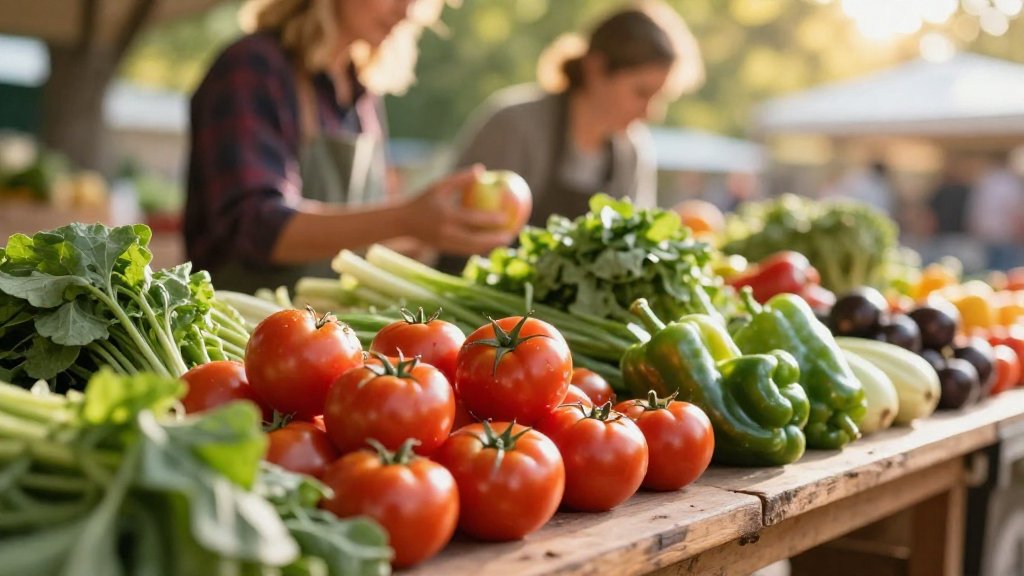
- Farmers’ markets: Often feature local produce.
- Community Supported Agriculture (CSA): Subscribe for seasonal produce deliveries from local farms.
By focusing on seasonal and local foods, you minimize the need for long-distance transportation.
2. Plan Your Meals
Meal planning can help reduce food waste and ensure you use up ingredients before they spoil.
Here’s a simple strategy:
- Create a shopping list.
- Stick to seasonal produce: This often occurs at your local grocery store.
Planning your meals effectively means you’re less likely to purchase imported items that rack up food miles.
3. Grow Your Own Food
If you have the space, consider growing your own herbs, fruits, and vegetables.
Benefits include:
- Access to ultra-fresh produce.
- Elimination of transportation costs: Meaning zero food miles!
Even a small herb garden on a windowsill can help reduce your reliance on store-bought commodities.
4. Educate Yourself and Others
Understanding the impact of food miles not only helps you make personal choices but allows you to influence others.
Here are some options:
- Discuss food miles with friends and family.
- Share information on social media.
Fostering awareness about food miles can lead to a collective shift towards more sustainable eating habits.
Are Food Miles the Only Metric to Consider?
Food miles explained reveals a vital aspect of sustainability, but it’s not the only metric.
While transportation is significant, other factors can also impact sustainability, including:
- Agricultural practices: Organic farming vs. conventional farming.
- Food processing: Some local foods may undergo extensive processing, negating their benefits.
- Packaging: Excessive packaging can offset the benefits of locally sourced products.
By taking a holistic approach, including the environmental, social, and health aspects, you can make the most informed food choices.
Conclusion: Food Miles Explained Matters More Than Ever
In a world that increasingly values sustainability, understanding food miles is essential. Reducing food miles can help mitigate climate change, support local economies, enhance food freshness, and preserve biodiversity.
By making mindful choices about the food you consume, you not only contribute to a sustainable future but also enjoy tastier, fresher meals.
Start today by considering how you can incorporate more local and seasonal foods into your diet.
You will not only benefit yourself; you’ll be doing your part to protect the planet. Understanding food miles explained is just the first step in your journey towards sustainable living.