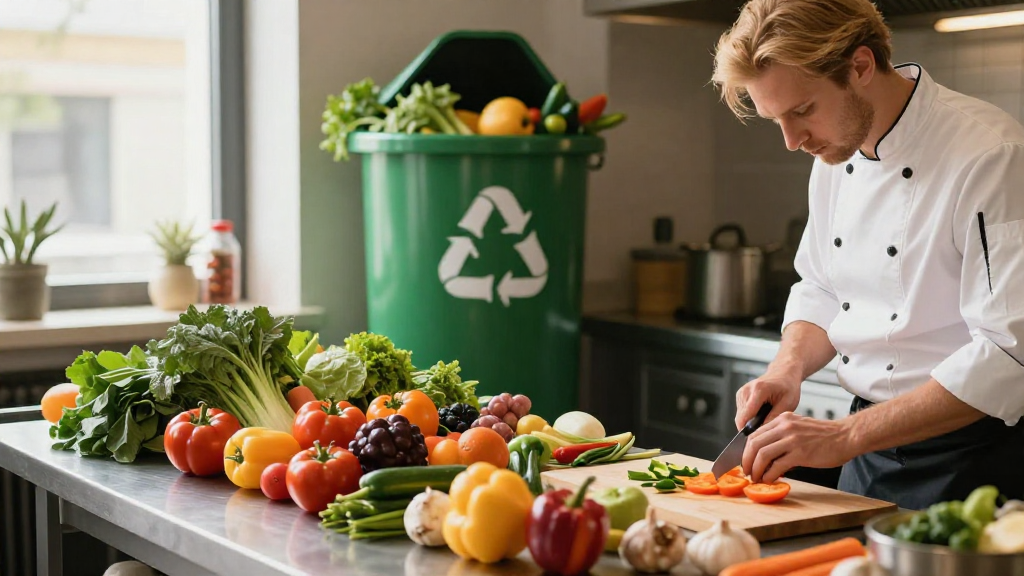
Food waste in restaurants has become a pressing issue in the culinary industry.
With the increasing number of patrons, many establishments are grappling with how to serve delicious meals while minimizing their environmental impact.
In this article, we’ll explore effective strategies that restaurants can implement to significantly reduce food waste.
What Is Food Waste in Restaurants?
Food waste in restaurants refers to the edible food that is discarded or unused during various stages of the food service process.
This waste can occur at different points, including:
- Food preparation: Trimmings, peels, and parts of ingredients that are discarded.
- Service: Excess food on plates that customers do not eat.
- Spoilage: Ingredients that expire or go bad before use.
The repercussions of food waste extend beyond environmental concerns, impacting a restaurant’s bottom line as well.
Understanding the sources and impacts of this waste is crucial for developing effective reduction strategies.
Why Should Restaurants Care About Reducing Food Waste?
-
Economic Benefits:
Reducing food waste can lower costs associated with ingredient purchases, disposal fees, and labor.
Restaurants can save between $25,000 to $75,000 annually through effective waste reduction. -
Environmental Impact:
Food waste contributes significantly to greenhouse gas emissions when decomposing in landfills.
By minimizing waste, restaurants can lower their carbon footprint and contribute to a healthier planet. -
Customer Satisfaction:
A commitment to sustainability resonates with customers, enhancing brand loyalty.
Eco-conscious diners appreciate establishments that make responsible choices.
How Can Restaurants Reduce Food Waste?
Here are several actionable strategies that restaurants can utilize:
1. How to Improve Inventory Management?
Effective inventory management plays a crucial role in reducing food waste in restaurants.
Inaccurate forecasting is often a primary culprit for excess food supplies that ultimately go to waste.
- Implement a First In, First Out (FIFO) system:
This ensures older stock is used first, preventing spoilage of ingredients. - Utilize technology:
Inventory management software can help monitor stock levels and expiration dates, facilitating timely use of ingredients. - Conduct regular audits:
Regularly check inventory to adjust ordering practices based on actual usage and seasonal menu changes.
2. Are Smaller Portions the Answer?
Offering smaller portions can significantly mitigate food waste in restaurants.
- Portion Control Practices:
Using measuring tools for sides, sauces, and entrees ensures consistent serving sizes. - Flexible Menu Options:
Allow customers to choose portion sizes or share plates to cater to varying appetites. - Leftover Policies:
Encourage customers to take home their leftovers, promoting the idea of less waste.
3. What Role Does Menu Design Play?
A carefully designed menu can help reduce food waste in restaurants.
- Seasonal Ingredients:
Incorporate locally-sourced, seasonal ingredients that are fresher and less likely to spoil. - Daily Specials:
Utilize surplus ingredients in daily specials to ensure they are used before they spoil. - Cross-Utilization of Ingredients:
Design menu items where ingredients can be used across multiple dishes, reducing the chance of excess.
4. How Can Staff Training Help?
Educating and empowering staff is crucial for waste reduction.
- Waste Awareness Training:
Train staff on the environmental impact of food waste and how to reduce it in their daily operations. - Encourage Feedback:
Foster a culture where employees can suggest improvements to reduce waste based on their experiences. - Incentives:
Offer rewards for employees who find innovative ways to minimize waste, fostering accountability.
5. What Are the Benefits of Donating Food?
Partnering with local organizations for food donation can be a win-win situation.
- Community Support:
By donating surplus food, restaurants can help those in need while enhancing their community image. - Tax Deductions:
Food donations may qualify restaurants for tax deductions, reducing their overall expenses. - Building Relationships:
Collaborating with charities can also provide networking opportunities and enhance public relations.
6. How Does Composting Reduce Waste?
Implementing a composting program can significantly benefit restaurants looking to reduce food waste.
- Organic Waste Management:
Composting allows restaurants to dispose of organic waste sustainably, diverting it from landfills. - Soil Enrichment:
The compost produced can be donated to local farms or gardens, fostering community relationships. - Marketing Advantage:
Promoting composting efforts can enhance a restaurant’s brand image as being environmentally friendly.
7. What Technology Tools Are Available?
Advancements in technology can assist restaurants in effectively managing food waste.
- Food Waste Tracking Software:
Use technology to identify waste patterns and track progress in waste reduction efforts. - Smart Refrigeration Systems:
Systems that monitor temperatures can help reduce spoilage by ensuring optimal storage conditions. - Customer Preference Analytics:
Analyze customer ordering patterns to optimize menu offerings and reduce unsold items.
Conclusion: Food Waste in Restaurants is Manageable
Reducing food waste in restaurants is not only possible but essential.
By implementing effective strategies such as improved inventory management, staff training, and menu optimization, restaurants can significantly minimize waste.
Additionally, leveraging technology and community partnerships can create a ripple effect that benefits the environment and local society.
As the culinary industry continues to evolve, addressing food waste will not only contribute to sustainability but also enhance profitability and customer satisfaction.
By taking proactive measures today, restaurants can lead the way towards a more sustainable and economically sound future.