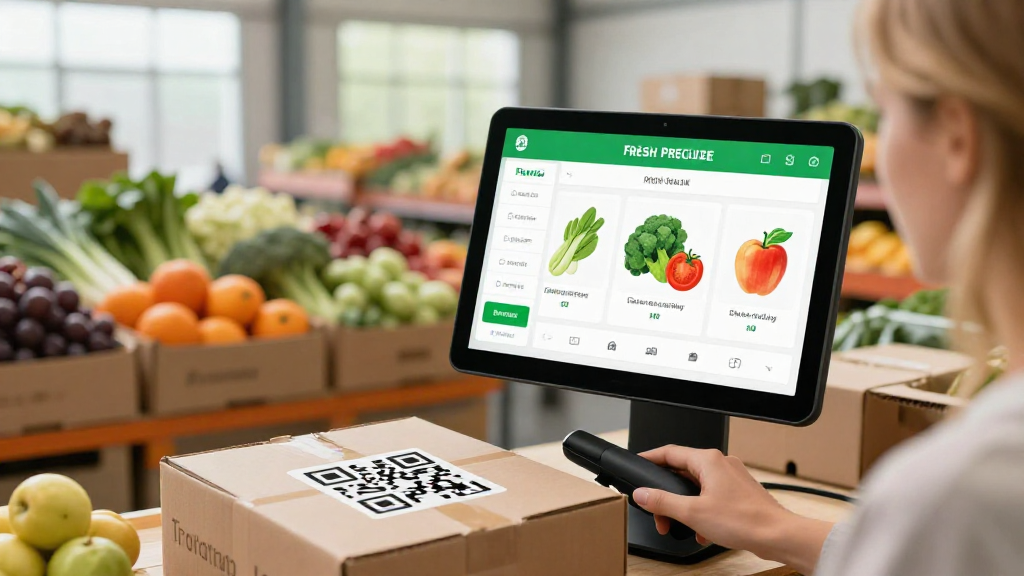
Food traceability systems are essential tools in the food industry that track the movement of food products from their origin to the end consumer.
In this article, we will explore the types of food traceability systems, how they operate, and their benefits for businesses and consumers alike.
What Are Food Traceability Systems?
Food traceability systems are platforms or methodologies designed to monitor the journey of food items throughout the supply chain.
These systems provide detailed information regarding:
- Source – Where the food originates from.
- Processing – How it has been processed and handled.
- Distribution – The path it takes to reach retailers and consumers.
Traceability allows for effective management of food safety, quality, and supply chain logistics.
Why Are Food Traceability Systems Important?
How do food traceability systems enhance food safety?
Traceability systems play a crucial role in ensuring food safety.
By providing a well-defined record of where food has been sourced, processed, and distributed, these systems allow for:
-
Quick response to foodborne illnesses – In the event of a contamination issue, organizations can quickly identify the affected products and withdraw them from the market.
-
Compliance with regulations – Many regions enforce strict regulations regarding food safety. Food traceability systems help businesses comply with these laws and demonstrate their commitment to safety.
How do they promote transparency in the food supply chain?
Transparency is crucial in today’s food supply industry.
Consumers increasingly want to know where their food is coming from, and food traceability systems provide that information.
By utilizing these systems, organizations can:
-
Build consumer trust – Openly sharing product information increases consumer confidence.
-
Enhance brand reputation – Companies that prioritize traceability can distinguish themselves in a crowded market.
What Are the Components of Food Traceability Systems?
What technologies are employed in food traceability systems?
Food traceability systems are often supported by advanced technologies that facilitate the tracking of food items.
Some commonly used components include:
-
Barcodes and QR codes – Enables quick scanning and access to information about the product’s history.
-
RFID (Radio-Frequency Identification) – Allows for real-time tracking of food items without manual entry.
-
Blockchain technology – Provides a secure and immutable record of transactions, enhancing transparency and trust.
What data is collected in food traceability systems?
Data is the backbone of food traceability systems.
The types of data collected may include:
-
Supplier information – Details about where the food was sourced.
-
Processing methods – Information on how the food has been processed.
-
Transportation records – Details about each point in the supply chain, including temperatures, handling methods, and storage conditions.
How Do Food Traceability Systems Work?
How is food traceability implemented?
Implementing a food traceability system involves several steps:
-
Identify products – Clearly define which products will be tracked.
-
Choose a technology – Select the appropriate tools to facilitate tracking.
-
Train staff – Educate employees on the importance and operation of the tracing system.
-
Data entry – Maintain accurate records of every step in the food supply chain.
-
Monitor and update – Regularly review and update the system to ensure accuracy and compliance with regulations.
How does information flow through food traceability systems?
The flow of information in food traceability systems is dynamic and continuous.
Here’s a simplified process of how information is exchanged throughout the supply chain:
-
Farm to Processor – Information about the origin of raw materials is recorded as they move from farms to processing facilities.
-
Processor to Distributor – Once food is processed, details about the processing methods and batch numbers are documented before reaching distributors.
-
Distributor to Retailer – Distributors maintain records of how and when products were shipped to retailers.
-
Retailer to Consumer – Retailers provide key information, allowing consumers to access the product’s history through QR codes or other means.
What Benefits Do Food Traceability Systems Provide?
How do food traceability systems save businesses money?
Though implementing a food traceability system may require upfront investment, the long-term savings can be substantial.
Benefits include:
-
Reducing recall costs – By efficiently identifying and removing affected products, businesses save on potentially overwhelming recall expenses.
-
Minimizing waste – Traceable products allow retailers to manage stock more efficiently, reducing spoilage and waste.
How do food traceability systems improve efficiency?
Streamlining processes through better visibility leads to enhanced operational efficiency.
Within the food supply chain, this translates to:
-
Faster product handling – Quick identification of items speeds up the distribution process.
-
Improved collaboration – Increased transparency fosters better relationships among suppliers, distributors, and retailers, leading to more effective partnerships.
How do food traceability systems address consumer concerns?
As consumers become more conscientious about their food choices, they look for assurance regarding safety and responsibility.
Food traceability systems cater to these concerns:
-
Increasing awareness – By providing clear product histories, traceability helps consumers make informed choices.
-
Supporting ethical sourcing – Traceability allows consumers to verify that food has been sourced responsibly and sustainably.
What Challenges Do Food Traceability Systems Face?
What obstacles do businesses encounter in implementing food traceability systems?
While there are numerous benefits, implementing food traceability systems is not without challenges.
Common obstacles include:
-
Initial costs – The investment required in technology and training can be daunting for small businesses.
-
Technological limitations – Not all organizations have access to the latest tracking technologies.
How can businesses overcome these challenges?
To successfully implement effective food traceability systems, businesses can take several steps:
-
Start small – Begin with a pilot program for a specific product line before expanding to the full supply chain.
-
Leverage partnerships – Collaborate with technology providers to share resources and knowledge.
-
Invest in training – Equip staff with the best practices in data collection and analysis to maximize efficiency.
Conclusion
Food traceability systems are a vital aspect of modern food supply chains.
By improving safety, transparency, and efficiency, these systems benefit businesses and consumers alike.
As the demand for accountable and safe food continues to grow, investing in robust food traceability systems will become increasingly important.
The future of food relies on our ability to trace it.
With proper implementation, organizations can ensure they meet both consumer expectations and regulatory requirements while mitigating risks and promoting sustainability in the food industry.