Understanding how the food supply chain works is essential for consumers, businesses, and policymakers alike.
In this article, we will provide a thorough food supply chain overview, breaking down the intricate processes involved in getting food from the farm to your table.
What Is the Food Supply Chain?
The food supply chain encompasses all the steps involved in bringing food from its source to the consumer.
This process involves multiple stages, including:
- Production: The growing of crops and raising of livestock.
- Processing: Converting raw ingredients into products.
- Distribution: Transporting food to various locations.
- Retail: Selling food to consumers.
- Consumption: Ultimately, the food is prepared and consumed.
Each phase plays a crucial role in ensuring that food is safe, nutritious, and available to meet consumer demands.
How Does Food Production Start?
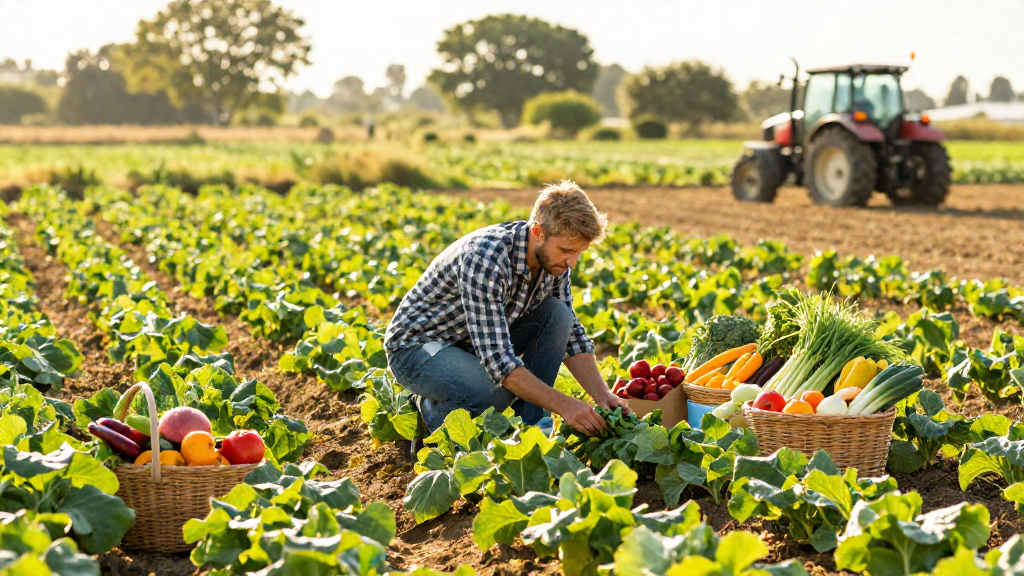
Food production begins at the primary agricultural stage.
Farmers and agricultural producers engage in:
- Crop cultivation: Growing fruits, vegetables, grains, and nuts.
- Livestock farming: Raising cattle, chickens, pigs, and other animals.
Key Factors in Food Production
Several factors contribute to successful food production, such as:
- Soil quality: Nutrient-rich, healthy soil is vital for crop yield.
- Weather conditions: Temperature, rainfall, and climate affect agricultural outcomes.
- Technological advancements: Modern farming techniques enhance productivity and reduce waste.
What Happens During Food Processing?
Once harvested, food often undergoes processing to transform raw ingredients into consumable products.
The processing stage can involve:
- Cleaning: Removing dirt and contaminants from food items.
- Packaging: Protecting food from spoilage and contamination while facilitating transport.
- Labeling: Providing information on nutritional content and expiration dates.
- Value addition: Creating products like canned goods, frozen items, and ready-to-eat meals.
Why Is Food Processing Important?
Food processing adds several benefits, including:
- Increased shelf life: Making food last longer and reducing waste.
- Enhanced safety: Reducing the risk of foodborne illnesses through proper handling and preservation.
- Convenience for consumers: Offering a wide variety of obtainable meals and snacks.
How Is Food Distributed?
The distribution stage is pivotal in the food supply chain overview, as it connects producers and consumers.
This process involves a variety of stakeholders, including:
- Wholesalers and distributors: They purchase food in bulk from producers and sell it to retailers.
- Transportation companies: They ensure food reaches its destination quickly and safely.
- Logistics providers: They manage the inventory and oversee warehousing operations.
Key Aspects of Food Distribution
Food distribution must consider several factors, such as:
- Temperature control: Perishable items require specific conditions for safe transport.
- Transportation routes: Shorter, more efficient routes can minimize spoilage and delivery times.
- Inventory management: Tracking stock levels helps mitigate shortages and excess waste.
How Does Retail Fit in the Food Supply Chain?
Retail acts as the final selling point for food before it reaches consumers.
This stage can take various forms, including:
- Supermarkets: Large stores offering a wide range of food products.
- Farmers’ markets: Direct sales from producers to consumers.
- Online grocery services: E-commerce platforms for food shopping.
What Role Do Retailers Play?
Retailers are critical to the food supply chain overview because:
- They curate selection for consumers, influencing purchasing decisions.
- They provide education through product labeling and promotions.
- They help manage demand by adjusting stock based on consumer preferences.
What Are the Challenges of the Food Supply Chain?
Despite its importance, the food supply chain faces several challenges:
- Food waste: Significant amounts of food spoilage occur at every stage, from production to consumption.
- Supply chain disruptions: Natural disasters, pandemics, and geopolitical issues can impact food availability.
- Sustainability concerns: The environmental impact of farming, packaging, and transportation is increasingly scrutinized.
Addressing Food Supply Chain Challenges
Efforts to overcome these challenges include:
- Implementing sustainable farming practices.
- Investing in technology to improve efficiency and reduce waste.
- Strengthening local food systems to enhance community resilience.
How Can Consumers Support a Healthy Food Supply Chain?
Consumers play an essential role in the food supply chain by making informed choices.
Here are some ways to contribute positively:
- Choose local produce: Support local farmers markets and regional suppliers to reduce transportation emissions.
- Reduce food waste: Plan meals and shop smart to minimize what you throw away.
- Educate yourself: Understand where your food comes from and how it’s produced.
Why Is Consumer Awareness Important?
By prioritizing a healthy food supply chain, consumers can:
- Foster a marketplace that values sustainability and ethics.
- Encourage businesses to adopt better practices.
- Contribute to a healthier environment and society.
Conclusion: The Importance of Understanding the Food Supply Chain
The food supply chain overview highlights the complexity and interconnectedness of food production, processing, distribution, retail, and consumption.
By understanding this system, individuals can make better choices that foster sustainability, minimize waste, and support local economies.
Whether you are a consumer, producer, or policymaker, appreciating the food supply chain’s nuances can significantly impact improving food security and overall health.
So next time you enjoy a meal, take a moment to consider the journey that food has taken to reach your plate. Making informed choices is essential in promoting a sustainable and inclusive food environment for everyone.