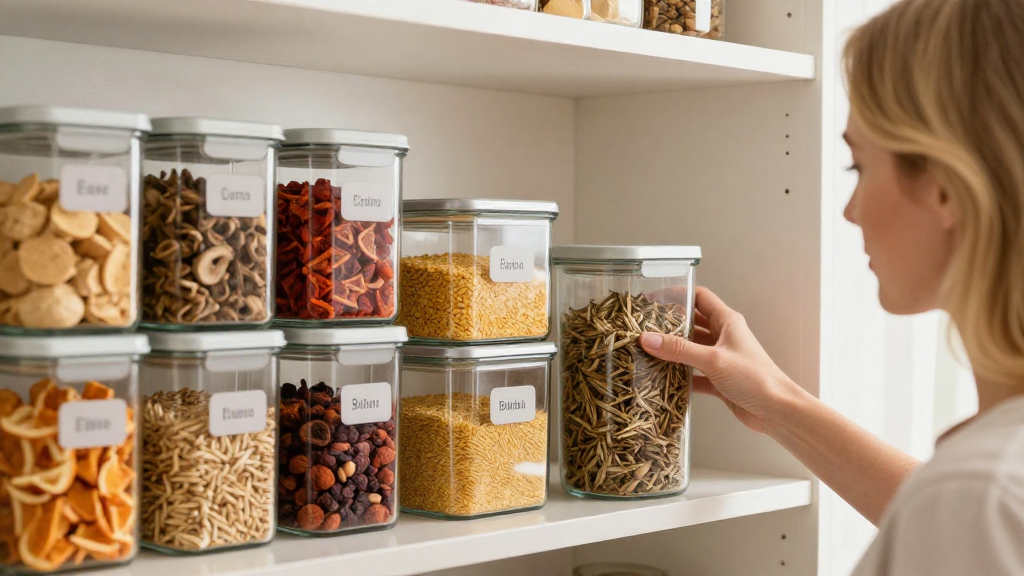
Following proper food storage guidelines is crucial for maintaining food safety, preventing spoilage, and extending shelf life.
In this comprehensive guide, you will learn essential tips and practices to effectively store food.
Why Are Food Storage Guidelines Important?
Understanding and adhering to food storage guidelines is vital for several reasons:
-
Prevention of Foodborne Illnesses: Improper storage can lead to bacterial growth, which can cause food poisoning.
-
Extended Shelf Life: Following guidelines can significantly enhance the longevity of your food items.
-
Cost Efficiency: Reducing food waste saves money and is better for the environment.
-
Flavor Preservation: Proper storage helps maintain the taste and quality of foods.
What Are the Best Practices for Food Storage?
To effectively follow food storage guidelines, implement these best practices:
1. Temperature Control
-
Refrigeration: Set your refrigerator temperature to 32°F – 40°F (0°C – 4°C). This range slows bacterial growth.
-
Freezing: Keep your freezer at 0°F (-18°C) to prevent spoilage.
-
Room Temperature: Store non-perishable items like canned goods in a cool, dry place away from sunlight.
2. Use Airtight Containers
When storing food, use airtight containers to reduce exposure to air and moisture, which can cause spoilage. Consider the following options:
-
Glass Containers: Durable and great for reheating in the oven or microwave.
-
Plastic Containers: Lightweight and usually microwave-safe, although check for BPA-free options.
-
Vacuum Seal Bags: Perfect for long-term storage and preventing freezer burn.
3. Organize Your Pantry and Refrigerator
A well-organized pantry and fridge make it easier to follow food storage guidelines:
-
Use clear bins or labels to identify food categories.
-
Place newer items behind older items to ensure the older ones are used first.
-
Store raw meats at the bottom of the refrigerator to prevent cross-contamination.
How Long Can You Store Different Food Items?
Understanding how long certain foods can be stored is crucial for safe consumption:
1. Refrigerated Foods
- Eggs: 3-5 weeks
- Dairy: 1 week past the expiration date
- Cooked Meat: 3-4 days
- Fruits and Vegetables: Varies; for example, berries last about 1 week, while apples can last up to a month.
2. Frozen Foods
- Meats: 6-12 months (depending on type)
- Vegetables: 8-12 months (blanch before freezing)
- Bread: 3-6 months
- Leftovers: 2-6 months (depending on the dish)
What Food Storage Guidelines Should You Follow for Canned Goods?
Canned goods are incredibly resilient, but proper food storage guidelines still apply:
- Store in a Cool, Dry Place: Avoid heat sources and sunlight.
- Check for Damage: Do not consume cans that are bulging, rusted, or leaking.
- Rotate Stock: Use the FIFO method (First In, First Out) to ensure older stock is used first.
How Can You Tell if Food Has Spoiled?
It’s essential to recognize signs of spoilage to ensure safety:
-
Smell: A sour or off smell often indicates spoilage.
-
Texture: Slimy or mushy texture in produce can signal decay.
-
Color Changes: Dull colors or unusual spots can indicate spoilage.
-
Expiration Dates: Always pay attention to expiration dates and consume or dispose of food accordingly.
Should You Rely on Food Labels?
Relying on food labels can help guide your food storage practices:
-
Best By: Indicates when food is at its peak quality, not necessarily unsafe after this date.
-
Sell By: Used by retailers to manage freshness; consumers can still use after this date if stored properly.
-
Use By: This is typically the last date recommended for product use while at its best quality.
What Are the Myths about Food Storage?
Several myths can lead to improper food storage practices:
- Myth: It’s safe to store all food in the fridge.
Fact: Some foods like onions and potatoes should be stored in a cool, dry, dark place.
- Myth: You can eat food that looks and smells fine.
Fact: Some bacteria that cause foodborne illness don’t change the appearance or smell of food.
- Myth: Bread should always be stored in the fridge.
Fact: Bread will stale faster in the refrigerator; store it in a cool, dry place or freeze it for longer storage.
How Can Meal Prep Help with Food Storage?
Meal prepping is an excellent way to adhere to food storage guidelines:
-
Cook in Batches: Prepare larger quantities and store in single-serving containers.
-
Label Everything: Include the date and contents to keep track of freshness.
-
Use Various Cooking Methods: Incorporate different cooking techniques to help with flavor retention, such as grilling, roasting, or steaming.
-
Plan for Leftovers: Create a plan to incorporate leftover ingredients into future meals.
Conclusion
The importance of following proper food storage guidelines cannot be overstated.
By implementing effective practices such as temperature control, using airtight containers, and understanding storage times, you ensure food safety, minimize waste, and preserve flavor.
Remember to stay informed about food labels and dispel common myths.
By adopting these tips, you’ll become more adept at food storage, resulting in not only safer meals but also enhanced culinary experiences.
Now, make food storage a priority in your kitchen, and reap the benefits of freshness and safety in every bite!