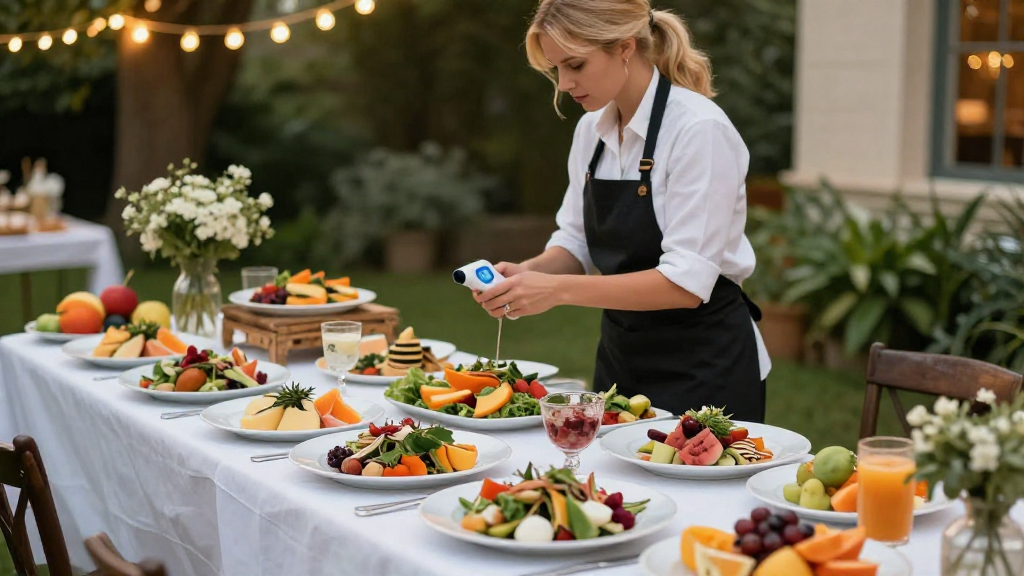
Ensuring food safety at events is crucial for the health and well-being of your guests.
Whether it’s a corporate gathering, wedding, or community festival, providing safe and delicious food should be a top priority. In this article, we will explore essential food safety tips for events that will help you keep your attendees safe and satisfied.
What Are the Key Food Safety Tips for Events?
When planning an event, it’s essential to implement food safety tips for events that will enhance your guests’ experience. Here are some foundational steps to consider:
1. Choose Reputable Vendors
Opt for catering services or food vendors with strong reputations and positive reviews.
Research their food safety practices, asking questions like:
- Do they have food safety certifications?
- How do they handle food preparation and storage?
An established vendor will prioritize cleanliness and safe food handling practices.
2. Prioritize Proper Food Storage
Keeping food at safe temperatures is critical.
- Hot foods should be held at 140°F (60°C) or above.
- Cold foods should be kept at 40°F (4°C) or below.
Consider using chafing dishes with sterno fuel for hot foods and ice tubs or refrigerated trucks to keep cold items fresh.
3. Educate Your Staff on Food Safety
Ensure that all event staff are trained in food safety protocols.
Training should include:
- Proper handwashing techniques
- Understanding cross-contamination
- The importance of using gloves or utensils when handling food
Providing this education not only fosters a culture of safety but also demonstrates to your guests that you are committed to their well-being.
4. Implement Hygiene Practices
Hygiene is vital at any event where food is served.
- Ensure that staff members wash their hands regularly, especially after handling raw food or using the restroom.
- Provide hand sanitizers or wipes near food stations for guests to use before eating.
A clean environment will reassure attendees about the safety of the food provided.
How Can You Handle Food Allergies and Dietary Restrictions?
Understanding food allergies and dietary restrictions is a significant part of ensuring food safety at events.
Include a section for dietary options, and communicate clearly to your guests.
Here are some practices to adopt:
1. Offer a Variety of Food Choices
Providing a range of food options will cater to various dietary needs.
Include:
- Vegan or vegetarian options
- Gluten-free dishes
- Items free of common allergens such as nuts, dairy, and shellfish
Labeling food items with their ingredients will help guests make informed choices.
2. Clearly Communicate Ingredients
Encouraging your vendor to share information about ingredients is essential. This will help guests with allergies make informed choices.
Create signage at each food station describing:
- What each dish is
- Any potential allergens present
Transparency is key to promoting a safe dining experience.
What Are the Best Practices for Food Display and Serving?
Presentation is important, but safety should come first.
Keep the following food safety tips for events in mind when displaying and serving food:
1. Use Proper Serving Utensils
Provide adequate utensils for each dish to prevent cross-contamination.
- Use tongs for salads, spoons for soups, and separate utensils for individual dishes.
Make sure that staff frequently checks food stations, replacing any utensils that may fall or become contaminated.
2. Maintain Clean Stations
Ensure that food stations remain clean and organized throughout the event.
Regularly clean serving areas and replace worn-out materials such as napkins, plates, or serving dishes.
3. Implement a Time Limit on Food
Monitor how long food is displayed.
As a general rule:
- Serve perishable items for no more than two hours at room temperature.
- Replenish food regularly to ensure freshness and safety.
Using timers or keeping track can help ensure you adhere to these guidelines.
Why Is It Important to Monitor Food Temperature?
Keeping food at the correct temperature is one of the most essential food safety tips for events.
Use thermometers to continually monitor food temperatures.
Consider these temperature control tips:
- Track the internal temperature of meat, poultry, and seafood to ensure they reach safe cooking temps.
- Designate someone to oversee food areas actively.
Having dedicated staff to monitor food conditions minimizes the risk of serving unsafe items.
How Do You Handle Leftovers After the Event?
Managing leftovers properly is just as crucial as food preparation on the day of the event.
Consider these leftover handling practices:
1. Store Leftovers Right Away
Encourage prompt storage of any leftover food within two hours of serving.
- Use airtight containers for storing food.
- Label containers with the date and contents to avoid confusion later.
2. Dispose of Unsafe Items
Be diligent about inspecting leftover food items.
If any food has been outside of safe temperature ranges or shows signs of spoilage, dispose of them immediately.
3. Evaluate for Future Events
Learning from any leftovers can help you plan better for future events.
Keep track of what items were popular and which ones were not.
This will help in estimating proper quantities for the next gathering.
Conclusion: How to Ensure Food Safety at Events
By following these detailed food safety tips for events, you can create a safe environment for your guests.
From selecting the right vendors and implementing strict hygiene practices to managing leftovers, each step plays a vital role in providing an enjoyable and safe dining experience.
Your guests deserve the best, and prioritizing food safety will help you achieve your goal of hosting a successful event.
Remember, the commitment to food safety not only protects your attendees’ health but also enhances your reputation as a skilled event planner.
When you plan your next gathering, use these tips and practices to ensure that food safety is always at the forefront.