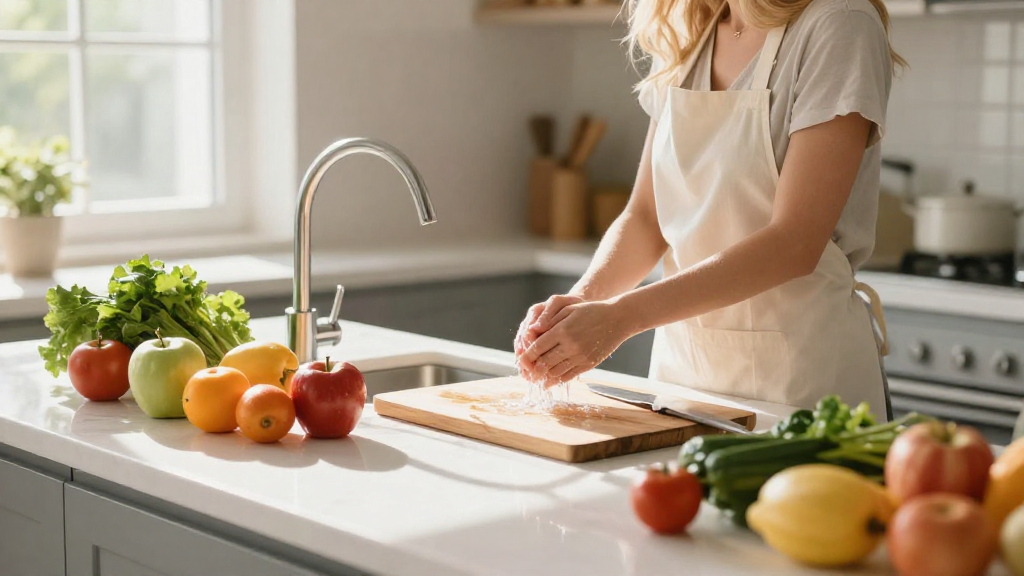
Food safety tips are essential for anyone who wishes to maintain a healthy kitchen and prevent foodborne illnesses. In this article, we’ll explore the most critical food safety tips to ensure that your meals are not only delicious but also safe for you and your loved ones.
Why Are Food Safety Tips Important?
Food safety tips play a crucial role in preserving not just the taste of your meals but also your health.
Improper handling, cooking, and storage of food can lead to harmful bacteria and contaminants that can cause severe illnesses.
The Centers for Disease Control and Prevention (CDC) estimates that 48 million Americans get sick from foodborne illnesses each year.
Implementing effective food safety tips can reduce these risks considerably.
Let’s delve into some of the most vital practices to keep your kitchen safe.
What Are the Key Food Safety Tips?
1. Clean: How Important is Hygiene?
Hygiene is the cornerstone of effective food safety.
Regularly wash your hands with soap and water for at least 20 seconds before handling any food.
This is especially crucial after using the bathroom, changing diapers, or touching pets.
Additional cleaning tips include:
- Sanitize surfaces: Wipe down countertops, cutting boards, and utensils with hot, soapy water before and after use.
- Wash fruits and vegetables: Rinse them under running water, even if you plan to peel them.
- Keep cleaning cloths fresh: Use disposable paper towels or wash cloths frequently.
2. Separate: How Can Cross-Contamination Be Prevented?
Cross-contamination is a primary contributor to foodborne illnesses.
To minimize this risk, follow these guidelines:
- Use separate cutting boards for raw meat and other foods, such as fruits and vegetables.
- Store raw meat away from other foods in the fridge, ideally on the bottom shelf.
- Avoid washing meat: Many think rinsing meat will remove harmful bacteria, but it can spread germs. Cooking meat properly kills any bacteria present.
3. Cook: What’s the Safe Cooking Temperature?
Cooking food to the right temperature is a critical step in food safety tips.
Using a food thermometer ensures meats reach a temperature that destroys harmful bacteria.
Here are the safe cooking temperatures for various foods:
- Poultry (chicken, turkey): 165°F (74°C)
- Ground meats (beef, pork, lamb): 160°F (71°C)
- Steaks, roasts, and fish: 145°F (63°C)
- Eggs: Cook until both the white and yolk are firm.
Remember that different factors like altitude and microwave ovens can affect cooking times. Always double-check doneness, especially with meats.
4. Chill: How Should Food Be Stored?
Food storage is a vital aspect of food safety tips that cannot be overlooked.
Proper refrigeration slows the growth of harmful bacteria.
Follow these guidelines for chilling food:
- Refrigerate promptly: Store leftovers within two hours of cooking.
- Set the refrigerator temperature to 40°F (4°C) or below to inhibit bacterial growth.
- Freeze food if you won’t consume it within a few days. Make sure items are well-sealed to avoid freezer burn.
5. Use Leftovers Safely: What’s the Best Way to Handle Leftovers?
Using leftovers safely is crucial to maintaining food safety in your home.
Here are key food safety tips when it comes to leftovers:
- Store leftovers in shallow containers to allow them to cool quickly.
- Label containers with a date so you can keep track of food freshness.
- Consume leftovers within 3-4 days or freeze them for longer storage.
6. What Ingredients Should Be Checked for Freshness?
Regularly inspecting your ingredients is one of the most effective food safety tips.
Ensure that you check:
- Expiration dates: Always adhere to “use by” or “best before” dates on packaging.
- Packaging integrity: Do not consume items with damaged or broken seals.
- Appearance and smell: Discard items that appear spoiled or emit unusual odors.
7. Educate Everyone: How Can You Promote Food Safety in Your Household?
Creating a culture of food safety in your home is vital.
Here are a few tips on promoting food safety among family members:
- Teach children proper handwashing techniques.
- Involve everyone in meal preparation to instill awareness of food safety practices.
- Set an example by adhering to food safety tips in your own cooking and meal preparations.
8. Kitchen Equipment: What Tools Can Enhance Food Safety?
Having the right kitchen tools can make following food safety tips easier.
Invest in these essential items:
- Food thermometer: To ensure meats are cooked to safe temperatures.
- Color-coded cutting boards: To avoid cross-contamination.
- Dish towels and cleaning supplies: Keep them handy for quick cleanups.
9. What are the Myths of Food Safety?
There are many misconceptions surrounding food safety.
Some common myths include:
- Myth: Washing meat makes it safer.
Fact: Washing meat can spread bacteria around your kitchen.
- Myth: Food left out for a short time is still safe to eat.
Fact: Bacteria can double in number every 20 minutes on food left out at room temperature.
- Myth: It’s okay to thaw food on the counter.
Fact: Thaw food in the refrigerator, in cold water, or in the microwave.
10. How Often Should Food Safety Tips Be Reviewed?
Food safety is not a one-time commitment.
Make it a habit to revisit food safety tips regularly, especially when introducing new recipes or food items into your kitchen.
Conduct safety checks at least once every few months.
Review your techniques, tools, and overall kitchen conditions.
Conclusion: Are You Ready to Implement These Food Safety Tips?
By adhering to these essential food safety tips, you’re taking significant steps to ensure that your meals are safe and healthy.
Remember that cleanliness, proper storage, cooking, and education are the keys to domestic food safety.
Stay informed and continue to refine your practices for a healthier household.
By following these guidelines, you can enjoy peace of mind while cooking and sharing meals with family and friends!