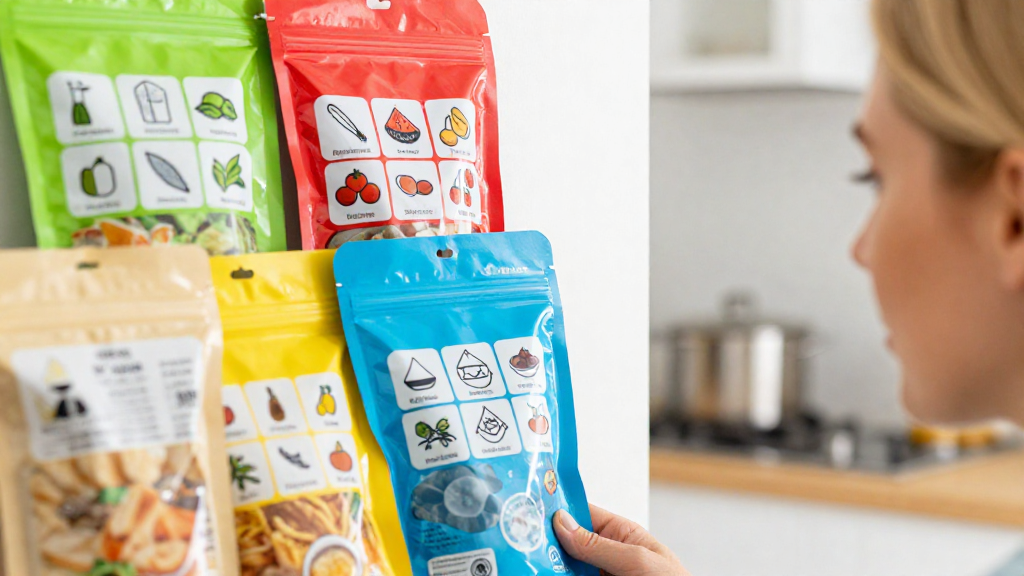
When it comes to food safety, understanding the meanings behind food safety symbols is crucial.
These symbols act as vital communication tools that help individuals and businesses ensure that food is handled, prepared, and stored safely.
What Are Food Safety Symbols?
Food safety symbols are graphical indicators used to convey important information regarding food handling and preparation.
They provide essential guidelines for consumers, kitchen staff, and food industry professionals to minimize the risk of foodborne illnesses.
These symbols can be found on packaging labels, signage in food preparation areas, and educational materials.
By decoding these symbols, we can better protect ourselves and our loved ones from food-related hazards.
Why Are Food Safety Symbols Important?
Food safety symbols are important for several reasons:
- Communication:
- They serve as a universal language that transcends verbal communication.
- Awareness:
- By recognizing these symbols, individuals become more aware of potential hazards and safe practices.
- Preventing Illness:
- Understanding food safety symbols can significantly reduce the risk of foodborne illnesses.
Thus, comprehending food safety symbols explained is essential for everyone involved in food consumption or preparation.
Where Can You Find Food Safety Symbols?
Food safety symbols can be found in various places, including:
-
Food Packaging:
- Many packaged foods carry symbols indicating allergens, expiration dates, and storage instructions.
-
Restaurants:
- Look for symbols that indicate safe food handling practices or hygiene inspections.
-
Food Safety Campaigns:
- Government and educational organizations often distribute materials featuring food safety symbols to educate the public.
-
Regulatory Agencies:
- Agencies such as the FDA or USDA provide guidance and standardization for food safety symbols.
What Do Common Food Safety Symbols Mean?
Understanding the meanings of common food safety symbols is crucial for safe food handling. Here are some key symbols and their explanations:
1. Cooked Food Symbol
This symbol often represents that food should be cooked to a specific temperature to ensure safety.
It is typically depicted as a thermometer icon and reminds consumers to check internal temperatures.
Standard Cooking Temperatures:
– Poultry: 165°F
– Ground meats: 160°F
– Seafood: 145°F
2. Chill Symbol
This symbol is usually illustrated with a snowflake or an ice cube, indicating that food must be kept cold to inhibit bacterial growth.
It’s essential to store perishables at temperatures below 40°F to maintain safety.
3. Cross-Contamination Symbol
Represented by a crossed-out icon of raw and cooked foods, this symbol warns against mixing raw and ready-to-eat items.
Proper segregation helps prevent the spread of harmful pathogens.
Tips to Avoid Cross-Contamination:
– Use separate cutting boards for meats and veggies.
– Keep raw food items on the bottom shelves of the refrigerator.
4. Allergen Symbols
Symbols indicating common allergens (like nuts, dairy, and gluten) are crucial for those with food sensitivities.
They usually appear as warning signs or exclamation marks.
It’s vital to check for these symbols on food packaging and menus to avoid adverse reactions.
5. Bacteria Growth Temperature Range
A thermometer with a shaded area often represents ideal temperatures for food storage, between 40°F and 140°F.
These are known as the “danger zone” temperatures where bacteria multiply rapidly.
Key Safety Tip:
– Keep food out of this temperature range for as little time as possible.
How Do Food Safety Symbols Help in the Kitchen?
Understanding food safety symbols explained can significantly improve hygiene and practices in kitchens. Here’s how they help:
1. Standardize Practices
Food safety symbols provide a consistent set of guidelines that can be universally understood.
This is especially vital in multi-national chains and establishments where staff may speak different languages.
2. Enhance Employee Training
By familiarizing staff with these symbols, training programs can become more effective.
Employees learn to identify key safety practices quickly, leading to better adherence.
3. Increase Consumer Trust
Consumers are more likely to trust establishments that prominently display adherence to food safety guidelines through symbols.
This can result in increased customer loyalty and improved business reputation.
4. Encourage Safe Consumer Practices
For home cooks, recognizing food safety symbols can foster better habits and lead to safer meals.
Families can ensure that the food they consume is handled correctly, reducing foodborne illnesses.
Conclusion: Why You Should Pay Attention to Food Safety Symbols
In today’s global food market, understanding food safety symbols is more relevant than ever.
From packaged goods to restaurant menus, they convey critical information that can influence health and safety.
By prioritizing knowledge about food safety symbols explained, we equip ourselves with the tools necessary to make informed choices regarding food handling and consumption.
In Summary:
– Recognize Common Symbols: Familiarize yourself with the most frequently encountered food safety symbols.
– Implement Best Practices: Apply the guidelines expressed through these symbols to enhance safety in the kitchen.
– Stay Informed: Regularly review food safety standards to remain aware of any updates to symbols or practices.
Adopting these measures not only protects individual health but also contributes to a culture of safety within the broader community.