In today’s fast-paced world, ensuring food safety is paramount. Yet, many individuals fall prey to food safety myths that can jeopardize health. Understanding these misconceptions is crucial for safe food handling and consumption.
What Are Some Popular Food Safety Myths?
Food safety myths abound, leading to misunderstanding and misinformed decisions regarding food preparation and storage.
Here are some common food safety myths that people often believe:
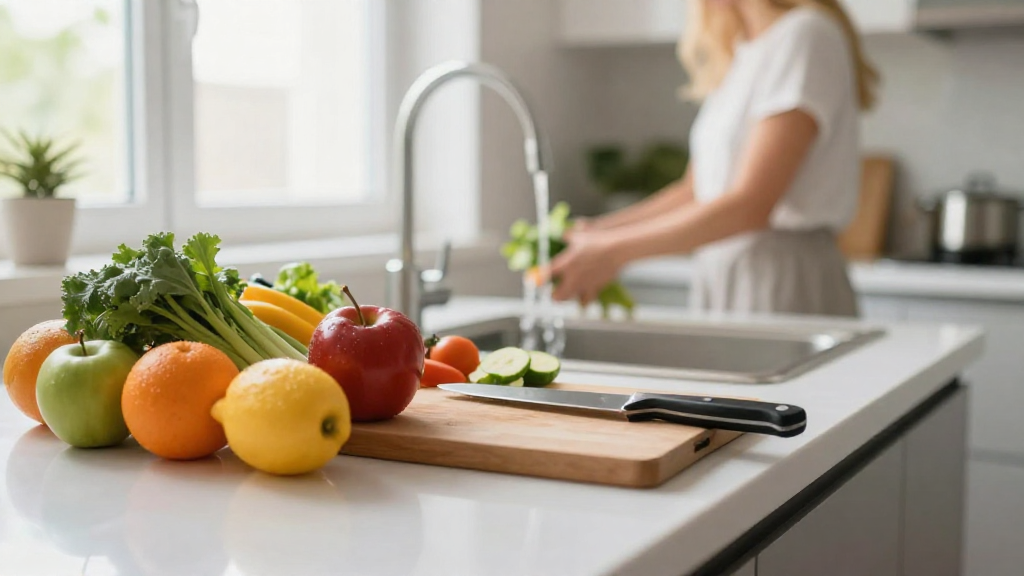
- Washing fruits and vegetables removes all pesticides.
While washing produce does remove some surface dirt and bacteria, it does not entirely eliminate pesticides.
To minimize exposure, choose organic options when possible and peel or trim excess skin.
- You can thaw food at room temperature.
Thawing food at room temperature can lead to the growth of harmful bacteria.
Instead, utilize one of the safe thawing methods:
- In the refrigerator
- Under cold running water
- In the microwave
- Eating raw eggs is safe if they’re fresh.
One of the most persistent food safety myths is that fresh eggs are safe to consume raw.
However, raw eggs can harbor Salmonella, which can lead to foodborne illness.
Cooking eggs thoroughly eliminates the risk.
- Brown eggs are healthier than white eggs.
Many believe that brown eggs are a sign of better quality or higher nutritional value.
In truth, the color of the egg depends on the breed of the hen and does not influence nutritional content.
Both brown and white eggs provide similar health benefits.
- You can taste-test food to determine if it’s bad.
Relying on your taste buds can be misleading when it comes to food safety.
Many harmful bacteria don’t alter the food’s flavor or smell.
To ensure food safety, it’s better to err on the side of caution and discard any questionable food.
Do Food Expiration Dates Matter?
Another frequent point of confusion revolves around expiration dates.
Many people misconstrue these dates, leading to waste or, worse, foodborne illness.
What Do ‘Use By’ and ‘Best By’ Really Mean?
-
‘Use By’ dates indicate the last day for peak freshness as determined by the manufacturer.
-
‘Best By’ dates suggest when the product will be at its best quality, although it may still be safe to consume after that date.
Should You Trust Your Eyes and Nose?
While visual inspection and smelling food can be helpful, they should not be the only methods for determining safety.
A study revealed that people rely too much on their senses, disregarding the actual risks associated with consuming expired food.
Why Is Cooking Food to the Right Temperature Important?
Cooking food to the right temperature is among the most crucial steps in ensuring food safety.
Many individuals underestimate the importance of proper cooking temperatures, leading to the proliferation of harmful microorganisms.
What are Safe Cooking Temperatures?
Here are some recommended safe temperatures for various foods:
-
Poultry (chicken, turkey): 165°F (74°C)
-
Ground meats (beef, pork, lamb): 160°F (71°C)
-
Beef steaks, pork chops: 145°F (63°C) (with a three-minute rest time)
How Does Using a Food Thermometer Help?
Using a food thermometer ensures that you’re reaching the necessary temperatures to kill any potentially dangerous bacteria.
This is especially important for dishes containing multiple ingredients, where heat may not distribute evenly.
What Are Food Safety Myths Surrounding Storage?
Food storage is another area riddled with food safety myths.
Understanding how to store food properly can prevent spoilage and foodborne illnesses.
What’s the Best Way to Store Leftovers?
Leftovers often fall victim to misconceptions about safe storage.
-
Cool them quickly: Refrigerate leftovers within two hours of cooking.
-
Store properly: Use shallow containers to allow them to cool evenly and quickly.
-
Keep track of time: Most leftovers are safe for up to three to four days in the fridge.
Can You Refreeze Thawed Food?
Many believe that once food has been thawed, it is unsafe to refreeze.
While this is partially true, the method of thawing matters:
-
Food thawed in the refrigerator can be refrozen without cooking.
-
Food thawed in cold water or the microwave should be cooked before refreezing.
What About Cross-Contamination?
Cross-contamination is one of the most critical issues in food safety that often gets overlooked.
This can occur when harmful bacteria from one food item transfer to another, especially between raw and cooked foods.
How Does Cross-Contamination Happen?
Common ways it can happen include:
-
Using the same cutting board for raw meat and vegetables without washing in between.
-
Improper storage: Storing raw meat above ready-to-eat foods in the fridge can lead to drips that contaminate.
What Can You Do to Prevent Cross-Contamination?
To minimize the risk:
-
Use separate cutting boards: Designate one for raw meat and another for fruits and vegetables.
-
Clean surfaces and utensils: Always wash hands, counters, and utensils with hot, soapy water after they come into contact with raw foods.
Conclusion: Why It’s Crucial to Dispelling Food Safety Myths
Understanding the facts about food safety can significantly impact your health and well-being.
By debunking common food safety myths, you can ensure a more secure and healthier kitchen environment.
Stay informed, and always prioritize knowledge when it comes to handling, cooking, and storing food.
This will not only protect you but also your family and friends from the dangers that lurk behind the food safety myths that are so easily believed.