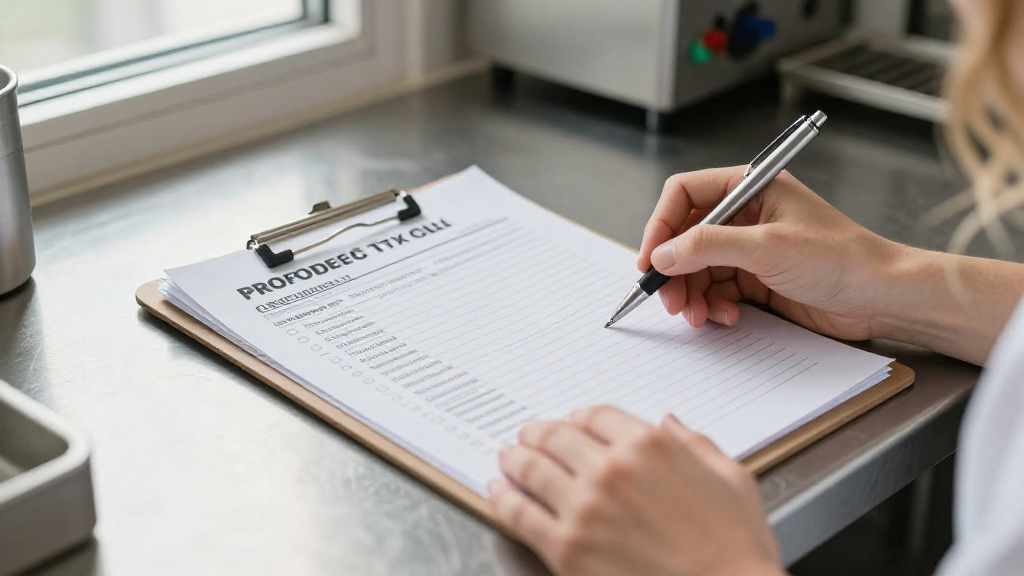
A food safety inspection checklist is an essential resource for restaurants, food manufacturers, and food service establishments to ensure that they comply with health and safety regulations.
What Are the Key Components of a Food Safety Inspection Checklist?
When conducting a food safety inspection, various aspects must be evaluated to ensure compliance with state and federal guidelines.
Here are the critical areas often included in a food safety inspection checklist:
1. Personal Hygiene of Staff
Proper hygiene is vital in preventing foodborne illnesses.
Inspectors check:
- Handwashing facilities to ensure they are readily available.
- Staff hygiene practices, including proper handwashing and the use of gloves.
- Employee illness policies to ensure staff members report when sick.
2. Food Storage Practices
The way food is stored significantly impacts safety. Inspectors look for:
- Proper labeling and dating of food items.
- Storage temperatures to verify that refrigerated and frozen items are at safe levels.
- Separation of raw and cooked foods to prevent cross-contamination.
3. Food Preparation Techniques
Safe food preparation methods are crucial. The checklist often includes:
- Use of sanitized equipment and surfaces during food prep.
- Cooking temperatures that must be met to eliminate harmful bacteria.
- Thawing practices ensuring that food is thawed in safe conditions (e.g., in the refrigerator or using cold running water).
4. Cleanliness of the Facility
Maintaining a clean environment helps to prevent contamination. Inspectors assess:
- Overall cleanliness of the kitchen and food preparation areas.
- Condition of floors, walls, and ceilings for signs of dirt and pests.
- Waste management practices, ensuring waste is disposed of properly.
5. Pest Control Measures
Pests can carry harmful bacteria and contaminate food. The checklist will evaluate:
- Signs of pest activity, such as droppings or nests.
- Effectiveness of pest control measures, like traps and barriers.
- Maintenance of exterior areas to reduce pest habitats.
6. Equipment Maintenance
Properly functioning equipment is crucial for food safety. Inspectors check for:
- Regular maintenance records of kitchen equipment.
- Correct operation of refrigeration and cooking equipment.
- Sanitation of kitchen tools and utensils.
7. Compliance with Local Regulations
It’s essential to meet local food safety standards. Inspections may include checking:
- Licenses and permits required for food businesses.
- Display of health inspection ratings for visibility to customers.
- Staff training records to ensure employees are educated on food safety protocols.
8. Documentation and Record Keeping
A robust record-keeping system is vital for tracking food safety compliance. The checklist may cover:
- Food safety training logs for staff.
- Temperature logs to ensure proper food storage practices.
- Incident reports of foodborne illnesses or breaches in safety protocols.
Why Is a Food Safety Inspection Checklist Important?
A food safety inspection checklist serves several critical functions for food establishments:
- Enhances Public Health: Ensures that food served to the public is safe and minimizes the risk of foodborne illnesses.
- Maintains Compliance: Helps businesses adhere to local health regulations and standards, avoiding legal complications.
- Improves Operational Efficiency: Streamlines the inspection process, making it easier to identify areas for improvement.
Who Conducts Food Safety Inspections?
Food safety inspections are generally conducted by:
- Local Health Departments: These agencies enforce food safety laws to ensure establishments meet safety standards.
- State and Federal Agencies: Organizations like the USDA and FDA may conduct inspections, especially in larger facilities.
How Often Should Food Safety Inspections Be Conducted?
The frequency of inspections varies by jurisdiction and type of food establishment. However, it’s generally recommended that:
- High-risk facilities (e.g., large restaurants and food processors) are inspected several times a year.
- Lower-risk facilities (e.g., convenience stores) might be inspected once a year.
Establishments can also conduct self-inspections using a food safety inspection checklist to proactively identify issues before official inspections.
How Can a Business Prepare for a Food Safety Inspection?
Preparation is key to a successful inspection. Here are steps businesses can take:
- Regularly review the food safety checklist: Familiarize staff with the inspection criteria.
- Conduct mock inspections: Evaluate compliance using the food safety inspection checklist to identify potential weaknesses.
- Keep records organized: Ensure all documentation is easily accessible for inspection.
- Train staff continuously: Regular training helps reinforce safe practices and keeps everyone informed.
Conclusion
Using a food safety inspection checklist is crucial for maintaining a safe food service environment.
By focusing on hygiene, food storage, preparation techniques, cleanliness, pest control, equipment maintenance, and compliance with regulations, businesses can create safer dining experiences for customers.
Regular inspections not only help ensure compliance but also serve to enhance the overall quality of food service establishments. By making food safety a priority, businesses can protect public health and maintain their reputation, ultimately leading to greater trust from customers.
Incorporating the elements of a food safety inspection checklist into daily operations ensures that food establishments can confidently serve their patrons safe and healthy meals.