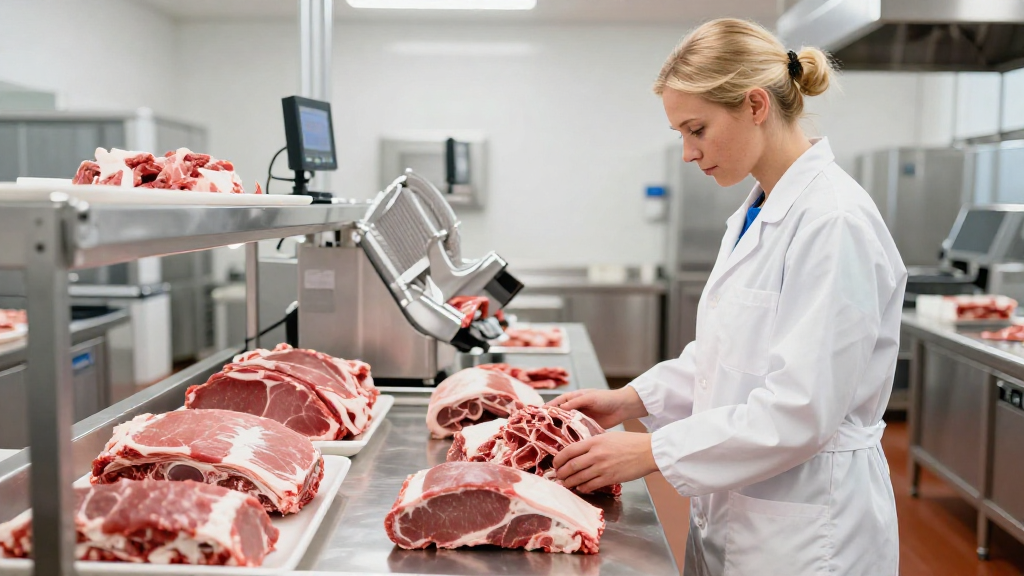
Ensuring food safety in the meat industry is vital for public health and consumer trust. The stakes are high, as improperly processed meat can lead to serious health issues. This article will explore the various practices and regulations that help maintain safety standards in the meat industry.
What Are the Key Challenges to Food Safety in the Meat Industry?
Food safety in the meat industry faces several challenges:
- Contamination Risks: Meat is susceptible to bacterial contamination during processing, transport, and handling.
- Pathogens: Bacteria such as Salmonella, E. coli, and Listeria are common in raw meat.
- Temperature Control: Maintaining appropriate temperatures during storage and transport is crucial.
- Cross-Contamination: This can occur when raw meat comes into contact with ready-to-eat foods or surfaces.
These challenges necessitate a robust food safety system that includes rigorous standards and best practices.
What Regulations Govern Food Safety in the Meat Industry?
In the United States, food safety in the meat industry is regulated by several key organizations:
-
USDA (United States Department of Agriculture): Specifically, the Food Safety and Inspection Service (FSIS) oversees the safety of meat, poultry, and egg products.
-
FDA (Food and Drug Administration): Regulates other aspects of food safety, including the safety of feed and ingredients used in meat production.
-
State Agencies: Many states have their own agencies that complement federal efforts.
These organizations establish regulations for processing plants, inspect facilities, and enforce compliance through routine inspections and audits.
How Do Processing Plants Ensure Food Safety?
Processing plants employ various strategies to maintain food safety in the meat industry:
-
Hygiene Practices: Workers are trained in hygiene and sanitation. This includes regular handwashing and the use of gloves.
-
Facility Sanitation: Regular cleaning schedules and maintenance of equipment help prevent cross-contamination.
-
Hazard Analysis and Critical Control Points (HACCP): This system focuses on identifying potential hazards throughout the production process and implementing control measures to mitigate them.
-
Temperature Monitoring: Keeping meat at safe temperatures during processing and storage is critical.
-
Traceability Systems: This allows companies to trace back any issues to specific farms or production lots.
By adhering to these practices, processing plants can significantly reduce contamination risks.
How Is Meat Handled Post-Processing?
After meat has been processed, handling it safely is equally important for maintaining food safety in the meat industry.
Here’s how this is typically achieved:
-
Proper Packaging: Meat products are packaged in materials that limit exposure to air and microorganisms.
-
Temperature Control during Transport: Refrigerated trucks are essential for maintaining meat at appropriate temperatures.
-
Handling Protocols: Employees are trained in safe handling techniques to minimize contamination risk during loading and unloading.
-
Retail Handling: Grocery stores play a critical role in maintaining food safety. They must follow guidelines for displaying and storing meat products.
By ensuring safe handling practices after processing, the entire supply chain helps reduce potential hazards.
How Does Consumer Education Play a Role?
Consumer awareness is a key element in maintaining food safety in the meat industry.
Educating consumers about safe handling and preparation practices can significantly reduce the risk of foodborne illness.
Here are some essential tips for consumers:
-
Thorough Cooking: Cooking meat to the recommended internal temperature kills harmful bacteria.
-
Avoiding Cross-Contamination: Separate raw meat from other foods in the kitchen, and use different cutting boards for meat and veggies.
-
Proper Storage: Store meat in the refrigerator or freezer to reduce bacterial growth.
-
Regular Cleaning: Keep kitchen surfaces and utensils clean to prevent contamination.
By promoting knowledge around safe meat handling and preparation, consumers can better protect themselves and their families.
What Role Does Technology Play in Food Safety?
Innovative technology is reshaping the landscape of food safety in the meat industry. Here are some technological advancements:
-
Automated Monitoring Systems: These systems track temperature and humidity levels, ensuring environmental controls remain optimal.
-
Blockchain Technology: This enhances traceability and transparency throughout the supply chain, allowing for quicker response times in case of contamination.
-
Food Safety Software: Programs designed to manage compliance and inspections help companies adhere to safety regulations effectively.
-
Pathogen Detection Technologies: Rapid testing methods allow for quicker identification of harmful bacteria in products.
By integrating technology into food safety processes, the meat industry can enhance efficiency and minimize risks.
What Are the Benefits of Adhering to Food Safety Standards?
Adhering to strict food safety guidelines in the meat industry offers several benefits:
-
Protects Consumer Health: Reduces the risk of foodborne illnesses and boosts consumer confidence.
-
Increases Product Quality: A safer product often correlates with higher quality, leading to better consumer satisfaction.
-
Enhances Marketability: Companies that prioritize food safety can differentiate themselves in the market.
-
Regulatory Compliance: Adherence to regulations minimizes the risk of fines, recalls, and legal actions.
Overall, maintaining high food safety standards is not only essential for public health but also beneficial for business viability.
Conclusion: Why Is Food Safety Important in the Meat Industry?
Maintaining food safety in the meat industry is a multi-faceted endeavor involving numerous practices, technologies, and regulations.
From farm to table, every segment of the supply chain has a role to play.
With the combined efforts of regulatory agencies, processing plants, retail establishments, and consumers, the meat industry can work towards minimizing risks, enhancing consumer trust, and ensuring public health.
Ultimately, a commitment to food safety not only preserves health but also supports the economic viability of the meat industry as a whole.
By implementing best practices, utilizing technology, and fostering consumer awareness, we can collectively contribute to a safer food environment.
Food safety in the meat industry is a critical issue that requires ongoing attention and action from all stakeholders involved.