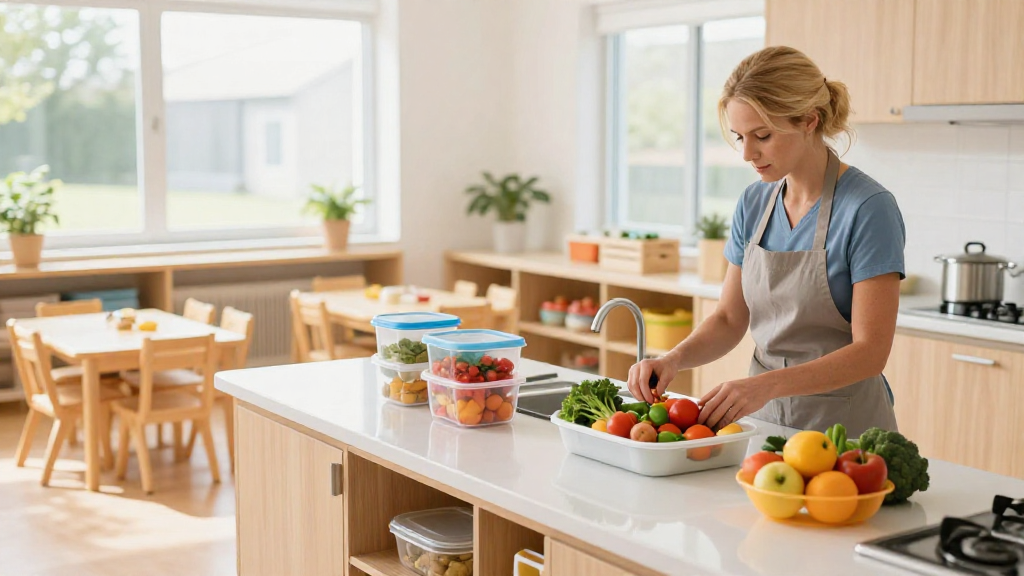
Food safety in daycare is a critical concern for parents and caregivers alike.
Ensuring that meals and snacks provided to young children are safe and nutritious plays a vital role in their health and development. In this article, we will explore how food safety is handled in daycare settings, the guidelines that must be followed, and the best practices that can be implemented to maintain a safe eating environment.
What Are the Main Food Safety Protocols in Daycare?
To ensure food safety in daycare, various protocols must be followed.
These protocols are designed to minimize risks of foodborne illnesses and provide guidelines for proper food handling and storage. Here are some key areas of focus:
-
Proper Food Handling
– Staff must be trained on how to handle food safely, including washing hands thoroughly before food preparation.
– Utensils and surfaces should be sanitized frequently to avoid cross-contamination. -
Food Storage Standards
– Foods should be stored at appropriate temperatures to prevent spoilage.
– It’s crucial to label and date all items to ensure that older products are used first. -
Meal Preparation Guidelines
– Cooking temperatures must be maintained to ensure that foods are cooked through and edible.
– Raw and cooked foods should never be mixed to prevent contamination. -
Monitoring Food Quality
– Regular checks on food freshness and expiration dates should be performed.
– Staff should conduct sensory evaluations (sight, smell, and taste) on meals before serving.
How Is Food Safety Ensured During Meal Times?
Food safety in daycare extends beyond food preparation.
It is essential to consider how meals are served and consumed in order to maintain overall safety. Here are some best practices:
Can Meal Environments Affect Food Safety?
Yes, the environment where meals are served can greatly impact food safety.
Here are some considerations for meal environments:
-
Clean Eating Areas
Ensure that tables, chairs, and any surfaces are cleaned and sanitized before and after each mealtime. -
Seating Arrangements
Children should be supervised during meals to minimize messes and prevent sharing of food that could lead to illness. -
Allergy Awareness
Establish a clear system for identifying children with food allergies.
This includes having separate meals for those with allergies and strict protocols for avoiding cross-contact with allergens.
How Is Training Provided to Daycare Staff?
Ongoing training in food safety is essential for daycare staff.
Ensuring that all caregivers are knowledgeable about food safety in daycare helps maintain a consistent standard. Here are some training methods:
-
Regular Workshops
Schedule workshops to refresh staff on food safety policies and innovations in food handling. -
Certification Programs
Provide opportunities for staff to obtain food safety certifications.
This ensures they are well-versed in current health regulations. -
Resource Availability
Make manuals and reference materials readily available so that staff can easily consult them when needed.
What Are the Regulations Governing Food Safety in Daycare?
Food safety in daycare is governed by several regulations at both state and federal levels.
Here’s what you need to know:
-
Department of Health Guidelines
Local health departments often set specific rules regarding food preparation, storage, and handling procedures. -
Child and Adult Care Food Program (CACFP)
The CACFP provides guidelines for nutrition and food safety standards for daycare providers participating in federal meal programs. -
State Licensing Requirements
States have specific licensing requirements that may include regular inspections of food storage and handling practices. -
Food Safety Auditing
Some daycare facilities are subject to annual food safety audits.
These audits help ensure compliance with safety protocols and identify areas for improvement.
How Can Parents Contribute to Food Safety in Daycare?
Parents play a significant role in promoting food safety in daycare.
Here are ways parents can contribute:
-
Label Lunches
Ensure that any packed lunches are labeled with the child’s name and the date.
This helps staff manage food storage effectively. -
Communicate Allergies
Be proactive in informing daycare staff about any food allergies or dietary restrictions.
This transparency aids in preventing potential health risks. -
Participate in Parent Meetings
Attend parent meetings to learn about the daycare’s food safety policies and express any concerns you may have.
What Resources Are Available for Education on Food Safety?
Education on food safety in daycare is important for both staff and parents.
Here are some helpful resources:
-
USDA Guidelines and Fact Sheets
The United States Department of Agriculture offers valuable information on food safety practices. -
Local Health Department Resources
State and local health departments provide educational materials, workshops, and even certification programs. -
Online Training Programs
Several organizations offer online training focused on food safety, which can be convenient for busy daycare providers.
Conclusion: Why Is Food Safety in Daycare Crucial?
Food safety in daycare settings is vital for protecting the health of young children.
By implementing strict food handling protocols, training staff adequately, and maintaining open communication with parents, caregivers can create a safe and nurturing environment for kids to grow and thrive.
Ultimately, a commitment to food safety not only protects children from potential health issues but also gives parents peace of mind, allowing them to focus on what truly matters—watching their little ones learn and explore the world around them.