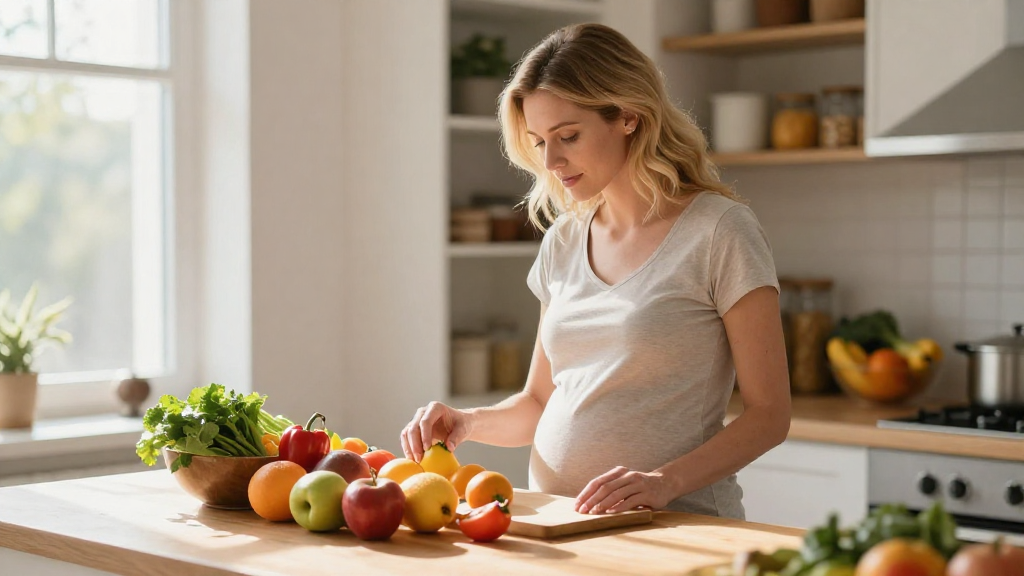
When it comes to food safety for pregnant women, ensuring the health of both mother and baby is of paramount importance.
In this article, we will explore essential food safety tips that all expectant mothers should follow to safeguard their health and that of their child.
Why is Food Safety Crucial During Pregnancy?
Maintaining proper food safety for pregnant women is vital due to the increased risks associated with foodborne illnesses.
Pregnant women are more susceptible to infections and negative health outcomes caused by harmful bacteria, viruses, and parasites.
These pathogens can adversely affect not just the mother, but also the developing fetus, leading to serious complications.
Here are some reasons emphasizing the importance of food safety during pregnancy:
- Weakened immune system: Pregnancy naturally alters a woman’s immune response, making her more vulnerable to infections.
- Developmental risks for the baby: Certain foodborne illnesses can lead to miscarriage, premature birth, or developmental issues.
- Higher stakes: The food safety standard is higher, as what a pregnant woman consumes directly influences her baby’s health.
What Should Pregnant Women Avoid?
Understanding what to avoid is a critical element of food safety for pregnant women.
Here are the main categories of food and beverages that should be restricted or eliminated:
1. Raw or Undercooked Animal Products
- Eggs: Avoid raw or lightly cooked eggs, such as in some homemade dressings or eggs benedict, which can harbor Salmonella.
- Meat: Be cautious with undercooked or raw meat, especially poultry, beef, and seafood, to prevent exposure to harmful bacteria like Listeria or E. coli.
2. Certain Types of Fish and Shellfish
- Fish High in Mercury: Certain fish, such as shark, swordfish, king mackerel, and tilefish, should be avoided due to their high mercury content, which can harm fetal brain development.
- Raw Seafood: Sushi and shellfish should also be avoided, as they can contain harmful bacteria and viruses.
3. Unpasteurized Products
- Dairy Products: Always opt for pasteurized milk and dairy products to reduce the risk of Listeriosis, which can lead to severe complications in pregnancy.
- Juices: Unpasteurized fruit and vegetable juices can harbor harmful pathogens, so ensure they are pasteurized.
4. Processed and Packaged Foods
- Ready-to-Eat Meals: Be cautious with pre-packaged deli meats and prepared salads, which can be sources of Listeria.
- Pre-packaged Models: Processed snacks like certain cheese products can also introduce potential foodborne hazards.
What Are Essential Cooking and Preparation Practices?
Proper cooking and food preparation is a key aspect of food safety for pregnant women.
Here are some vital cooking practices to keep in mind:
1. Cook Foods Thoroughly
- Use a Food Thermometer: Ensure meats reach safe internal temperatures:
- Poultry: 165°F (74°C)
- Ground meats: 160°F (71°C)
- Steaks and roasts: 145°F (63°C)
2. Wash Hands Frequently
- Before and After Food Preparation: It’s essential to wash hands with soap and warm water for at least 20 seconds.
- After Handling Raw Foods: Always wash hands after touching raw meats, eggs, or produce.
3. Clean Surfaces and Utensils
- Sanitize Cutting Boards: Use separate cutting boards for raw meats and other foods to avoid cross-contamination.
- Disinfect Kitchen Surfaces: Regularly clean countertops and kitchen utensils to eliminate bacteria.
Are There Safe Food Storage Techniques?
When considering food safety for pregnant women, proper food storage is equally important.
Employ these food storage techniques to minimize risks:
1. Refrigeration and Freezing
- Keep Refrigerators Cold: Set your refrigerator to 40°F (4°C) or below to inhibit bacterial growth.
- Freeze If Necessary: Immediately store leftovers in airtight containers and freeze them if not consumed within 2 hours.
2. Date Labeling
- Label Everything: Use labels to indicate the date items are prepared or opened, ensuring you consume items before they expire.
- First In, First Out (FIFO): Place older items in front and new items at the back when restocking.
What Are the Safe Eating Habits to Adopt?
Food safety for pregnant women extends beyond just cooking and storage.
Adopting safe eating habits will further protect both mother and child.
Consider these habits:
1. Eat a Balanced Diet
- Include Nutrient-Rich Foods: Focus on fruits, vegetables, whole grains, lean proteins, and healthy fats.
- Increase Folate Intake: Choose foods enriched with folate, as it’s crucial for fetal development.
2. Hydration is Key
- Drink Plenty of Water: Aim for at least 8–10 glasses of water daily to stay hydrated and flush out toxins.
- Limit Caffeine and Sugary Drinks: Reduce caffeine intake and choose natural juices or water over sugary sodas and beverages.
3. Mindful Snacking
- Choose Healthy Snacks: Opt for nuts, yogurt or fruit instead of processed snacks high in sugar and unhealthy fats.
- Watch Portion Sizes: Eating smaller, more frequent meals can help maintain stable blood sugar levels.
Conclusion: How Can Pregnant Women Stay Informed?
Staying informed and diligent about food safety for pregnant women is essential for ensuring a healthy pregnancy.
By understanding the risks, implementing safe cooking and storage practices, and adopting healthy eating habits, expectant mothers can make choices that greatly benefit their health and that of their bouncing baby.
While pregnancy can be an exciting time, it comes with added responsibilities concerning health and nutrition.
So, always remember to prioritize safety, stay informed, and consult your healthcare provider for personalized advice on food safety related to your pregnancy.
Your commitment to following these food safety tips will contribute enormously to the well-being of you and your baby.