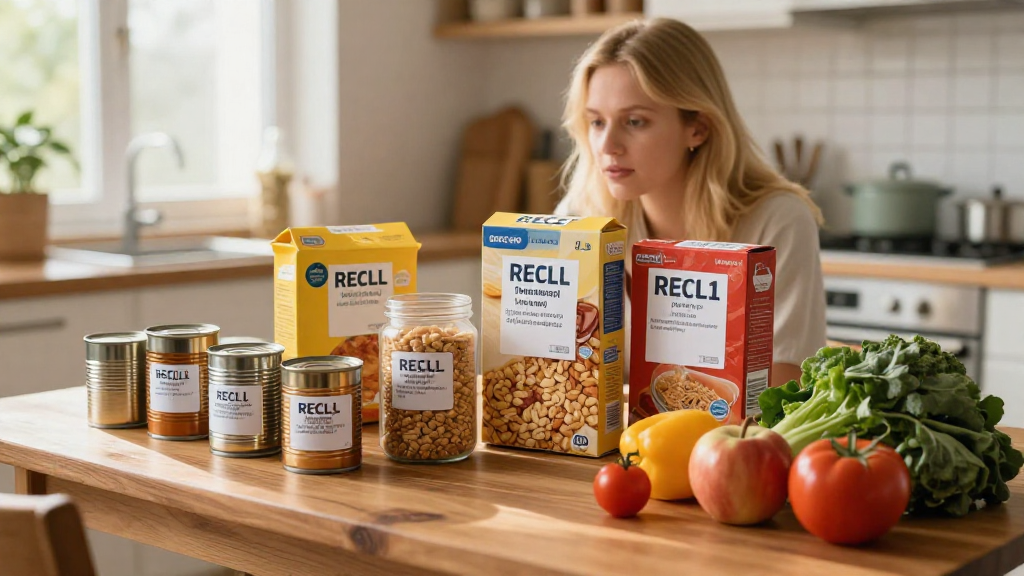
Throughout food recall history, several significant and alarming incidents have shaped the way food safety is approached today. Understanding these food recalls can provide valuable insights into the complexities of food safety and the importance of regulatory measures.
What Defines a Food Recall?
A food recall is a request by a company to return a product from consumers due to potential health risks.
This can occur due to contamination, labeling errors, or the presence of undeclared allergens.
Recalls can happen at various levels, such as:
- Retail Level: When a product is pulled from grocery stores and supermarkets.
- Distribution Level: When products are removed from the supply chain before reaching consumers.
- Consumer Level: When consumers are asked to return a product they have already bought.
The goal of a food recall is to protect public health and ensure consumer safety as much as possible.
What Are Some Major Food Recalls in History?
1. The Tylenol Murders in 1982
One of the most infamous cases in food recall history is the Tylenol murders.
This case involved the poisoning of Tylenol capsules with potassium cyanide, leading to the deaths of seven people in the Chicago area.
Johnson & Johnson responded promptly by:
- Recalling 31 million bottles of Tylenol
- Implementing strict safety measures
- Introducing tamper-proof packaging
The incident led to significant changes in product safety regulations and consumer safety awareness.
2. The Peanut Corporation of America Scandal (2009)
In 2009, the Peanut Corporation of America was linked to a major salmonella outbreak.
This food recall affected over 3,600 products involving peanut butter and peanut paste.
The outbreak resulted in:
- Over 700 illnesses reported
- Nine deaths
- A national recall that included popular brands and private labels
As a result, this incident prompted a reevaluation of food safety laws, culminating in the Food Safety Modernization Act (FSMA) of 2011.
3. The 2011 Listeria Outbreak Related to Canteloupe
In 2011, a listeria outbreak tied to cantaloupes from Colorado’s Jensen Farms resulted in:
- 147 confirmed cases of illness
- 33 deaths across 28 states
The recall was unprecedented in its scope as it involved an entire crop, leading to:
- Increased scrutiny of produce handling practices
- Stricter regulation from the FDA
The cantaloupe recall significantly impacted the produce industry and raised awareness about the critical need for sanitary practices.
4. The Chipotle E. Coli Outbreak (2015)
In 2015, Chipotle Mexican Grill experienced a series of E. coli and norovirus outbreaks across several states.
These incidents severely impacted the brand’s reputation and led to:
- Multiple food recalls
- A 36% drop in sales during the crisis
As a response, Chipotle implemented stricter food safety protocols, including:
- Enhanced employee training
- Sourcing ingredients from trusted suppliers
This case highlights how a food recall can have long-lasting effects on consumer trust and brand image.
5. The 2018 Romaine Lettuce E. Coli Outbreak
In late 2018, an outbreak of E. coli linked to romaine lettuce resulted in widespread illness.
This outbreak led to:
- A nationwide recall of romaine lettuce, with effects felt far beyond just leafy greens
- Over 200 reported illnesses across 36 states
The CDC advised consumers to avoid all romaine lettuce until the source of the contamination was identified.
This recall was noteworthy for its scope and impact on farms and consumers alike.
6. Nestlé Toll House Cookie Dough Recall (2009)
In 2009, Nestlé recalled cookie dough due to potential contamination with E. coli.
This incident was particularly concerning because it affected a beloved consumer product used in homes across the U.S.
Key points of the recall included:
- Over 300,000 packages were removed from shelves
- This prompted additional investigations into other Nestlé products for safety
The reaction from consumers highlighted the importance of safe food production practices even in widely trusted brands.
What Can We Learn from Food Recall History?
Importance of Monitoring and Reporting
Food recalls emphasize the importance of continuous monitoring of food products.
Regular testing and real-time reporting systems can help ensure food safety and minimize risks.
Consumer Awareness and Education
Understanding food recall history is vital for consumers.
Staying informed about food recalls can:
- Protect your health
- Promote safer eating habits
Regulatory Changes and Improvements
Each major food recall has led to enhanced regulations.
From improved labeling standards to better tracking systems within the supply chain, every incident prompts businesses and government agencies to adapt.
Supply Chain Transparency
Today’s consumers demand transparency from food producers.
Keeping track of the source of food products and understanding sourcing practices can go a long way in preventing future food safety issues.
How Common Are Food Recalls Today?
Food recalls are not uncommon, with the FDA reporting thousands of recalls each year.
These recalls can vary in severity, from minor labeling issues to serious contamination concerns.
Staying updated with platforms such as the FDA’s recall site or other tracking resources is essential for consumers who wish to avoid potentially dangerous products.
Conclusion
Food recalls have played a critical role in shaping food safety practices over the years.
By examining food recall history, we can learn from past mistakes and advocate for safer food production and distribution methods.
As consumers, staying informed and aware can make all the difference in ensuring the safety of the foods we consume.
In a world full of potential risks, knowledge and awareness are key to keeping ourselves and our families safe.