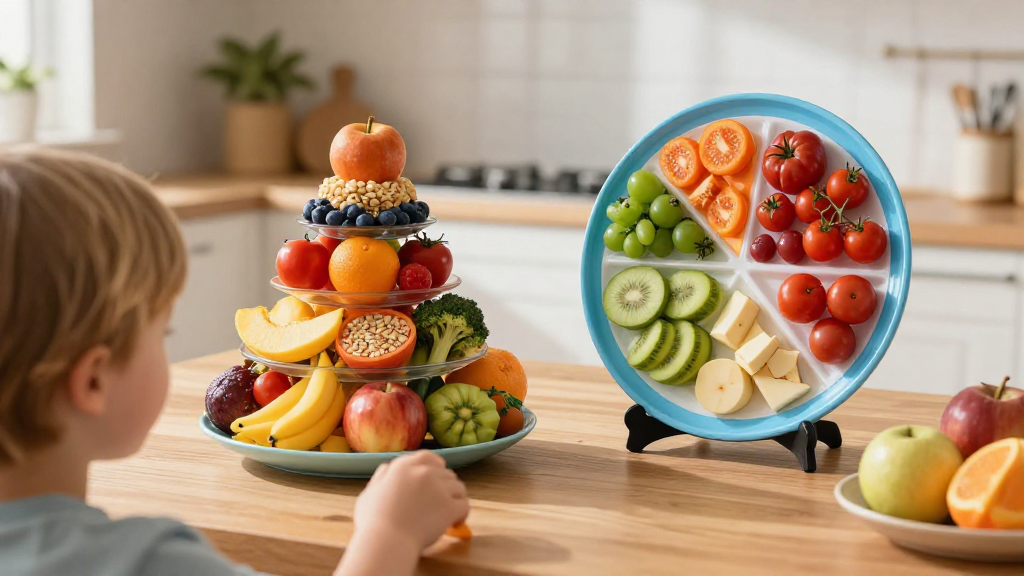
When it comes to nutritional guidance, understanding the difference between the food pyramid and MyPlate can impact healthy eating choices.
What Are the Food Pyramid and MyPlate?
The food pyramid was developed in the early 1990s by the United States Department of Agriculture (USDA) as a visual representation of how to balance food intake.
Its layers were organized by food groups, with each layer representing the recommended servings to consume from each group.
In contrast, MyPlate was introduced by the USDA in 2011 as a more modern guide to healthy eating.
Unlike the food pyramid, MyPlate uses a circular plate model to illustrate the proportions of different food groups.
Why Was the Food Pyramid Created?
The food pyramid was designed to:
- Simplify the understanding of nutritional guidelines.
- Encourage Americans to consume a balanced diet featuring all essential food groups.
- Provide a visual structure to help people make healthier choices.
The pyramid consisted of five main food groups divided into sections:
- Grains
- Vegetables
- Fruits
- Dairy
- Protein
Each section was sized according to dietary recommendations, encouraging larger portions of grains and smaller portions of oils and sweets.
However, over the years, criticism grew regarding its effectiveness, leading to the development of MyPlate.
What is MyPlate and How is it Different?
MyPlate represents a shift toward visual simplicity.
Here’s how MyPlate differs from the food pyramid:
-
Visual Format:
– MyPlate uses a circular plate divided into four sections with a side of dairy.
– The sections include grains, protein, vegetables, and fruits.
– This design reflects how meals are typically served and encourages balanced plates at each meal. -
More Tailored to Individuals:
– MyPlate encourages personalization based on dietary needs, activity levels, and age.
– It also emphasizes portion control through the use of plate size rather than pyramid layers. -
Focus on Whole Foods:
– MyPlate promotes the consumption of whole, nutrient-dense foods.
– It encourages filling half of the plate with fruits and vegetables, which aligns with modern dietary guidelines. -
Updated Nutritional Guidelines:
– MyPlate is updated to reflect current research and recommendations.
– It incorporates the Dietary Guidelines for Americans, which are revised every five years.
How Do Food Groups Compare?
Food Group Breakdown: Food Pyramid vs MyPlate
- Grains:
- Food Pyramid: At the base, suggesting 6-11 servings daily.
-
MyPlate: Suggests making half of your grains whole grains, without specific default serving sizes.
-
Fruits:
- Food Pyramid: Recommends 2-4 servings daily.
-
MyPlate: Encourages filling one-fourth of your plate with fruits.
-
Vegetables:
- Food Pyramid: Recommends 3-5 servings daily.
-
MyPlate: Suggests making half your plate vegetables.
-
Protein:
- Food Pyramid: Suggests 2-3 servings daily of meat, fish, beans, and nuts.
-
MyPlate: Includes protein in a quarter of your plate and stresses a variety of sources.
-
Dairy:
- Food Pyramid: 2-3 servings of milk, yogurt, and cheese.
- MyPlate: Places dairy as a side, encouraging low-fat and fat-free options.
Ultimately, Which is More Effective?
When comparing food pyramid vs MyPlate, it’s essential to consider the target audience and the evolving understanding of nutrition.
The food pyramid served its purpose in educating Americans about balanced diets for over two decades.
However, MyPlate addresses some shortcomings with a more contemporary and relatable approach.
Research suggests that MyPlate encourages:
- Increased fruit and vegetable consumption.
- Better understanding of portion sizes.
- Personalized meal planning.
How Can You Implement These Guidelines into Your Life?
Transitioning from understanding the food pyramid vs MyPlate to practical implementation is crucial for achieving a healthy diet. Here are a few tips:
-
Fill Your Plate: Aim to fill half of your plate with fruits and vegetables at every meal.
-
Choose Whole Grains: Opt for whole grain options (e.g., brown rice, whole-wheat bread) whenever possible.
-
Lean Proteins: Incorporate a variety of protein sources, such as beans, poultry, and fish.
-
Dairy Smartly: Include low-fat dairy options, like yogurt or milk, as a side or a part of meals.
-
Stay Informed: Regularly check the Dietary Guidelines for Americans for new updates or recommendations.
Conclusion: Which One Should You Follow?
Understanding the food pyramid vs MyPlate aids in making informed dietary choices.
While the food pyramid laid the foundation for dietary education, MyPlate has adapted to contemporary lifestyles, making it more relevant.
Ultimately, you can benefit from both systems.
By recognizing the importance of a balanced diet, using MyPlate as your guide, and adhering to the fundamental principles established by the food pyramid, you can create a nutritious and balanced lifestyle.
Whether you lean toward one model or incorporate aspects of both, making informed food choices is vital for your health and well-being.
With the right approach, you can take charge of your nutrition, enjoying a varied and balanced diet every day.