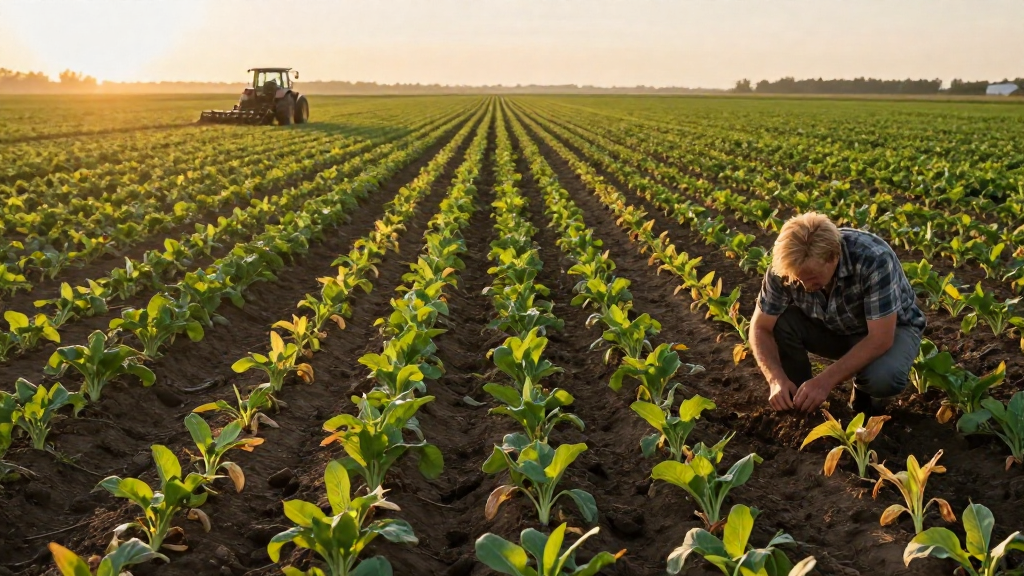
Food production challenges are a pressing issue that affects everyone on the planet.
From farmers to consumers, understanding these challenges is vital for developing sustainable solutions.
In this article, we will delve deeper into the key challenges in food production and explore the implications they have on global food security.
What Are the Major Food Production Challenges?
Food production challenges can be broadly categorized into several key areas:
- Climate Change
Climate change significantly alters weather patterns, resulting in:
- Droughts that threaten crop yields.
- Flooding that can devastate agricultural lands.
- Increased temperatures that affect the growth cycles of crops and livestock.
Farmers must adapt to these changing conditions and find innovative ways to mitigate their effects.
- Resource Scarcity
Natural resources like water and arable land are becoming increasingly scarce.
- Water scarcity impacts irrigation practices, affecting crop productivity.
- Soil degradation from over-farming and chemical use leads to less productive land.
Sustainable resource management and conservation strategies are necessary to combat this challenge.
- Pest and Disease Management
The rise of pests and crop diseases poses a significant threat to food crops.
- New strains of pests have developed resistance to commonly used pesticides, resulting in increased crop losses.
- Invasive species disrupt local ecosystems and agricultural practices.
Farmers must stay informed about integrated pest management strategies to address these issues.
- Supply Chain Disruptions
The food supply chain is complex and vulnerable to disruptions.
- Events like natural disasters, trade wars, and pandemics can hinder transportation and distribution.
- Ethical concerns surrounding labor practices in the food supply chain further complicate matters.
Developing a resilient food supply chain is critical for enduring these challenges.
- Economic Constraints
Many farmers face financial challenges that limit their production capacity.
- The high cost of inputs like seeds, fertilizers, and equipment can hinder small-scale farmers.
- Market fluctuations and trade policies further complicate their financial landscape.
Access to credit and fair market practices is essential for supporting farmers economically.
- Consumer Demand and Food Waste
Changing consumer preferences and increasing population lead to higher demand for food.
- The rise of a health-conscious consumer base pressures producers to provide organic and sustainable options.
- Simultaneously, food waste is a significant issue, with approximately one-third of food produced being wasted annually.
Implementing effective waste reduction strategies can alleviate some pressure from food production challenges.
How Can Technology Help Solve Food Production Challenges?
Technology plays a vital role in addressing food production challenges:
- Precision Agriculture
This involves the use of GPS, sensors, and data analytics to optimize crop yields.
- Farmers can monitor field variability, allowing for efficient resource use.
- This approach leads to lower input costs and reduced environmental impact.
- Biotechnology
Genetically modified organisms (GMOs) can be engineered to withstand harsh conditions.
- Crops can be made resistant to pests, diseases, and climate stresses.
- This technology increases food security by improving yield reliability.
- Vertical Farming
This innovative approach allows for food production in urban environments.
- Vertical farms use less land and water compared to traditional farming methods.
- They also minimize transportation costs and carbon footprints.
- Blockchain Technology
Blockchain can enhance transparency in the food supply chain.
- Consumers can trace the origin of their food, ensuring ethical sourcing.
- Farms can better manage their stock and predict demand.
What Role Do Policies Play in Addressing Food Production Challenges?
Policies and regulations are essential in tackling food production challenges:
- Subsidies and Financial Support
Governments can provide financial assistance to struggling farmers.
- This support can help farmers invest in sustainable practices and technologies.
- Programs designed to encourage conservation can also be beneficial.
- Sustainability Regulations
Implementing regulations can promote sustainable agricultural practices.
- These may include limits on chemical use, incentives for organic farming, and water conservation measures.
- Such policies ensure that agricultural practices do not harm the environment.
- Research and Development Funding
Investing in agricultural research drives innovation.
- Governments should prioritize funding for research in sustainable farming methods and crop resilience.
- This support encourages the development of new technologies that can mitigate food production challenges.
- Trade Policies
Fair trade policies can help ensure equitable market access.
- Reducing tariffs on agricultural products can support smallholder farmers.
- Fair-trade practices can enhance economic stability in farming communities.
What Can Consumers Do to Alleviate Food Production Challenges?
Consumers play a crucial role in mitigating food production challenges through their choices:
- Support Local Farmers
Purchasing locally-grown food reduces transportation emissions and supports local economies.
- Farmers’ markets and community-supported agriculture programs promote fresh produce consumption.
- This helps sustain local agriculture and reduce reliance on industrial farming.
- Reduce Food Waste
Consumers can significantly impact food waste reduction by:
- Planning meals and buying only what they need.
- Utilizing leftovers creatively and composting food scraps.
- Advocate for Sustainable Practices
Consumers can advocate for policies that promote sustainable agriculture.
- Joining consumer advocacy groups can amplify their voices.
- Supporting businesses that prioritize sustainability encourages systemic change.
- Educate Themselves and Others
Knowledge is power in combating food production challenges.
- Learning about sustainable agriculture and food sources can encourage informed choices.
- Sharing information with others can lead to a more conscious consumer base.
Conclusion
Food production challenges are multifaceted and require collaborative efforts from farmers, policymakers, consumers, and technology innovators.
By understanding these challenges and actively seeking solutions, we can work towards a more sustainable and secure food system for all.
As we face climate change, resource scarcity, and evolving consumer demands, addressing food production challenges remains critical to ensuring food security for future generations.
Engaging in sustainable practices, supporting local economies, and leveraging technology will help empower every stakeholder in the food production journey.
It’s essential for everyone to recognize their role in a sustainable food system and take action today.