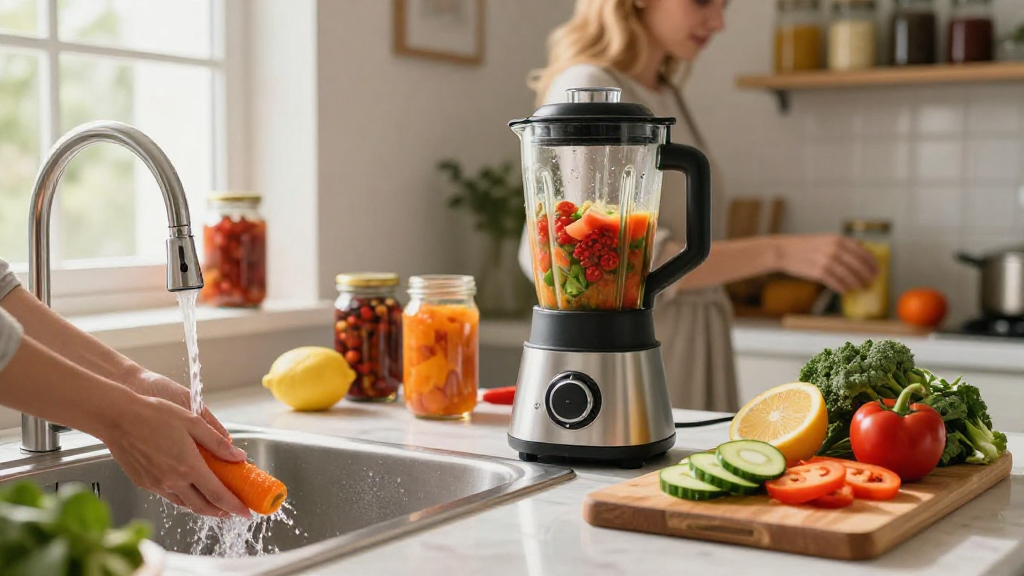
Understanding the food processing stages is crucial for anyone interested in the food industry.
What Are the Key Food Processing Stages?
Food processing involves a series of stages aimed at transforming raw ingredients into safe, nutritious, and marketable food products.
These food processing stages can be categorized into several key phases:
- Preparation
- Preservation
- Packaging
- Distribution
- Marketing
Preparation includes the initial steps of handling and preparing raw materials, while preservation encompasses techniques to extend the shelf life and maintain the quality of the final product.
How Does Preparation Influence Food Processing Stages?
The preparation stage is the first step in food processing.
This phase focuses on:
-
Selection of Raw Materials: Choosing high-quality ingredients is crucial.
-
Cleaning and Washing: Ensure all raw ingredients are free from dirt, pesticides, and contaminants.
-
Cutting and Slicing: This step can affect cooking times and nutritional value.
Effective preparation sets the tone for the subsequent food processing stages
and can significantly influence the final product’s quality.
What Techniques Are Used in the Preservation Stage?
Preservation techniques are essential for enhancing food safety and extending shelf life.
Common methods include:
-
Canning: Involves sealing food in airtight containers and heating them to kill microorganisms.
-
Freezing: Reduces the temperature to stop bacteria from growing.
-
Dehydration: Removes moisture to inhibit microbial growth.
-
Fermentation: Utilizes beneficial bacteria to naturally preserve food while enhancing flavor.
These techniques are vital in the food processing stages as they help maintain nutritional value and taste.
Why Is Packaging Important in Food Processing Stages?
Packaging serves multiple roles in the food processing stages.
It includes:
-
Protection: Safeguards food products from external factors like moisture, air, and contaminants.
-
Information: Provides essential information to consumers, including nutritional facts and cooking instructions.
-
Marketing: Aids in branding and attracting consumers through appealing designs and labels.
Effective packaging ensures the integrity of the food while allowing for easier distribution and sales.
How Does Distribution Function in Food Processing Stages?
Distribution is a critical phase in the food processing stages.
It involves transporting processed food from manufacturers to consumers through varied channels, such as:
-
Wholesale: Bulk selling to retailers or restaurants, usually with cost reductions.
-
Retail: Involves selling directly to the consumer through supermarkets, convenience stores, or farmers’ markets.
-
E-commerce: Online platforms are increasingly popular for purchasing food products.
Each method has unique logistical requirements and challenges to ensure the food remains fresh and safe before it reaches the end user.
What Role Does Marketing Play in Food Processing Stages?
Marketing is the final step in food processing stages and is instrumental in the success of food products.
Key elements include:
-
Identifying Target Market: Understanding the demographic that will benefit from the product.
-
Creating Brand Identity: Establishing a unique presence in the market to differentiate from competitors.
-
Promotional Strategies: Utilizing social media, advertising campaigns, and in-store promotions to increase product awareness.
An effective marketing strategy can significantly impact sales, consumer preferences, and brand loyalty.
How Do Food Processing Stages Ensure Nutrition and Safety?
At each food processing stage, safety and nutrition should be prioritized.
This includes:
-
Conducting regular quality checks to ensure raw materials meet safety standards.
-
Adhering to government and industry regulations on food safety.
-
Implementing HACCP (Hazard Analysis and Critical Control Points) principles to identify and control potential hazards.
By understanding and effectively managing these food processing stages, manufacturers can produce safe, high-quality food products for consumers.
Conclusion: Why Understanding Food Processing Stages Matters
In summary, the food processing stages encompass various steps, including preparation, preservation, packaging, distribution, and marketing.
Each stage plays a pivotal role in ensuring food products are safe, nutritious, and appealing to consumers.
By appreciating the complexities involved in these processes, stakeholders in the food industry—from farmers to retailers—can enhance their operations and meet consumer demands more effectively.
Understanding these stages not only fosters better production methods but also promotes food safety and sustainability, essential in today’s global markets. So, the next time you enjoy a meal, take a moment to appreciate the intricate food processing stages that brought it to your table.