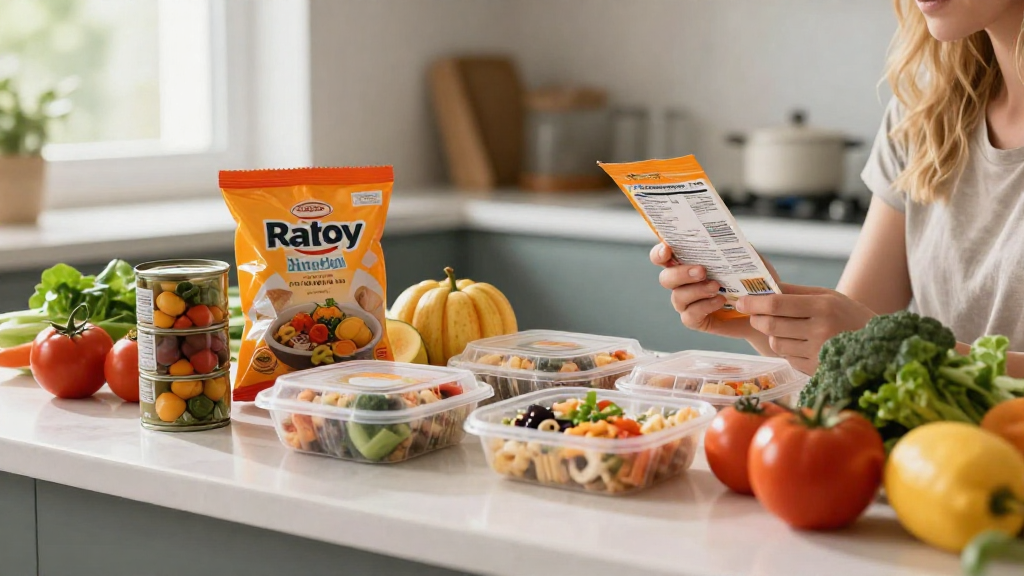
When it comes to understanding food processing pros and cons, it is essential to navigate the complexities involved. This article will dissect the advantages and disadvantages of food processing to help you make informed dietary choices.
What Are the Advantages of Food Processing?
Food processing can be a double-edged sword. However, several advantages make it appealing to consumers, retailers, and manufacturers.
- Extended Shelf Life
- One of the most significant pros of food processing is the increase in shelf life.
- Through methods like canning, freezing, and dehydrating, food retains its quality and nutritional value over time.
- This allows consumers to store foods for extended periods without spoilage.
- Convenience
- Processed foods are often pre-prepared, requiring little effort to cook or eat.
- Ready-to-eat meals, snacks, and frozen foods save time in our busy lives.
- This convenience can be especially beneficial for busy families or individuals with hectic schedules.
- Cost-Effectiveness
- Processed foods can be more budget-friendly than their fresh counterparts.
- Bulk processing allows for mass production, leading to lower prices for consumers.
- Sales and promotions on processed goods make it easier to feed families economically.
- Enhanced Flavor and Variety
- Food processing can improve the taste and availability of various foods.
- Techniques like smoking, marinating, and seasoning elevate flavors and create exciting options.
- Consumers have more choices, from flavored nuts to pre-seasoned meats.
- Nutritional Fortification
- Some processed foods are fortified with vitamins and minerals.
- This is particularly critical for populations lacking essential nutrients, like children and the elderly.
- Examples include fortified cereals and dairy products.
What Are the Disadvantages of Food Processing?
While examining food processing pros and cons, it is equally crucial to consider the potential downsides.
- Loss of Nutritional Value
- During processing, some nutrients may be lost or reduced, particularly in fruits and vegetables.
- High heat and lengthy storage can diminish vitamins and minerals that are naturally present.
- While fortification can help, it isn’t always a perfect replacement for natural nutrients.
- High in Additives
- Many processed foods contain preservatives, sugars, and fats to enhance flavor and prolong shelf life.
- These additives can contribute to health issues such as obesity, diabetes, and heart disease.
- Reading labels becomes essential to avoiding unhealthy ingredients.
- Environmental Impact
- Food processing often involves extensive packaging and transportation, causing environmental degradation.
- Non-biodegradable materials, such as plastics, can contribute significantly to pollution.
- Transportation boosts carbon footprints through the use of fossil fuels.
- Dependency on Processed Foods
- Increasing reliance on processed options can lead to a decrease in preparing fresh meals.
- This lifestyle may foster unhealthy eating habits and a lack of cooking skills.
- Over time, individuals may find themselves consuming fewer whole foods.
- Potential Health Risks
- Some studies correlate heavily processed foods with various health issues.
- Certain chemicals and additives in processed foods may lead to potential long-term health risks.
- Fostering a balanced diet with minimal processed foods is advisable.
How Does Food Processing Affect Our Health?
When assessing food processing pros and cons, health implications are a crucial area of focus.
Short-Term Health Effects
- Processed foods can provide quick energy and ease of use.
- They often contain added sugars and fats, which can cause spikes in energy levels followed by crashes.
Long-Term Health Effects
- Chronic Health Issues: Regular consumption of processed foods can lead to obesity, heart disease, diabetes, and other chronic conditions.
- Nutritional Deficiencies: Relying heavily on processed foods can lead to an overall lack of essential nutrients, impacting physical and mental well-being.
What Alternatives Exist to Processed Foods?
If you are concerned about the food processing pros and cons, consider these alternatives:
- Fresh Foods
- Opt for whole fruits, vegetables, grains, and proteins.
- These often pack the most nutrients and are free from additives.
- Frozen Foods
- Frozen fruits and vegetables can be nutritious alternatives to processed varieties.
- They are often frozen at peak freshness, preserving their nutritional value with fewer additives.
- Minimal Processing
- Look for less processed options, such as whole grains or lightly packaged foods.
- These often contain fewer additives and maintain more of their original nutrients.
- Meal Prep
- Preparing meals at home allows for better control of ingredients and nutrition.
- You can enjoy the convenience of “processed” meals without compromising quality.
Conclusion: Should We Embrace or Avoid Food Processing?
The food processing pros and cons reflect an ongoing debate about the best way to approach food consumption.
While food processing has its benefits in terms of convenience, affordability, and even nutritional fortification, it also has notable drawbacks in terms of health and sustainability.
Being informed and intentional about your food choices can help you navigate this complex landscape.
Remember, a balanced diet rich in whole foods may offer the best path toward optimizing health while enjoying the convenience of modern food technology!
By weighing the pros and cons carefully, you can find the best balance that fits your lifestyle and nutritional needs.