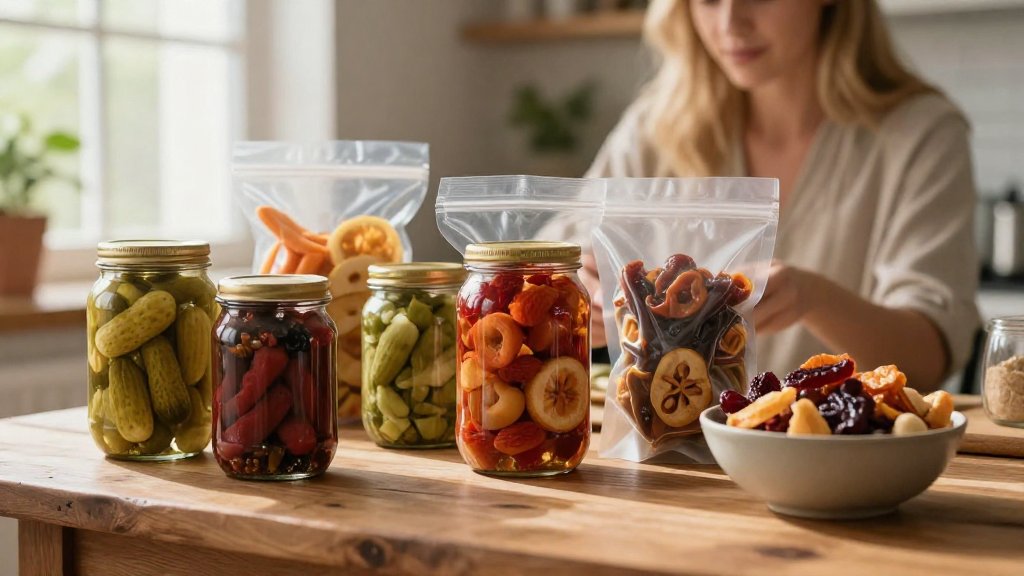
Food preservation methods play a crucial role in extending the shelf life of our favorite foods while maintaining their flavor, texture, and nutritional value.
In this article, we will explore various food preservation methods and examine their effectiveness.
What Are Food Preservation Methods?
Food preservation methods are techniques used to prevent food spoilage and waste.
These methods can help protect food from bacteria, molds, and yeasts that can lead to degradation.
Here are some of the most common food preservation methods you might encounter:
- Canning
- Freezing
- Drying
- Pickling
- Fermentation
- Vacuum Sealing
Now, let’s delve deeper into each of these methods to discover which ones are most effective.
How Does Canning Work?
Canning is a popular method for preserving fruits, vegetables, and meats.
In this process, food is placed in jars or cans and heated to kill bacteria and enzymes that cause spoilage.
Advantages of Canning:
- Long Shelf Life: Canned foods can last for years if sealed properly.
- Nutrient Retention: When done correctly, canning preserves most of the food’s nutritional value.
- Convenient Storage: Canned goods are easy to stack and store.
Disadvantages of Canning:
- Nutrient Loss: Some nutrients, particularly water-soluble vitamins, can decrease during the canning process.
- Use of Chemicals: Some commercial canning methods involve preservatives that might not be appealing to everyone.
Overall, canning is highly effective, especially for shelf-stable foods.
What About Freezing?
Freezing is another popular method of food preservation that works by slowing down the movement of molecules, thereby preventing spoilage.
Advantages of Freezing:
- Retention of Quality: Freezing maintains the food’s taste, texture, and nutrients effectively.
- Versatile: Almost all food items can be frozen, allowing for a wide variety of options.
- Quick Process: The freezing process is quick and straightforward.
Disadvantages of Freezing:
- Freezer Burn: Improper packaging can lead to freezer burn, which affects the food quality.
- Energy Dependence: It requires a constant power supply, which can be a concern during outages.
In conclusion, freezing is one of the most effective food preservation methods for home cooks.
Is Drying Effective?
Drying is one of the oldest methods of food preservation, using low heat and airflow to remove moisture from foods.
This method can be done naturally by the sun or artificially through dehydrators and ovens.
Advantages of Drying:
- Lightweight and Compact: Dried foods are easy to carry, making them perfect for camping and travel.
- Long Shelf Life: Properly dried foods can last for months or even years.
- Concentrated Nutrients: Dried foods are often rich in flavor and nutrients.
Disadvantages of Drying:
- Potential Texture Changes: Some foods can become tough or chewy when dried.
- Loss of Some Nutrients: Certain vitamins can be lost during the drying process.
Overall, drying is highly effective for many fruits, vegetables, and herbs.
How Does Pickling Work?
Pickling involves soaking foods in acidic solutions such as vinegar or fermenting them in brine.
This method not only preserves food but also enhances its flavor.
Advantages of Pickling:
- Unique Taste: Pickled foods offer a tangy flavor that many enjoy.
- Probiotic Benefits: Fermented pickles can be a source of beneficial bacteria.
- Long Shelf Life: Properly pickled foods can last for several months.
Disadvantages of Pickling:
- High Sodium Content: Many pickling processes require high salt levels, which can be unhealthy.
- Taste Preferences: Not everyone enjoys the flavor profile of pickled foods.
In general, pickling is a great method for adding flavor while preserving foods effectively.
Is Fermentation Worth It?
Fermentation is another time-honored method of food preservation involving the conversion of sugars to acids or alcohol using microorganisms.
Common fermented foods include yogurt, sauerkraut, and kimchi.
Advantages of Fermentation:
- Health Benefits: Fermented foods can enhance gut health and digestion.
- Unique Flavors: The fermentation process adds complex flavors to foods.
- Preservation and Probiotics: This method not only preserves but also enriches food with beneficial bacteria.
Disadvantages of Fermentation:
- Time-Intensive: Fermentation can take several days or weeks, depending on the food.
- Unpredictable Results: The outcome can vary based on factors like temperature and ingredients used.
Overall, fermentation is a highly effective method, particularly for promoting health and adding flavor.
Can Vacuum Sealing Help?
Vacuum sealing is a modern method that removes air from packaging before sealing.
This reduces oxidation and prolongs the freshness of various foods.
Advantages of Vacuum Sealing:
- Extended Freshness: Vacuum-sealed foods can last significantly longer than their non-sealed counterparts.
- Space Efficient: The packaging minimizes the overall storage space needed for foods.
- Prevents Freezer Burn: Proper vacuum sealing can protect foods from freezer burn effectively.
Disadvantages of Vacuum Sealing:
- Initial Investment: Purchasing a vacuum sealer can be costly.
- Not Suitable for All Foods: Foods that are porous or contain liquid might not seal properly.
Vacuum sealing is certainly one of the most effective food preservation methods for maintaining freshness.
What Should You Choose?
The effectiveness of food preservation methods often depends on the type of food and your specific needs.
Here’s a quick guide to help you decide:
- For Long-Term Storage: Canning or freezing are excellent choices.
- For Flavor Enhancement: Consider pickling or fermentation.
- For Convenience: Vacuum sealing can work wonders for quick meals.
Ultimately, choosing the right method involves considering various factors such as food type, nutritional value, flavor, and your personal preferences.
Conclusion
In conclusion, the most effective food preservation methods depend on your specific needs and the type of food being preserved.
Canning, freezing, drying, pickling, fermentation, and vacuum sealing all offer unique advantages and disadvantages.
By understanding the different food preservation methods, you can enjoy your food for longer periods without sacrificing quality.
So, whether you’re a home cook or a professional chef, the right preservation method can make all the difference!